 Exclusive sponsor
The Case Against Johns Creek’s New Town Center — and Why It Isn’t So Simple
Johns Creek’s planned Town Center draws mixed reactions over its design and regional impact. The project aims to create a purposeful civic space in a city without a historic core, despite concerns about costs and identity.
Major local stories and useful updates, once a week.
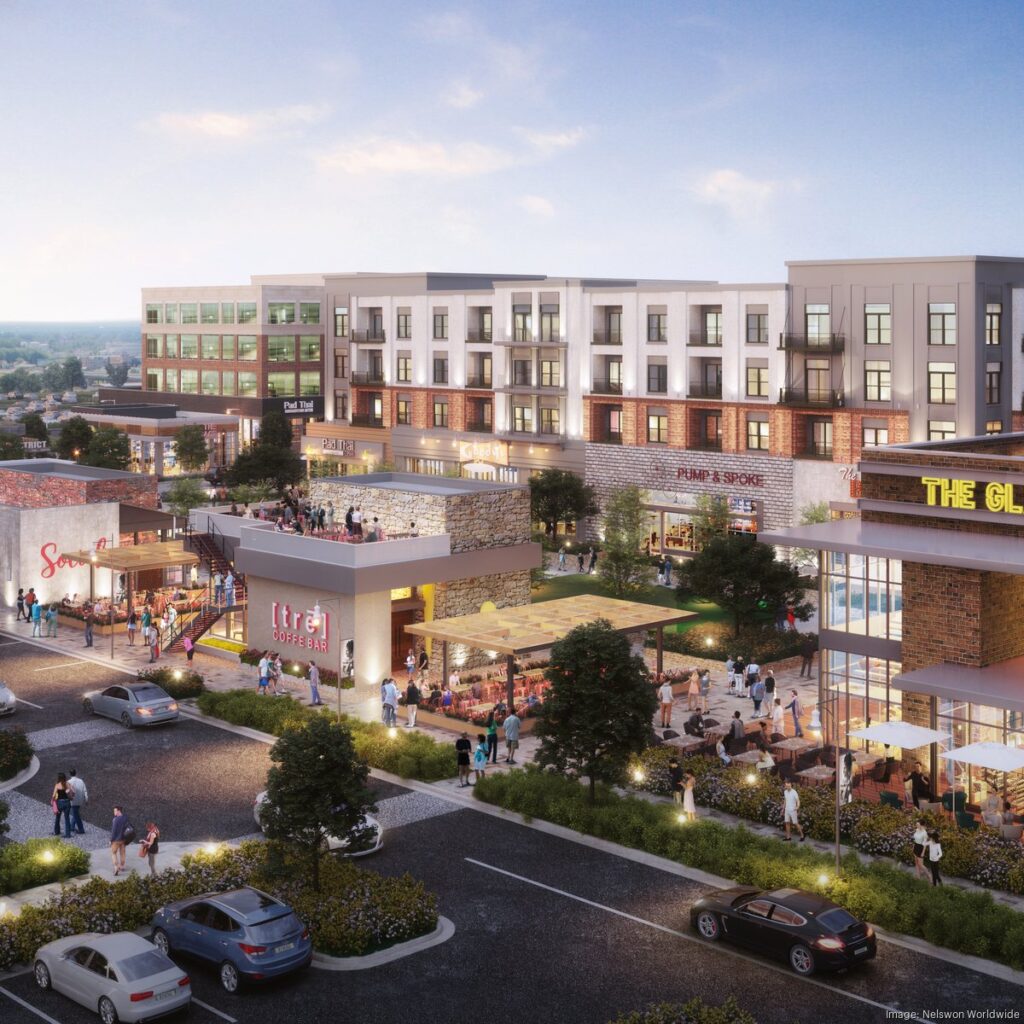
Few development proposals in Johns Creek have triggered as much unease as the city’s long-planned Town Center, anchored by the Medley project. Critics have raised familiar concerns: the development feels artificial, too similar to Avalon, and unrooted in local identity. Others ask a more pointed question—why should Johns Creek residents pay for a project that people from Forsyth, Gwinnett, and Alpharetta will inevitably use just as much, if not more?
These objections are not fringe complaints. They are thoughtful, practical, and worth addressing directly. But they also rest on assumptions that deserve closer examination.
Objection 1: The Town Center Is Artificial
The most common critique is aesthetic and philosophical. Medley looks planned. Designed. Polished. To some, it feels like something generated by a computer rather than grown from a place.
This is true—and also unavoidable.
Johns Creek did not inherit a historic downtown. There was no Main Street to preserve, no central square that slowly accumulated meaning over generations. The city incorporated in 2006, long after development patterns in North Metro Atlanta had already been set by highways, subdivisions, and office parks. Johns Creek grew outward, not inward.
In that context, any attempt to create a center will feel artificial, because it is intentional. But intention is not the same as emptiness. Lake Lanier is artificial. County lines are artificial. Even the concept of a “city center” in a postwar suburban landscape is artificial. Yet these constructs still shape real lives and real communities.
The alternative to “artificial” is not “organic” here—it is nothing at all. No shared civic space. No walkable core. No place designed to hold everyday public life.
Objection 2: It Looks Too Much Like Avalon
Another common complaint is that Medley feels like a copy of Avalon in Alpharetta. This concern is less about architecture and more about fear of redundancy. If nearby cities already have thriving mixed-use districts, why build another?
The answer lies in proximity and function.
Avalon is a destination. It was designed as a regional draw, intentionally positioned near GA-400 with tourism, hotels, and high-end retail. Johns Creek’s Town Center, by contrast, is smaller, more internally focused, and located at the city’s northern edge. It is not meant to replace Avalon or compete with it directly. It is meant to give Johns Creek something it has never had: a definable civic anchor.
Whether Medley ultimately succeeds as an everyday place rather than a special-occasion one will depend on tenant mix, pricing, and programming—not on whether it resembles Avalon at first glance. Many successful town centers initially look similar because they solve similar design problems. What differentiates them is how they are used over time.
Objection 3: Why Should Johns Creek Pay When Others Will Enjoy It?
This is perhaps the most emotionally charged argument, and the most understandable.
The Town Center sits near the Forsyth County border. Residents from south Forsyth and nearby Gwinnett neighborhoods will undoubtedly use it. So why should Fulton County—and Johns Creek residents specifically—fund a project whose benefits spill outward?
The answer is that spillover is not a flaw of this project. It is a feature of the region.
North Metro Atlanta already functions as a single, blended area. Daily life ignores city lines. People live in one county, work in another, shop in a third, and send their children to schools that draw from overlapping zones. This has been true for decades.
Public investments always work this way. Alpharetta’s Avalon is used heavily by Johns Creek residents. Parks in Gwinnett serve Forsyth families. Roads, libraries, and cultural spaces are rarely enjoyed exclusively by the taxpayers who fund them.
What’s often overlooked is that the costs of development also spill over. Increased traffic, housing demand, and school pressure are likely to be felt first in south Forsyth and nearby Gwinnett—simply because of geography—even though Johns Creek bears the tax burden. In that sense, Johns Creek residents are not uniquely subsidizing outsiders. They are participating in the same regional exchange that already exists.
Objection 4: It Threatens Johns Creek’s Identity
Some fear that building a town center near the city’s edge undermines Johns Creek’s identity rather than strengthening it. If the center does not feel distinctly “Johns Creek,” what does it really represent?
This concern assumes that identity must be inherited to be legitimate. But identity can also be constructed—carefully, gradually, and with intention.
Johns Creek’s identity has long been defined by quality of life rather than geography: strong schools, residential stability, safety, and access. A town center does not erase that identity. It tests whether the city can add a shared public dimension to it.
The real risk is not artificiality. It is monotony. If the Town Center becomes just another polished retail cluster with no reason for residents to return regularly, the criticism will be justified. But that outcome is not predetermined by design. It is shaped by policy, curation, and long-term stewardship.
A Project Worth Debating — Not Dismissing
The Johns Creek Town Center is not above criticism. Questions about scale, funding, public safety, schools, and economic sustainability are necessary and healthy. But dismissing the project as artificial or unfair avoids the harder truth: this region is already artificial, already blended, already shared.
The real question is not whether Medley looks planned. It is whether Johns Creek chooses to shape its future deliberately—or leave its civic life to remain accidental.
In a place without a historic core, intentionality is not a weakness. It is the only option.
Community Voice
A snapshot of reader views, not a scientific survey.
Explore Community Voice →About the Author


In North Atlanta

Dervish Plans 200-Seat Turkish Restaurant in Johns Creek

Johns Creek Native to Lead Medley’s Concierge Team Ahead of October Opening
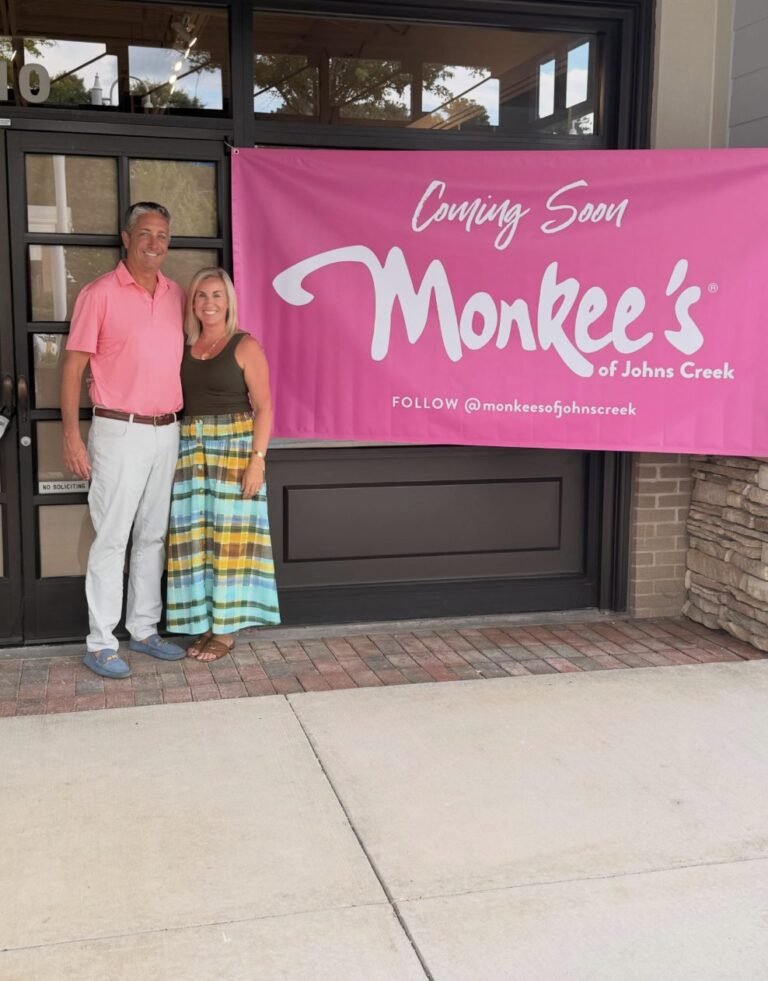
Monkee’s Is Opening in Johns Creek With a Three-Day Celebration

The Brunch Spot Sets Sept. 2 Grand Opening in Johns Creek
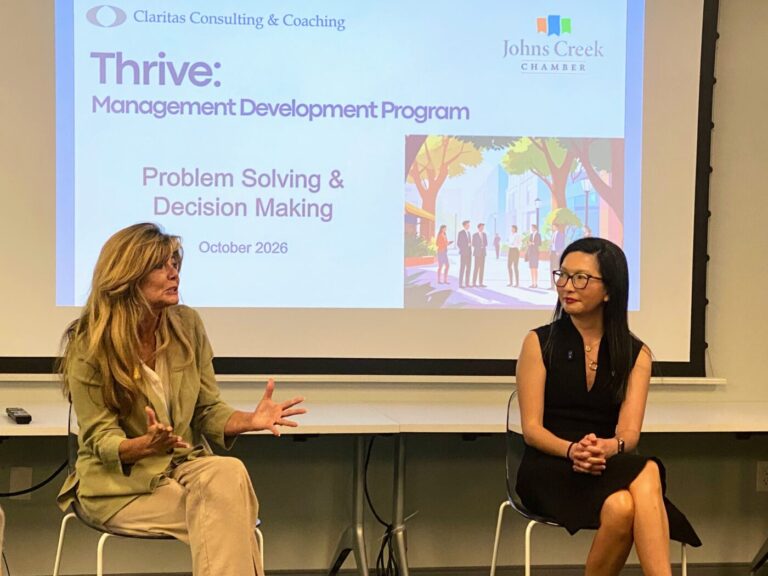
Au and Thorne discuss lawsuit reform, jail spending and political compromise in Johns Creek

Johns Creek, Roswell and Milton Restaurants Make OpenTable’s Diners’ Choice List
IN NORTH ATLANTA