 Exclusive sponsor
How Property Taxes Work in Forsyth County (2026 Guide for Homeowners)
Major local stories and useful updates, once a week.
Property taxes are one of the most common sources of confusion for homeowners and buyers moving to North Atlanta. In Forsyth County—one of Georgia’s fastest-growing counties—understanding how property taxes are calculated can help you plan better, avoid surprises, and make smarter housing decisions.
This guide explains how Forsyth County property taxes work in 2026, how bills are calculated, when payments are due, and what homeowners in Cumming and surrounding areas should watch for.
What Property Taxes Pay For in Forsyth County
Property taxes fund local public services. In Forsyth County, these typically include:
- Public schools (Forsyth County Schools)
- Police, fire, and emergency services
- Roads, parks, and libraries
- County administration and infrastructure
Your tax bill is not a single charge—it’s a combination of county, school, and sometimes city taxes.
Who Sets Property Values?
Property values are assessed by the Forsyth County Board of Assessors, not by real estate agents or lenders.
Each property is assigned a fair market value, based on factors such as:
- Recent home sales in your area
- Property size, condition, and features
- Location and neighborhood trends
Georgia law requires reassessments annually, though not every home’s value changes every year.
Assessed Value vs. Market Value (The 40% Rule)
Georgia uses a standardized formula:
- Assessed Value = 40% of Fair Market Value
For example:
If your home’s market value is $500,000 → assessed value is $200,000.
This assessed value is what local millage rates are applied to.
What Is a Millage Rate?
A millage rate is the tax rate used by local governments.
- One mill = $1 in tax per $1,000 of assessed value
Your total tax bill is calculated by adding together millage rates from:
- Forsyth County government
- Forsyth County Schools
- City taxes (if you live within city limits, such as Cumming)
Millage rates are approved annually and can change year to year.
Why School Taxes Are the Largest Portion
For most homeowners, school taxes make up the biggest share of the property tax bill.
Even residents without children contribute to school funding, which helps explain why Forsyth County taxes may be higher than in some neighboring counties—high-performing schools require sustained funding.
Homestead Exemptions: The Most Important Tax Break
If the home is your primary residence, you should apply for a homestead exemption.
Benefits include:
- Lower taxable value
- Protection from sharp assessment increases (depending on exemption type)
Forsyth County offers several exemptions, including:
- Basic homestead exemption
- Senior exemptions
- Disability-related exemptions
You must apply—it is not automatic.
Forsyth County Property Tax Example
Home market value: $550,000
Step 1 – Apply Georgia’s 40% assessment rule
$550,000 × 40% = $220,000 (assessed value)
Step 2 – Apply typical Forsyth County millage rates
Assume a combined county + school millage rate of 24 mills
(24 mills = $24 per $1,000 of assessed value)
Step 3 – Calculate the annual tax
$220,000 ÷ 1,000 = 220
220 × $24 = $5,280 per year
If the home qualifies for a homestead exemption
Assume a $30,000 exemption:
$220,000 − $30,000 = $190,000 taxable value
$190,000 ÷ 1,000 = 190
190 × $24 = $4,560 per year
What this shows
Homestead exemptions can reduce the bill by hundreds of dollars each year
You are not taxed on the full $550,000
The tax is based on 40% of the value
When Are Property Tax Bills Due?
In Forsyth County:
- Tax bills are typically mailed in late summer or early fall
- Payment is usually due by October 15
Late payments may result in penalties or interest, so it’s important to watch for the notice.
What Happens If Your Home Value Jumps?
Rapid growth in North Atlanta has caused noticeable value increases in some neighborhoods.
If you believe your assessment is too high, you can:
- File an appeal during the official appeal window
- Provide comparable sales or documentation
- Request a review or hearing
Many homeowners successfully reduce their assessed value by appealing, especially after unusually strong market years.
Buying a Home Mid-Year: How Taxes Are Handled
If you purchase a home mid-year:
- Property taxes are typically prorated at closing
- Your first full tax bill will arrive the following year
- Homestead exemptions must be applied for after purchase
This is especially relevant for buyers relocating from lower-tax counties or from out of state.
City vs. Unincorporated Forsyth County
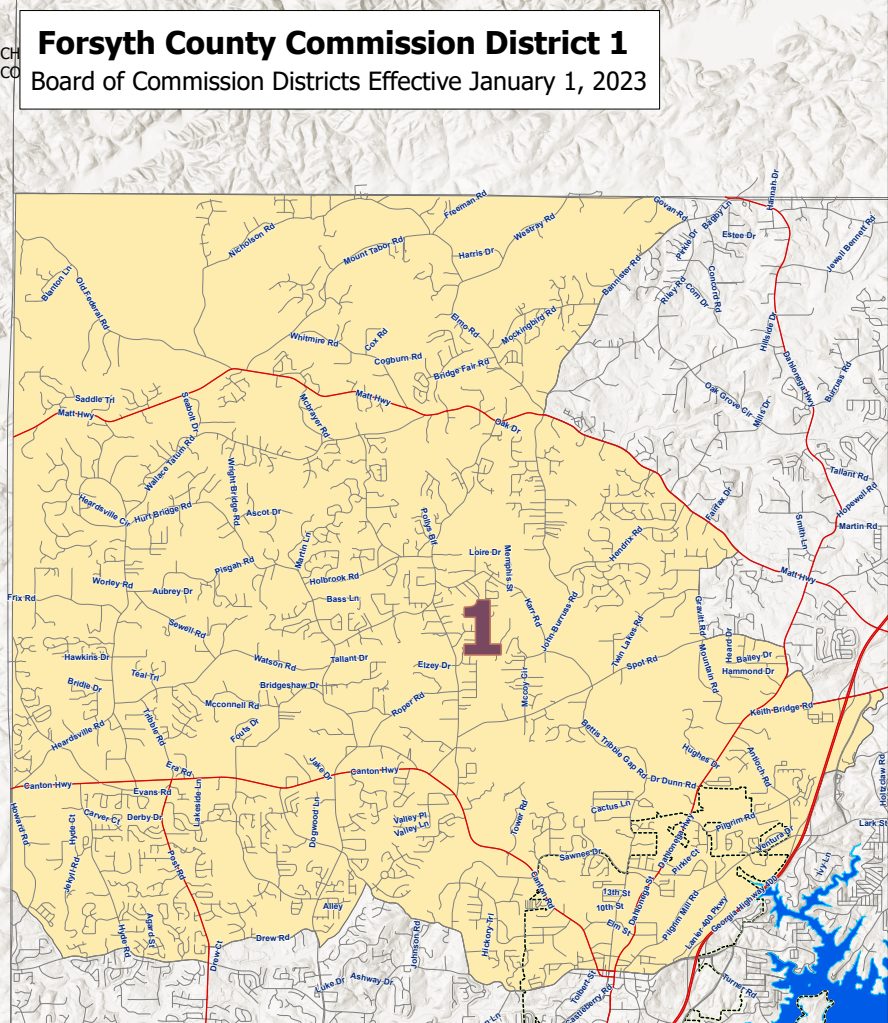
Not all Forsyth County residents pay the same taxes.
- Homes inside the City of Cumming pay city taxes in addition to county and school taxes
- Homes in unincorporated areas pay county and school taxes only
This difference can be meaningful when comparing otherwise similar homes.
Planning Ahead as a Homeowner
To avoid surprises:
- Check assessed values annually
- Apply for exemptions as soon as eligible
- Budget for gradual increases rather than flat bills
- Understand that new construction often triggers reassessment
Property taxes are a long-term cost of ownership, not a one-time fee.
Why This Matters for North Atlanta Residents
Forsyth County’s growth, schools, and infrastructure continue to attract new residents. Knowing how property taxes work helps you evaluate affordability more accurately—especially when comparing homes across Cumming, Alpharetta, and nearby areas.
Comparing Counties?
Property taxes can vary significantly across North Atlanta. If you’re choosing between Forsyth, Fulton, and Gwinnett counties, see our full Forsyth vs. Fulton vs. Gwinnett property tax comparison.
Get a free Forsyth County property tax estimate
Property taxes in Forsyth County can vary by city limits, school district, and available exemptions. If you’re buying, owning, or investing, we can estimate a realistic tax range for the area you’re considering.
- No pressure, local insight
- Helpful for buyers, homeowners, and investors
- Clear expectations before you commit
Estimates are informational and not an official tax bill.


Community Voice
A snapshot of reader views, not a scientific survey.
Explore Community Voice →About the Author


In North Atlanta
More homes are for sale in Forsyth County, and buyers are taking their time

YAVA Kitchen and Brewhouse Sets Oct. 5 Return in Cumming

When Are 2026 Property Taxes Due in North Atlanta?
What North Atlanta Should Know Today. Thursday, Aug. 13, 2026

How Forsyth County Spent Tax Dollars in 2025
Most Homes Sold Below Asking in Cumming, Johns Creek and Alpharetta
IN NORTH ATLANTA