 Exclusive sponsor
Kroger vs Publix vs Aldi vs Walmart Neighborhood Market: Which Grocery Store Saves You the Most in North Atlanta?
Major local stories and useful updates, once a week.
Most North Atlanta residents don’t drive farther just because a grocery store feels bigger or newer. They shop close to home, and the real question is simpler:
Where do I save the most money without sacrificing quality?
In Alpharetta, Johns Creek, Cumming, Roswell, Duluth, and Suwanee, a handful of grocery chains dominate daily life. Each one positions itself differently—on price, quality, convenience, or experience. This guide compares the major grocery chains North Atlanta shoppers actually use, focusing on real-world savings, not marketing slogans.
The Big Picture: How Grocery Chains Compete
Before diving store by store, it helps to understand the strategy behind each chain:
- Some stores win on low shelf prices
- Others rely on sales, loyalty programs, and coupons
- A few trade selection and service for maximum savings
- Some charge more—but offer consistency and comfort
Here’s how that plays out locally.
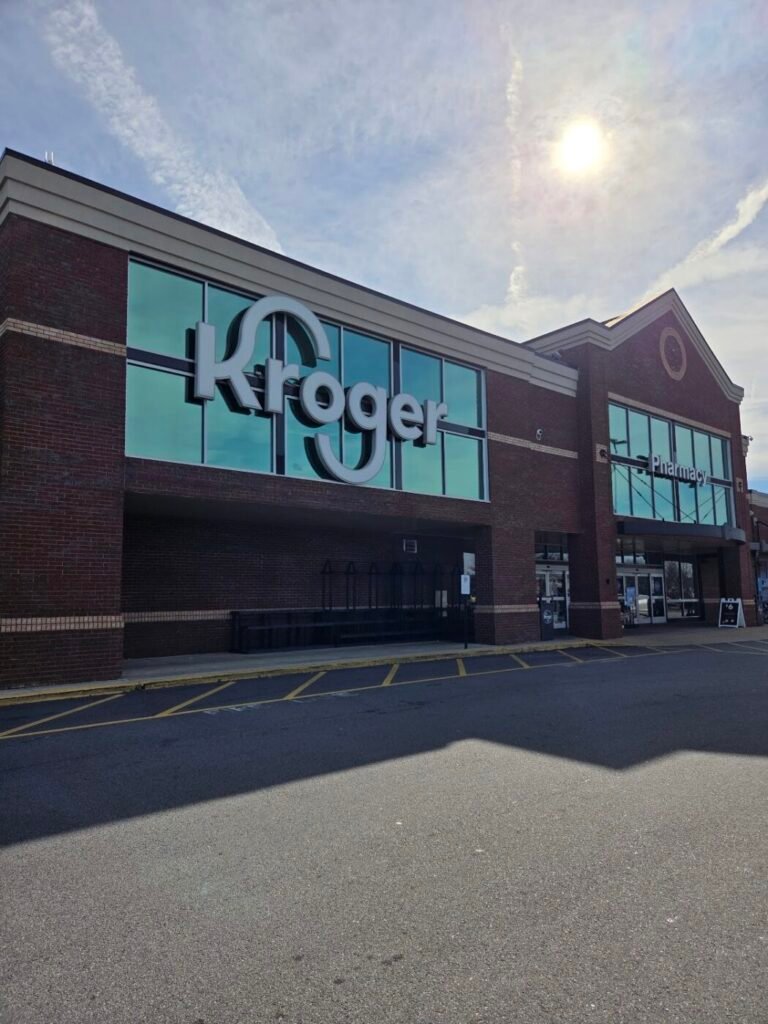
Kroger: Best Overall Balance of Price and Selection
Kroger
Best for: Households trying to keep costs down without switching stores
Weak spot: Full price (without sales or digital coupons)
Kroger sits in the middle of the North Atlanta grocery ecosystem—and that’s its strength.
Why Kroger saves money
- Frequent weekly sales on staples
- Strong digital coupons through the app
- Private-label brands like Simple Truth and Private Selection
- Fuel points (small but real savings over time)
A shopper who:
- Uses the Kroger app
- Shops weekly sales
- Buys store brands
…will usually spend less than at Publix, and not much more than Walmart.
When Kroger is not cheapest
- If you shop without using the app
- If you buy mostly name brands at full price
- If you make small, last-minute trips
Bottom line: Kroger rewards organized shoppers. If you plan even a little, it’s one of the best values in North Atlanta.
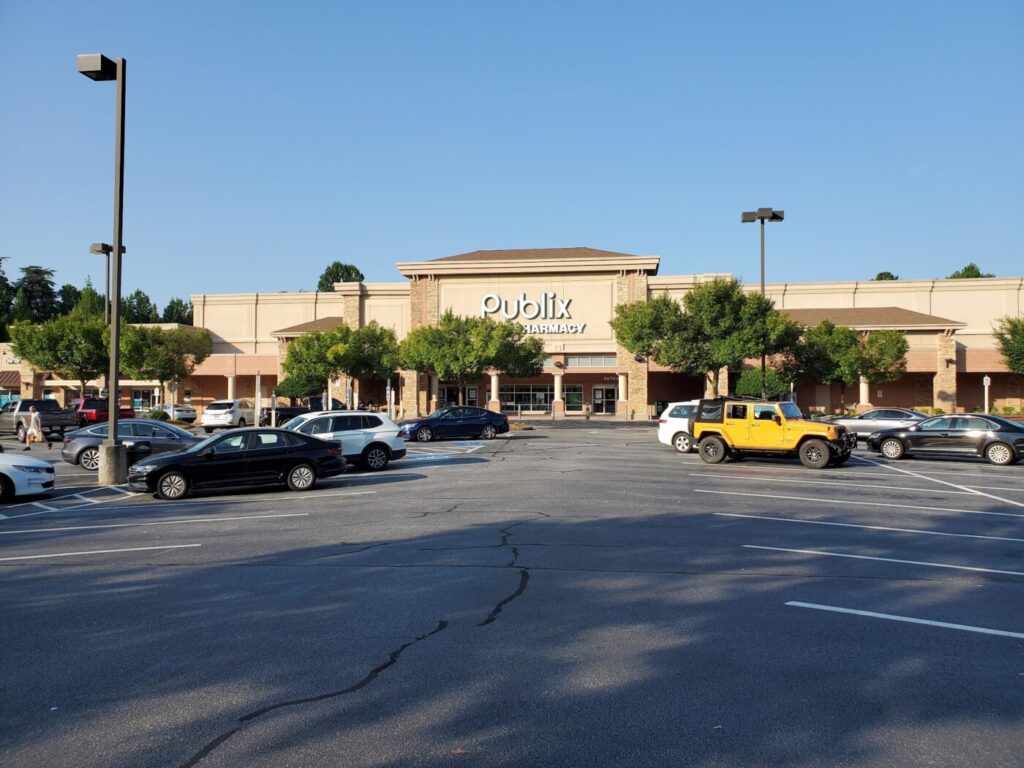
Publix: Clean, Comfortable — and More Expensive
Publix
Best for: Shoppers who value experience and consistency
Weak spot: Everyday prices
Publix is beloved across Georgia—but rarely for its prices.
Why Publix costs more
- Higher everyday shelf prices
- Fewer aggressive store-brand discounts
- Limited digital coupon impact compared to Kroger
Publix shines in:
- Clean, calm stores
- Friendly staff
- Reliable prepared foods
- Easy in-and-out shopping
How people save at Publix
- Strictly shopping BOGO deals
- Avoiding full-price name brands
- Treating Publix as a secondary store
Bottom line: Publix is the most pleasant shopping experience—but not the cheapest. Many North Atlanta families shop Publix selectively, not exclusively.
Walmart Neighborhood Market: Lowest Prices on Staples
Walmart Neighborhood Market
Best for: Price-first shoppers
Weak spot: Produce consistency, store experience
Walmart Neighborhood Market stores (not Supercenters) are common in North Atlanta suburbs—and they win on raw pricing.
Where Walmart saves you money
- Milk, eggs, bread, cereal
- Pantry staples
- Household essentials
- National brands at lower prices
Where it falls short
- Produce quality varies by location
- Smaller organic and specialty selection
- In-store experience is utilitarian
Bottom line: If your priority is the lowest receipt total, Walmart Neighborhood Market usually wins—but many shoppers pair it with another store for produce and fresh items.
Aldi: Cheapest Overall — With Tradeoffs
Aldi
Best for: Maximum savings, minimal browsing
Weak spot: Limited selection
Aldi is often the cheapest grocery option in North Atlanta, but it requires a mindset shift.
Why Aldi is so cheap
- Mostly private-label products
- Limited SKUs
- No-frills stores
- Small footprint
You’ll save the most on:
- Produce
- Dairy
- Snacks
- Frozen foods
- Basic pantry items
Why some people avoid Aldi
- Limited brand choice
- No deli, bakery, or specialty counters
- Inconsistent weekly finds
Bottom line: Aldi is unbeatable for cost—but most families still need a second store for everything else.
Lidl: Aldi’s Bigger, Slightly More Flexible Cousin
Lidl
Best for: Savings + better store experience
Weak spot: Still limited compared to Kroger or Publix
Lidl is newer to North Atlanta but growing.
Compared to Aldi:
- Slightly wider selection
- In-store bakery
- Better produce presentation
- Still very competitive prices
Compared to Kroger:
- Cheaper on many basics
- Fewer national brands
- Less variety overall
Bottom line: Lidl offers a strong compromise between price and comfort, especially for shoppers who find Aldi too barebones.
Sample Grocery Basket: Real-World Price Comparison (North Atlanta)
To understand where savings actually come from, here’s a common weekly grocery basket for a small household. This is not a “sale-only” scenario—just regular shopping using store brands when reasonable.
Sample Basket (10 Everyday Items)
- 1 gallon milk
- 1 dozen eggs
- Chicken breast (2 lb)
- Bananas (2 lb)
- Apples (3 lb)
- Bread (store brand)
- Pasta (1 lb)
- Tomato sauce (24 oz)
- Breakfast cereal
- Paper towels (6-roll pack)
Estimated Basket Total by Store
| Store | Estimated Total | What Drives the Price |
|---|---|---|
| Aldi | $34–$37 | Private labels, limited brands |
| Walmart Neighborhood Market | $36–$39 | Lowest national-brand pricing |
| Kroger | $40–$44 | Store brands + digital coupons |
| Lidl | $38–$42 | Discount pricing + bakery |
| Publix | $48–$52 | Higher everyday prices |
What This Basket Shows
1. Aldi wins on total cost—but not flexibility
Aldi is consistently the cheapest, but you’re locked into:
- One or two brand options
- No deli, butcher counter, or specialty swaps
Great for disciplined shoppers. Less ideal for picky households.
2. Walmart is cheapest for staples, not produce confidence
Walmart keeps prices low on:
- Dairy
- Pantry items
- Paper goods
But many North Atlanta shoppers still buy produce elsewhere due to quality variation.
3. Kroger becomes competitive only if you shop smart
Without coupons, Kroger is closer to Walmart than Publix—but not cheap.
With:
- Store brands
- Weekly sales
- App-based digital coupons
Kroger can drop $5–$8 off this basket, narrowing the gap significantly.
4. Publix is the outlier—by design
Publix doesn’t try to win on price. You’re paying for:
- Store environment
- Service
- Consistency
Many families shop Publix for BOGO deals only, not full baskets.
Price isn’t the only factor for many North Atlanta shoppers. Some prioritize ingredient standards, organic sourcing, or food philosophy. We break down how Sprouts, Whole Foods, and Trader Joe’s compare—and where they fit into a realistic grocery routine.
What Most North Atlanta Households Actually Do
Very few people buy everything at one store. The most common patterns:
- Aldi + Kroger → lowest cost + flexibility
- Walmart + Publix → staples cheap, fresh foods pleasant
- Kroger only → convenience with manageable costs
- Publix only → higher spend, lower stress
Distance matters far less than habit and system.
Bottom Line on Savings
If you buy this basket every week:
- Aldi vs Publix can mean $700–$900 more per year
- Kroger vs Publix can mean $400–$600 more per year
- Using Kroger’s app can cover one full grocery trip per month
Savings don’t come from driving farther—they come from choosing the right store for the right items.
Final Takeaway
- Want the lowest bill? Aldi or Walmart
- Want balance and flexibility? Kroger
- Want comfort and predictability? Publix
- Want a discount store that feels less bare? Lidl
Knowing why prices differ is what actually puts money back in your pocket.
Community Voice
A snapshot of reader views, not a scientific survey.
Explore Community Voice →About the Author


In North Atlanta

North Atlanta’s Retail Divide: Sales Range From $8,909 to $49,222 Per Resident
Atlanta gas prices ease, but a fill-up still costs nearly $14 more than last year
Best Buy Adds Seasonal Jobs Across Alpharetta, Buford and Cumming

Custom Framing Shops in Suwanee, Buford, Johns Creek and Norcross

Johns Creek, Roswell and Milton Restaurants Make OpenTable’s Diners’ Choice List

What Does “Public School” Actually Cost North Atlanta Families?
IN NORTH ATLANTA