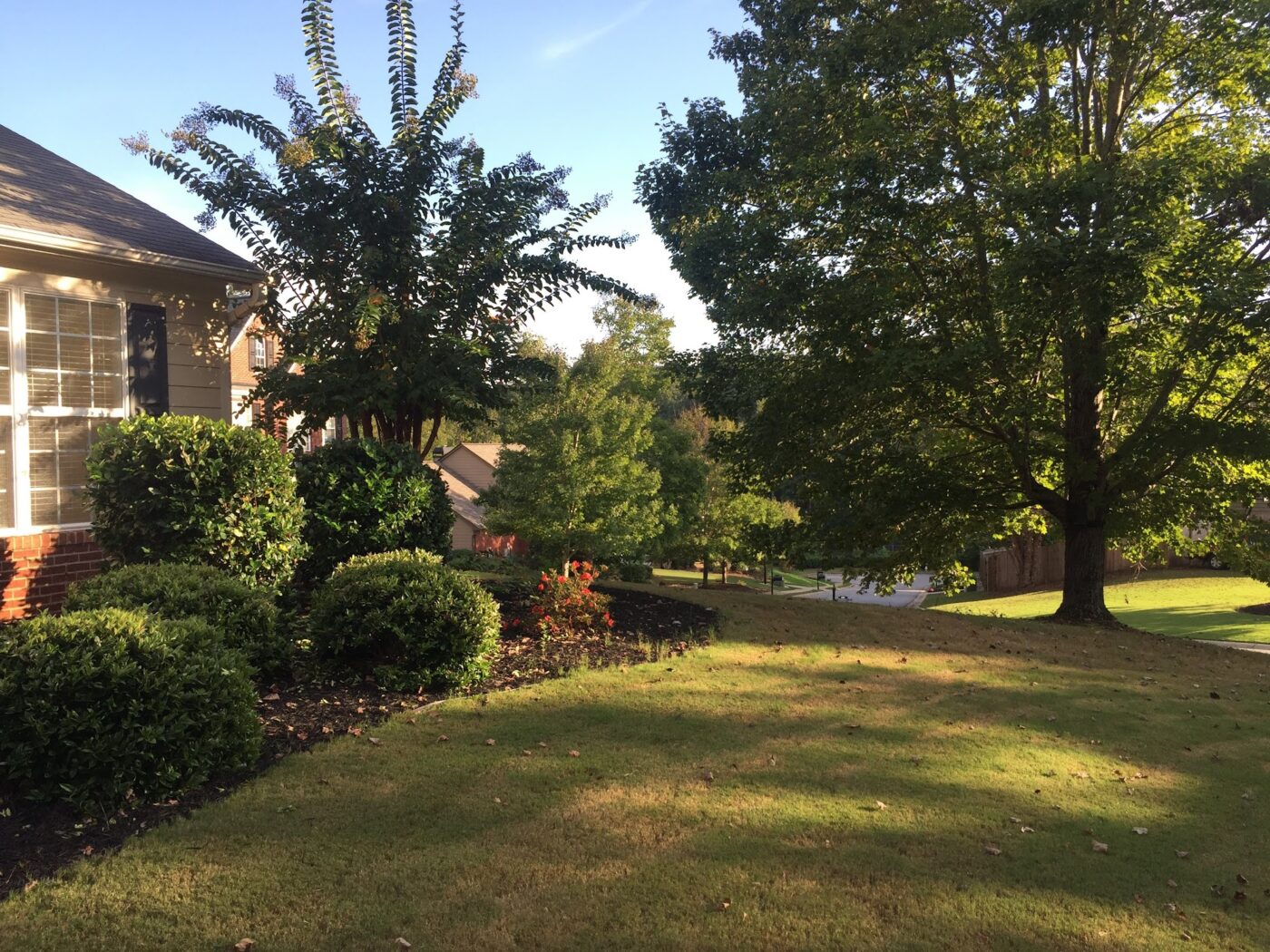
Duluth is one of North Atlanta’s most established and quietly resilient cities—defined less by rapid reinvention and more by continuity, diversity, and everyday livability. Unlike newer suburbs shaped by recent growth cycles, Duluth developed earlier as a regional crossroads, and that history still influences how the city functions today.
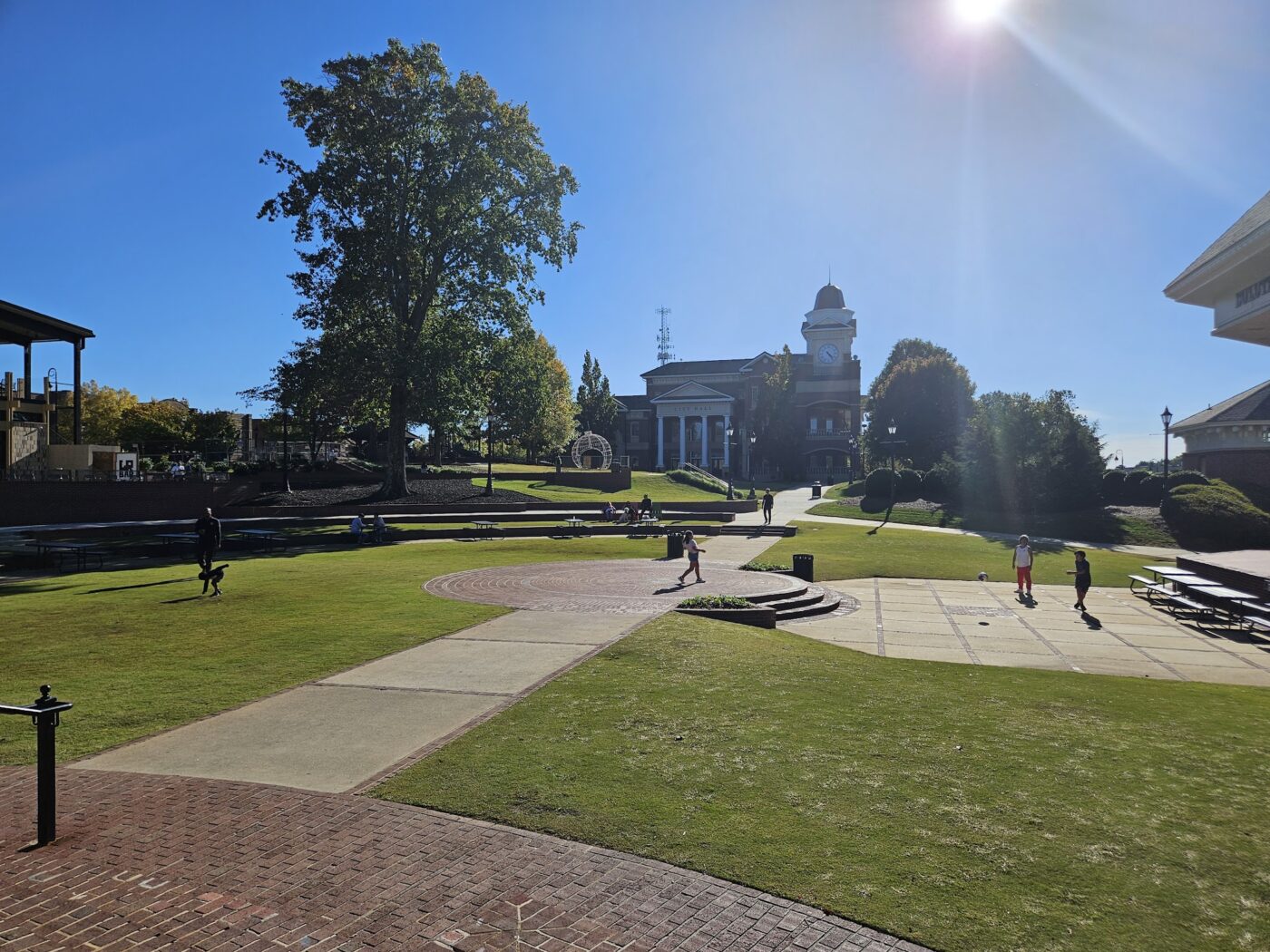
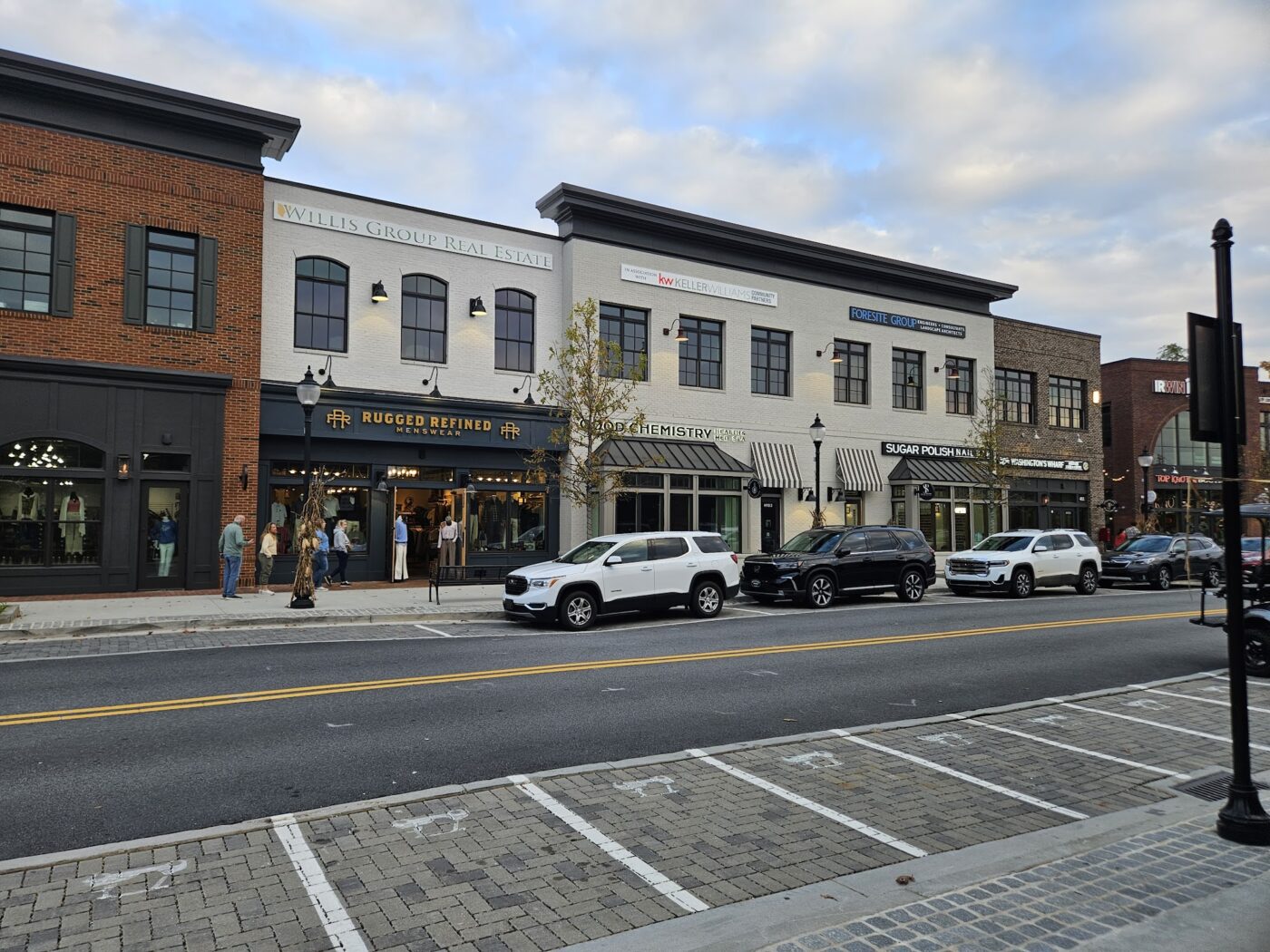
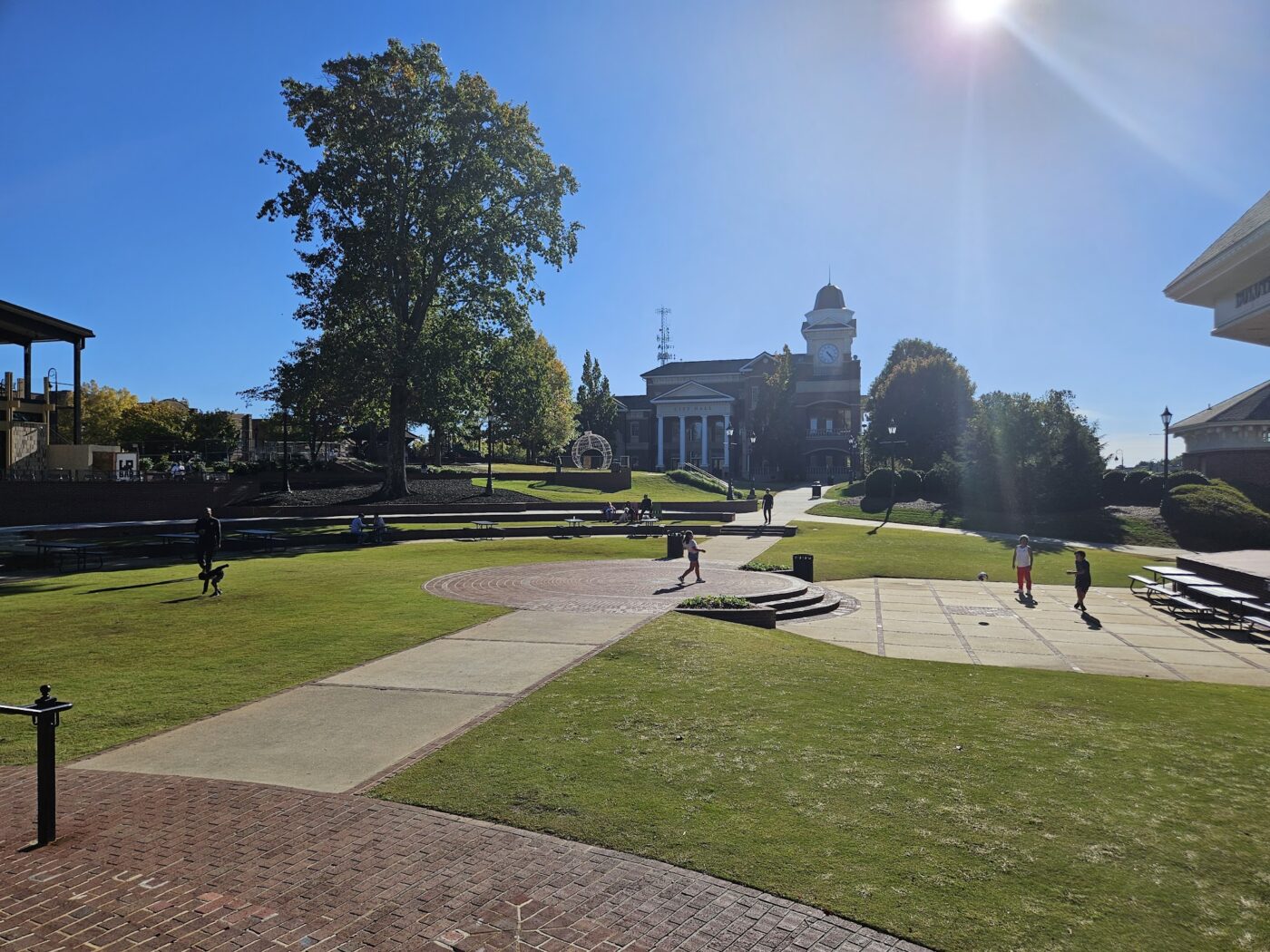
Daily life in Duluth feels practical and grounded. The city is largely car-oriented, but its historic downtown provides a genuine civic center with restaurants, festivals, and public spaces that anchor community life. Commercial activity stretches along Pleasant Hill Road and Buford Highway, creating a landscape that prioritizes access and convenience over spectacle.
Duluth attracts a broad mix of residents, including families, long-term homeowners, renters, and newcomers drawn by relative affordability and central location. Growth here has been steady rather than dramatic, with change tending to layer onto existing neighborhoods instead of reshaping them entirely.
What to Know About Duluth
Growth and Development
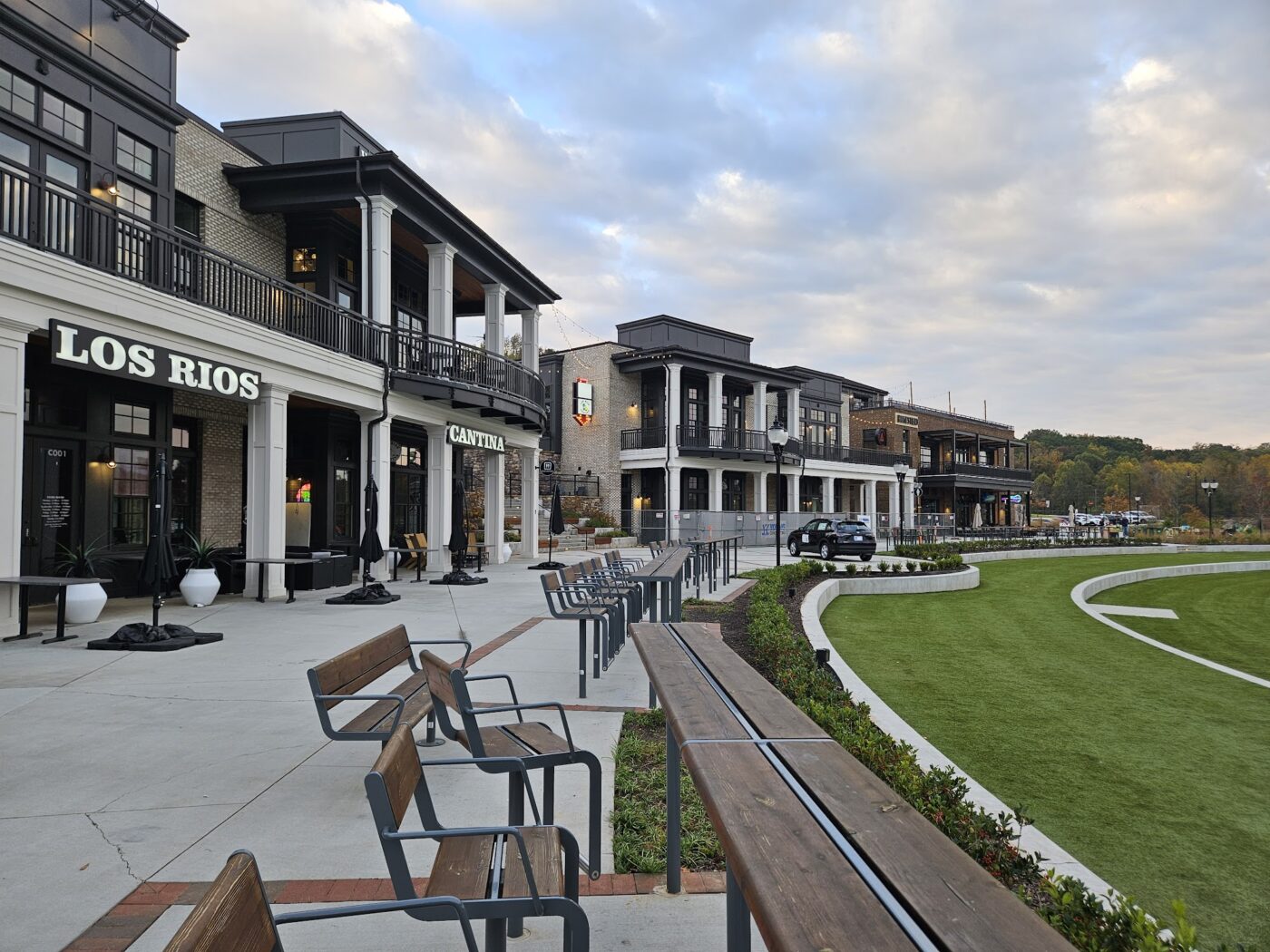
Duluth’s development pattern is measured and incremental. Rather than pursuing large-scale mixed-use destinations, the city has focused on maintaining its historic downtown while allowing residential and commercial growth to spread along established corridors. New development tends to be smaller in scale, often infill or redevelopment, reinforcing Duluth’s reputation as a stable, lived-in community rather than a destination-driven suburb.
Schools and Families
Schools are an important factor for many Duluth families, though they are part of a broader decision-making picture that includes housing value, commute access, and neighborhood stability. Duluth appeals to families looking for balance—strong educational options paired with more attainable housing prices compared to some North Fulton cities. This combination has supported consistent demand without the sharp price acceleration seen elsewhere.
Daily Life and Commute
Duluth’s location offers access to multiple employment corridors, including I-85, Peachtree Industrial Boulevard, and Buford Highway. Many residents commute toward Atlanta, Peachtree Corners, or other Gwinnett job centers. Daily routines tend to be practical and predictable, with retail, services, and dining spread across the city rather than concentrated in a single activity zone.
Housing Character
Housing in Duluth is diverse and value-oriented. The city includes established single-family neighborhoods, apartment communities, condos, and townhomes built across several decades. While large-lot or luxury housing is less common, Duluth offers flexibility across price points and household types, making it attractive to renters, first-time buyers, and long-term residents alike. This range contributes to the city’s reputation as one of North Atlanta’s more accessible housing markets.
Important Duluth Links & Numbers
A quick reference for city services, utilities, permits, and everyday help in Duluth (Gwinnett County).
City Government & Services
Permits, Planning, and Development
Public Safety & Emergency
Tip: For non-emergency phone numbers, use the official Police or Public Safety pages above (numbers can change).
Courts, County Services, and Taxes
Utilities and Everyday Essentials
Libraries, Schools, and Transit
Know a local link we should add (trash pickup, city hotlines, community resources)? Email the editor and we’ll update this list.
Featured Coverage
-

Best Ramen in Alpharetta, Johns Creek, and Nearby (2026 Guide)
Ramen in North Atlanta has become more serious over the…