This article is part of our ongoing 2026 Development Update series examining how public projects and private investment are reshaping North Atlanta.
In 2026, Duluth and Suwanee are following a familiar North Gwinnett pattern: change doesn’t arrive as one headline-grabbing project. Instead, it shows up gradually — in repaved lanes, safer intersections, extended trails, and refreshed public spaces that make everyday routines a little smoother. A new trail segment connects neighborhoods. A turn lane reduces backups at rush hour. A park pavilion gets rebuilt instead of replaced entirely. The transformation is incremental, but noticeable.
This infrastructure-first approach is reflected in how both cities — and Gwinnett County — frame their priorities. The county’s adopted 2026 budget emphasizes steady fundamentals: road maintenance, drainage improvements, utilities, and emergency response capacity. These investments may not feel dramatic, but they shape commute reliability, neighborhood safety, and long-term stability in ways residents experience daily.
Commercial growth is active as well, but it largely follows those public investments. Downtown parks and historic districts continue drawing foot traffic, while corridors near I-85 remain attractive for employers and regional destinations. Growth is real, but it is being directed — by road improvements, trail connections, and long-range planning — rather than arriving as sudden, citywide disruption.
Public Infrastructure and Road Improvements
One clear example of “planning first” is the ongoing corridor work around I‑85. Georgia Department of Transportation and Gwinnett are partnering on an I‑85 corridor study between I‑285 and I‑985, aimed at identifying projects to reduce congestion, improve traffic operations, and enhance safety along a heavily traveled stretch. This matters locally because even residents who rarely drive long distances still feel I‑85 backups in the form of spillover traffic on feeder roads like Pleasant Hill Road, Lawrenceville‑Suwanee Road, and Peachtree Industrial.
On State Route 120/Duluth Highway, the county’s SPLOST-funded pedestrian work illustrates how road projects are increasingly being packaged as mobility projects—sidewalks, curb and gutter, drainage, and turn-lane tweaks—rather than “widening only.” Gwinnett has described a sidewalk scope along SR 120/Duluth Highway between Colony Bend Drive and Riverside Parkway, including drainage work and an eastbound left-turn lane extension, funded through the 2017 SPLOST program.
At the city level, Duluth has a similar mix of corridor and intersection work embedded in its capital project tracking. In its FY26 capital projects update, Duluth describes a Main Street multi‑use/sidewalk improvement effort from Brock Road to Peachtree Industrial Boulevard as part of a 2017 SPLOST intergovernmental agreement, with the city managing the project and cost-sharing with the county. The same document also describes “Pine Needle Drive Improvements” tied to the intersection of SR 120 and Pine Needle Drive under that SPLOST agreement framework.
Peachtree Industrial Boulevard remains a defining spine for both cities—not just for driving, but increasingly for how people move on foot and by bike. In late 2024, Gwinnett opened a five-mile segment of the Western Gwinnett Pathway between Rogers Bridge Road and Suwanee Dam Road, part of the county’s Trails Master Plan and intended to ultimately connect multiple West Gwinnett cities. In Suwanee, the long-range Suwanee Loop planning explicitly calls Peachtree Industrial a major barrier to safe east–west movement and elevates a grade-separated pedestrian/bicycle crossing as a high-priority recommendation—an acknowledgement that the corridor’s traffic volumes and speeds can make “just add paint” solutions feel inadequate for families and less confident riders.
For day-to-day driving, smaller intersection projects can matter as much as major corridor studies. Gwinnett has approved SPLOST-funded work to realign and signalize the intersection of Suwanee Dam Road at Riverside Road, including left-turn lanes, sidewalks, and curb and gutter—exactly the kind of project that tends to change how residents pick routes during peak hours.
Downtown and City-Led Projects
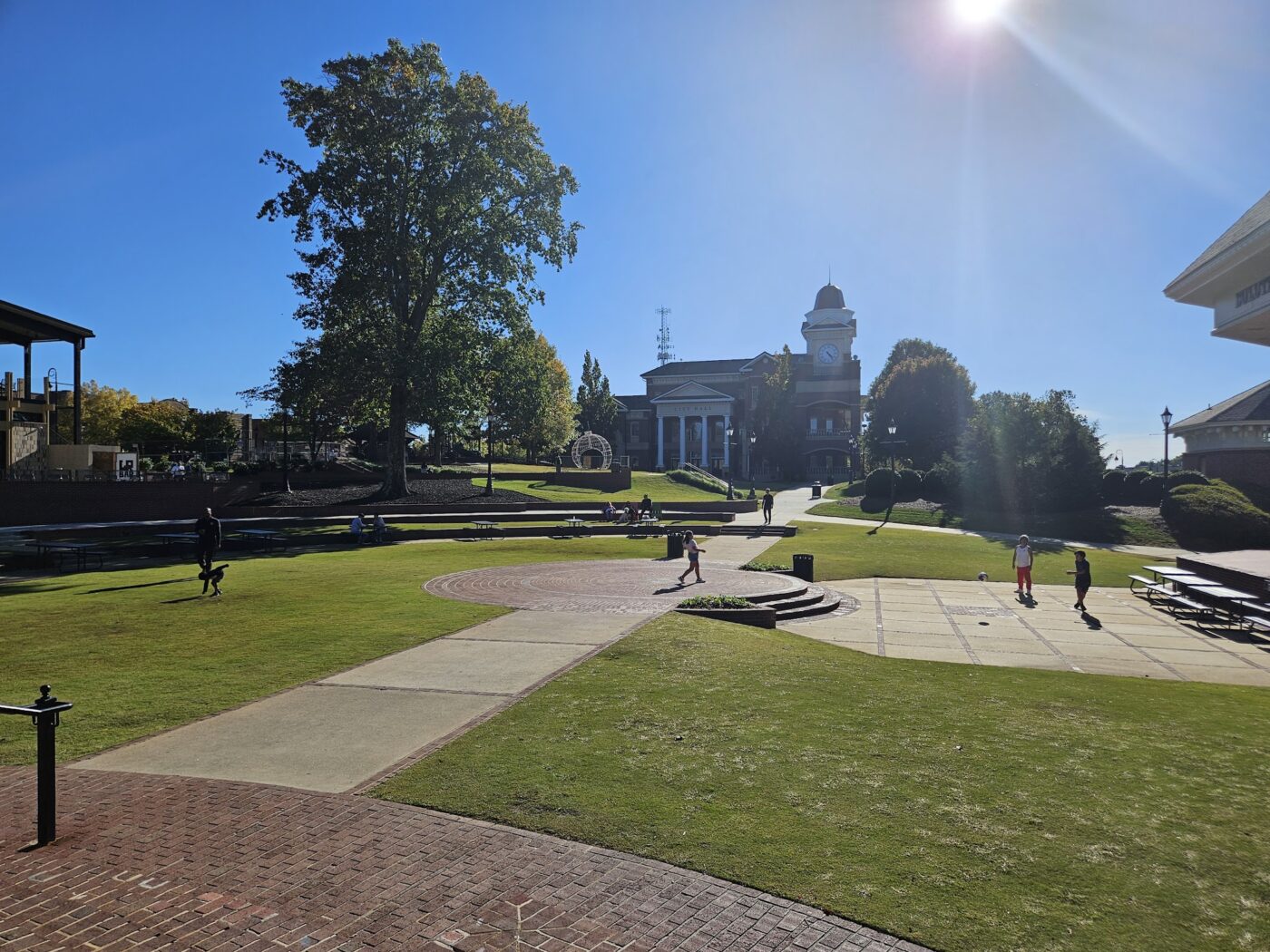
Downtown improvements in 2026 are leaning heavily toward “refresh and activate.” In Suwanee, the city is undertaking a full refresh of Main Street Park beginning around January 5, 2026, with an estimated 4–5 month construction window and a full park closure during work. Planned updates include resurfacing and updating the basketball court, replacing the pavilion, converting some hardscape back into lawn, and adding sidewalks, seating, and parking.
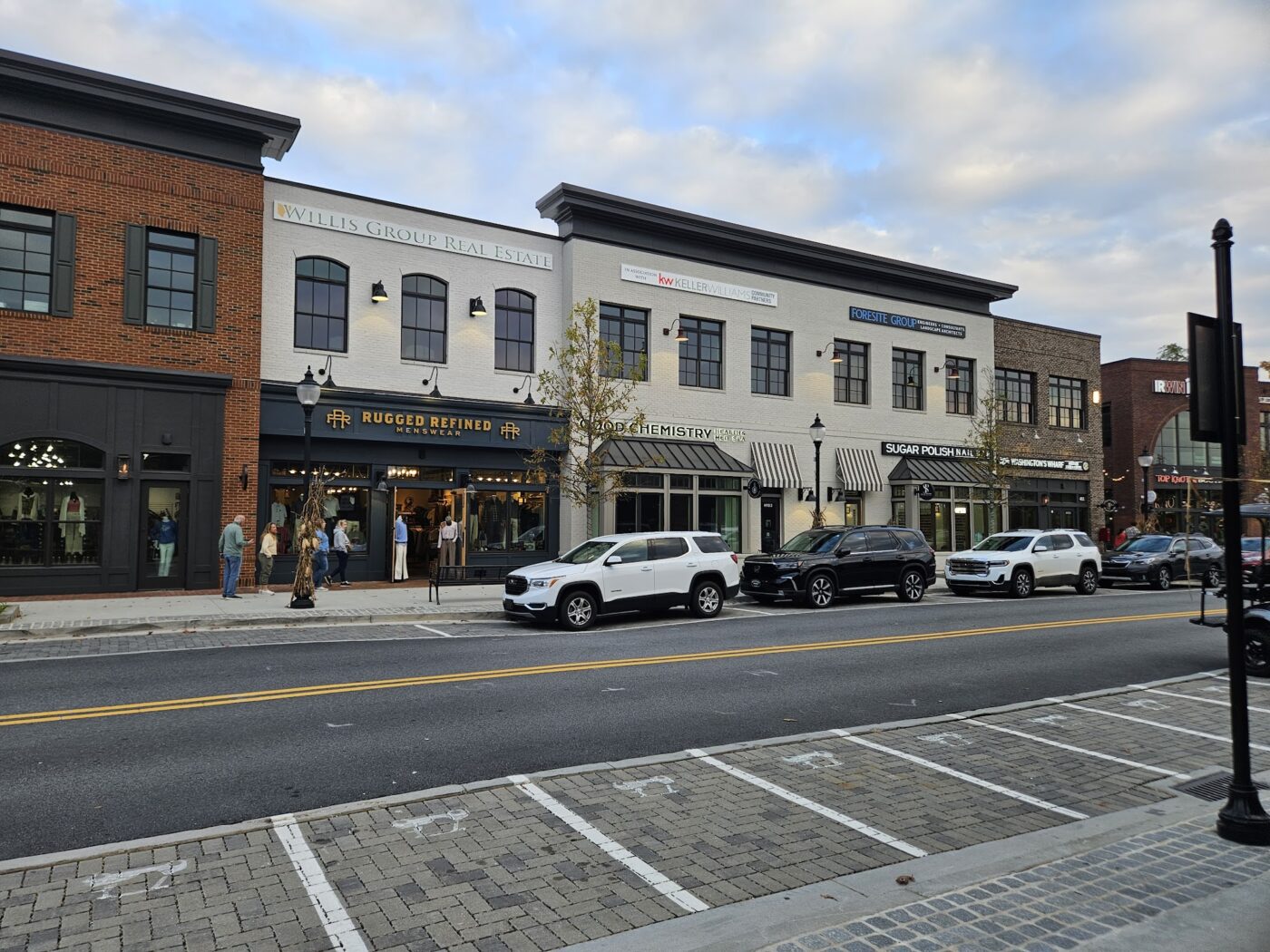
Suwanee is also pairing capital work with strategic “place activation.” The Suwanee Downtown Development Authority announced that BOCA Taqueria is expected to open in spring 2026 in the historic Pierce’s Corner building (originally built in 1910), after the DDA invested to bring the building up to code and restaurant-ready. Moves like this are less about adding square footage and more about strengthening the “why come here?” factor for an existing downtown.
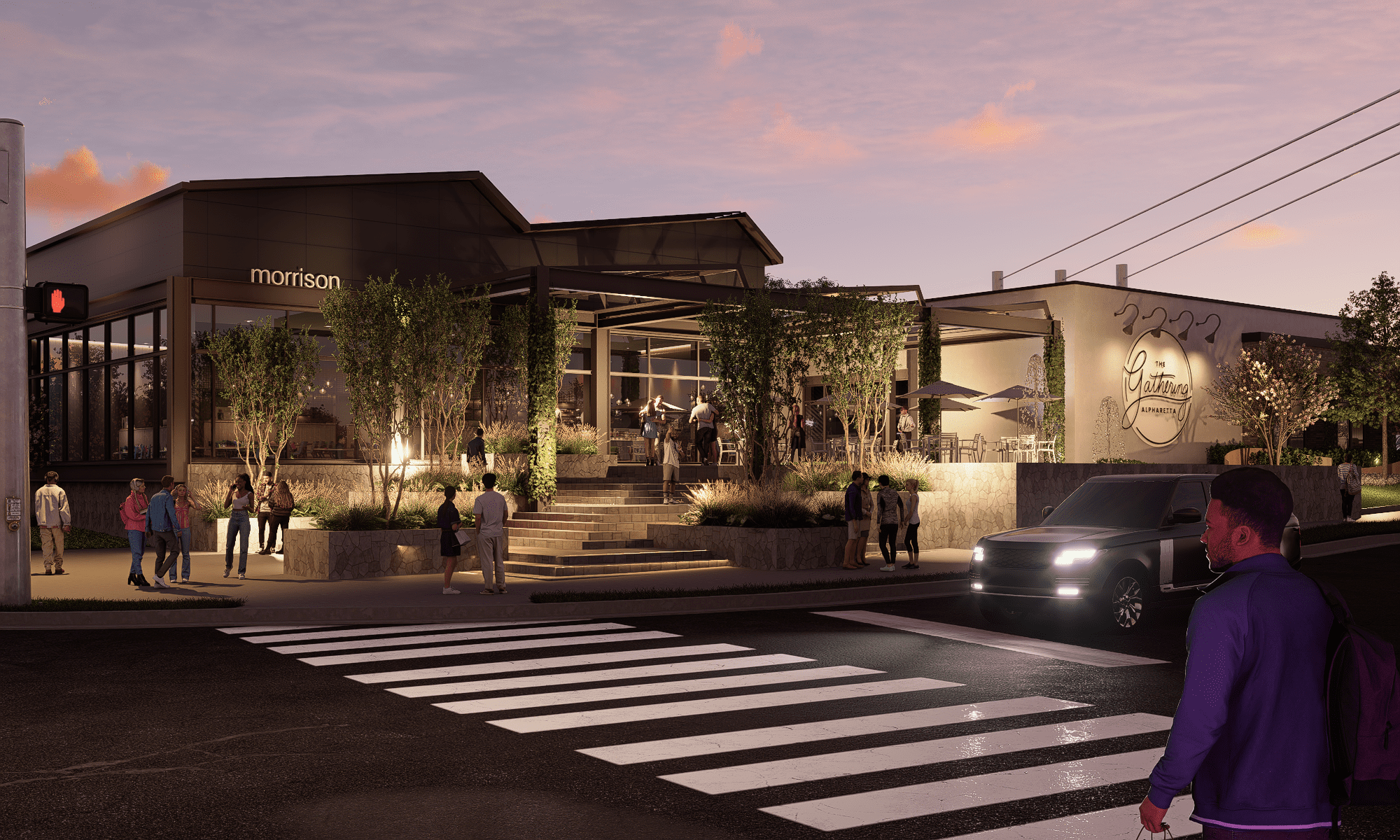
Planning documents add another layer to these downtown choices. Suwanee’s Roundabout Master Plan (covering the Buford Highway and Russell Street roundabout area) frames that node as a gateway connecting Town Center and Old Town and notes City Council adoption in September 2024. It also embeds a market-grounded approach, including planning-level estimates of potential neighborhood-scale retail, townhome, and multifamily capacity, and it explicitly cautions against “aspirational assumptions” divorced from market and engineering realities.
In Duluth, city-led projects include smaller safety and neighborhood circulation changes. A city dashboard for the Hall Circle one-way transition notes the intent to convert Hall Circle and Knott Street from two-way to one-way operations to improve safety and lists the project as in the engineering/design phase. Duluth’s planning infrastructure is also active at the comprehensive-plan level, with the city posting a 2024 Comprehensive Plan update page and an amended draft reference for FORWARDuluth.
Civic work isn’t limited to roads. Duluth has also highlighted green infrastructure and utility upgrades aimed at long-term resilience and redevelopment. A city post in August 2025 described a stormwater bioswale restoration on Main Street near Coleman Middle School, positioned as part of broader “green infrastructure” efforts and scheduled to finish by the end of September. Separately, Duluth’s FY26 capital update describes a project to install water and sewer lines along Buford Highway in the downtown area, explicitly stating the purpose is to encourage redevelopment and economic growth.
Parks and Recreation Investments
Park and trail investments in and around Duluth and Suwanee are increasingly being treated as transportation infrastructure—where a new connection can change how people reach schools, downtowns, and other parks without getting into a car.
A key example is the Ivy Creek Greenway extension. Gwinnett has approved a 1.8‑mile extension from Westbrook Road to a new trailhead in George Pierce Park, connecting into existing trails including the Suwanee Creek Greenway and bringing the combined system to a stated total of 10 miles. The county’s ribbon-cutting description adds detail about the kind of amenities being built—boardwalk sections through wetlands, overlooks, and a pedestrian bridge—features that tend to matter for year-round usability and family-friendly access.
The Western Gwinnett Pathway is another major connective tissue. Gwinnett’s 2024 opening announcement describes a five‑mile segment between Rogers Bridge Road and Suwanee Dam Road, and notes the longer-term intent to connect multiple cities and potentially Buford. The same release points to the planned “Loop Trail,” envisioned as a 17‑mile connection tying together destinations including Shorty Howell Park, the Gwinnett Place Mall area, and the Gas South District—an illustration of how recreation planning is increasingly intertwined with major activity centers.
On the river, Duluth’s Rogers Bridge Park has already become a regional connector. The city announced the pedestrian bridge is open and links to Cauley Creek Park, with additional Phase II park improvements described as including parking expansion, trails, and site access upgrades. The city’s project page also frames the broader partnership work involved in the bridge and park buildout. Duluth’s FY26 capital update continues to treat the park as a phased asset, describing prior components as complete while listing future enhancements such as playground, restroom, and parking considerations.
Within the city’s park portfolio, Duluth’s descriptions of Bunten Road Park emphasize its role as a multifunctional community park with trails and a heavily used community center—exactly the kind of facility where incremental upgrades tend to have broad local impact. Duluth’s bid opportunities list a “Bunten Road Park Improvement Project” with procurement activity spanning late 2025 into January 2026, suggesting active capital work in the park system.
Public Services and Civic Capacity
A practical way to gauge civic capacity is to look at where governments are allocating budget attention. In January 2026, the Gwinnett County Board of Commissioners adopted a $2.58 billion budget, including a $431 million capital budget, and highlighted initiatives such as upgrading the county’s 911 phone system, investing in community resource centers, and keeping roadways safe through proactive repaving and maintenance.
Bridge and drainage work also sits squarely in the “public services” category because it affects emergency access, school routing, and flood resilience—not just commuting convenience. In Suwanee, the city’s construction activity page explains that the Martin Farm Road bridge closure began November 11, 2025, and that the replacement bridge is designed to be longer and wider, add a sidewalk, and raise the bridge deck to improve water passage and reduce flooding risk. On the state side, GDOT’s project dashboard for PI 0015618 lists the bridge replacement as under construction and provides technical framing for why replacement is recommended, including age, design standards, and scour-critical classification.
School facility planning is another major capacity driver for families. Gwinnett County Public Schools describes Capital Plan 2031 as funded through continuation of E‑SPLOST (renewed by voters in November 2025) and lists systemwide facility priorities such as roofs/HVAC, safety systems, interior renovations, and select athletic and performing arts upgrades—work that, while not specific to one neighborhood, often shapes how residents experience growth over a five‑year period.
Private Sector: What’s Opening
Private-sector growth in 2026 is showing up in two places: industrial/employment sites along major corridors, and food-and-gathering concepts in walkable downtown nodes.
On the jobs side, Socomec announced plans to create around 300 jobs tied to a new facility near Suwanee, with hiring for production and operations roles expected to begin in early Q1 2026. The announcement, issued through Brian Kemp’s office, also frames the project as an approximately $10 million investment and places the facility in an existing building near Suwanee—consistent with the broader pattern of industrial growth clustering near established road access rather than greenfield sprawl.
In downtown Suwanee’s Old Town, the Pierce’s Corner activation stands out because it combines historic preservation with a concrete opening timeline. The DDA’s announcement states that BOCA Taqueria is planned to open in spring 2026 in the restaurant-ready Pierce’s Corner building, positioning it as part of a long-term effort to revitalize the original core. Separately, city long-range planning also points toward additional, phased commercial potential around the Buford Highway/Russell Street roundabout, with the Roundabout Master Plan explicitly emphasizing restaurants and neighborhood-scale retail as a core opportunity—while also stressing that implementation timing is left open.
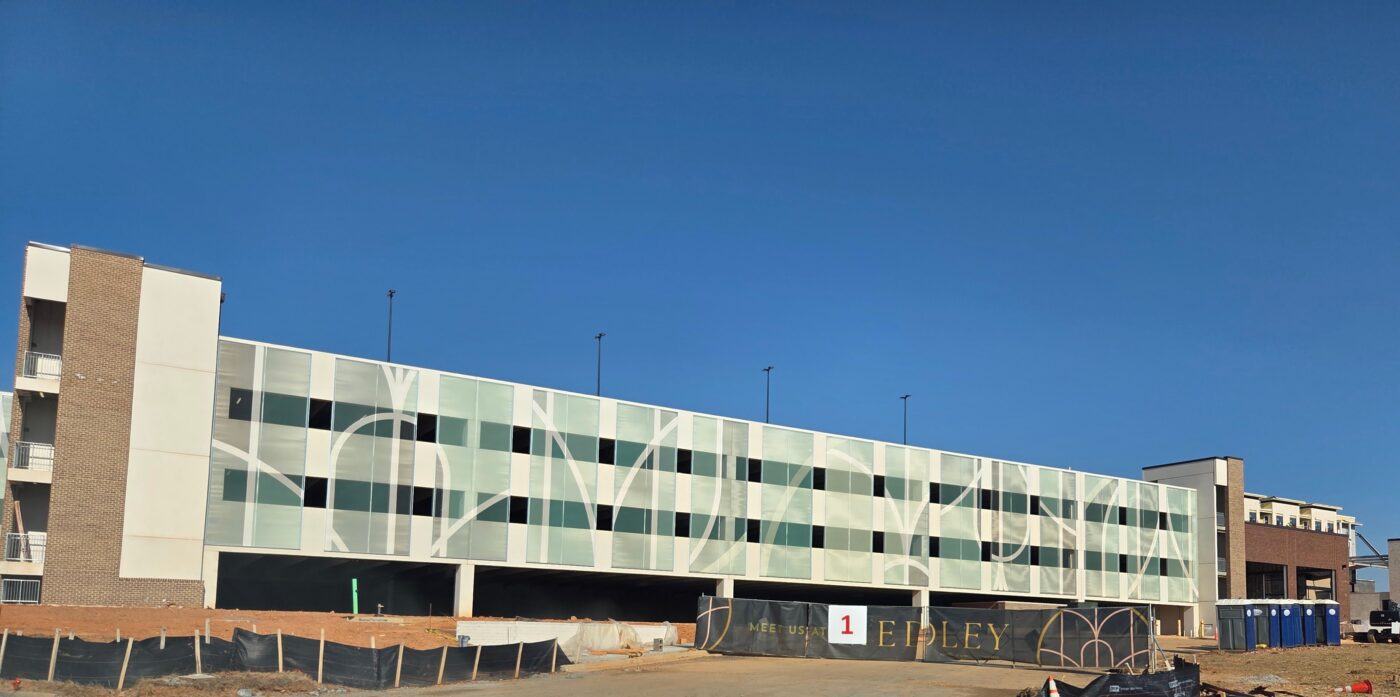
In Duluth, a major regional economic lever is the Gas South Arena and its surrounding campus. The Atlanta Journal-Constitution reports a $170 million-plus renovation campaign intended to modernize nearly everything inside the arena, describing major components such as a redesigned entrance and plaza, new seating, a new parking deck, and upgraded concessions and security systems, with financing described as a mix of bond financing, reserve cash, and other sources. If delivered on schedule, this type of phased renovation tends to matter for residents through two channels: traffic/event-day patterns and the type of adjacent commercial investment that large venues often attract.
At the smaller scale, Downtown Duluth’s dining pipeline includes businesses publicly signaling openings. The Knox has stated it expects to open in early 2026 in Downtown Duluth. Separately, the restaurant chain Rreal Tacos posted that its Downtown Duluth location was “now open” on December 10, 2025. A new restaurant announcement also points to continued churn: Jung’s Kitchen has been reported as targeting a January 15, 2026 debut.
Finally, the largest “planning-phase” private-and-public development story still looming over greater Duluth is Gwinnett Place Mall. Gwinnett’s redevelopment page describes the site as mostly vacant, emphasizes its proximity to I‑85 and destinations like the Gas South District, and notes that the county (through its Urban Redevelopment Agency) opened a search for a master development partner in September 2025, with more timeline detail expected as developer plans take shape.
Are you opening a business in Duluth or Suwannee?
Submit your business story here.
What This Means for Residents
For most residents, the near-term experience of “development” is still likely to be intermittent inconvenience: detours during bridge construction, shifting traffic patterns near work zones, and periodic closures (like Main Street Park during its renovation window).
The longer-term direction, however, is clearer. Investments are being concentrated along corridors and connectors—Peachtree Industrial as a north-south spine, SR 120 as an east-west civic/commercial route, and the emerging web of trails and greenways that increasingly link parks to downtowns and to each other.
The trend line is steady rather than sudden: smaller projects, stacked over years, that gradually recalibrate how people move, where they gather, and which nodes become more walkable and commercially active.
Official Links
- City of Duluth
- City of Suwanee
- Gwinnett County SPLOST (program overview)
- Gwinnett SPLOST project portal
- Georgia Department of Transportation (GDOT)
- GDOT GeoPI: Martin Farm Road Bridge Replacement (Project ID 0015618)
- GDOT: I-85 Corridor Study (85 Study)
- 85 Study project website
- Suwanee: Current Construction Activity
- Suwanee: Main Street Park project page
- Duluth: City Projects (capital + major private developments)
- Downtown Duluth
- Suwanee Town Center
- Gwinnett Place Mall Redevelopment (project page)
- Gas South District: Future / master plan updates