Over the past decade, North Atlanta has quietly become one of the region’s most attractive destinations for international families. Parents relocating from Europe, Middle East, Latin America, Asia, and the other parts of the world increasingly choose communities such as Alpharetta, Johns Creek, Cumming, Roswell, Suwanee, and Duluth—often bypassing larger, more expensive urban centers.
What draws them here is not a single factor, but a combination that feels increasingly rare: strong public schools, a sense of safety, attainable housing, and communities that allow families to keep their cultural identity while integrating comfortably into American life.
Strong public schools without private-school pressure
For many international families, education is the first and most decisive factor. North Atlanta is known for its consistently high-performing public school systems, particularly in Forsyth County, Fulton County, and Gwinnett County.
Families arriving from abroad often expect to rely on private schools, as is common in many countries. In North Atlanta, many discover that public schools offer strong academics, advanced placement tracks, STEM programs, arts education, and extensive extracurricular options—without the tuition burden.
Equally important is the culture inside the schools. Classrooms are accustomed to students who speak multiple languages at home, come from mixed backgrounds, or are adjusting to a new country. Support services, ESL programs, and guidance counselors familiar with relocation challenges make transitions smoother than many families anticipate.
A sense of everyday safety that feels tangible
Safety is not just about crime statistics; it is about daily experience. International families often describe North Atlanta as a place where children can walk to school bus stops, ride bikes in subdivisions, and attend after-school activities without constant anxiety.
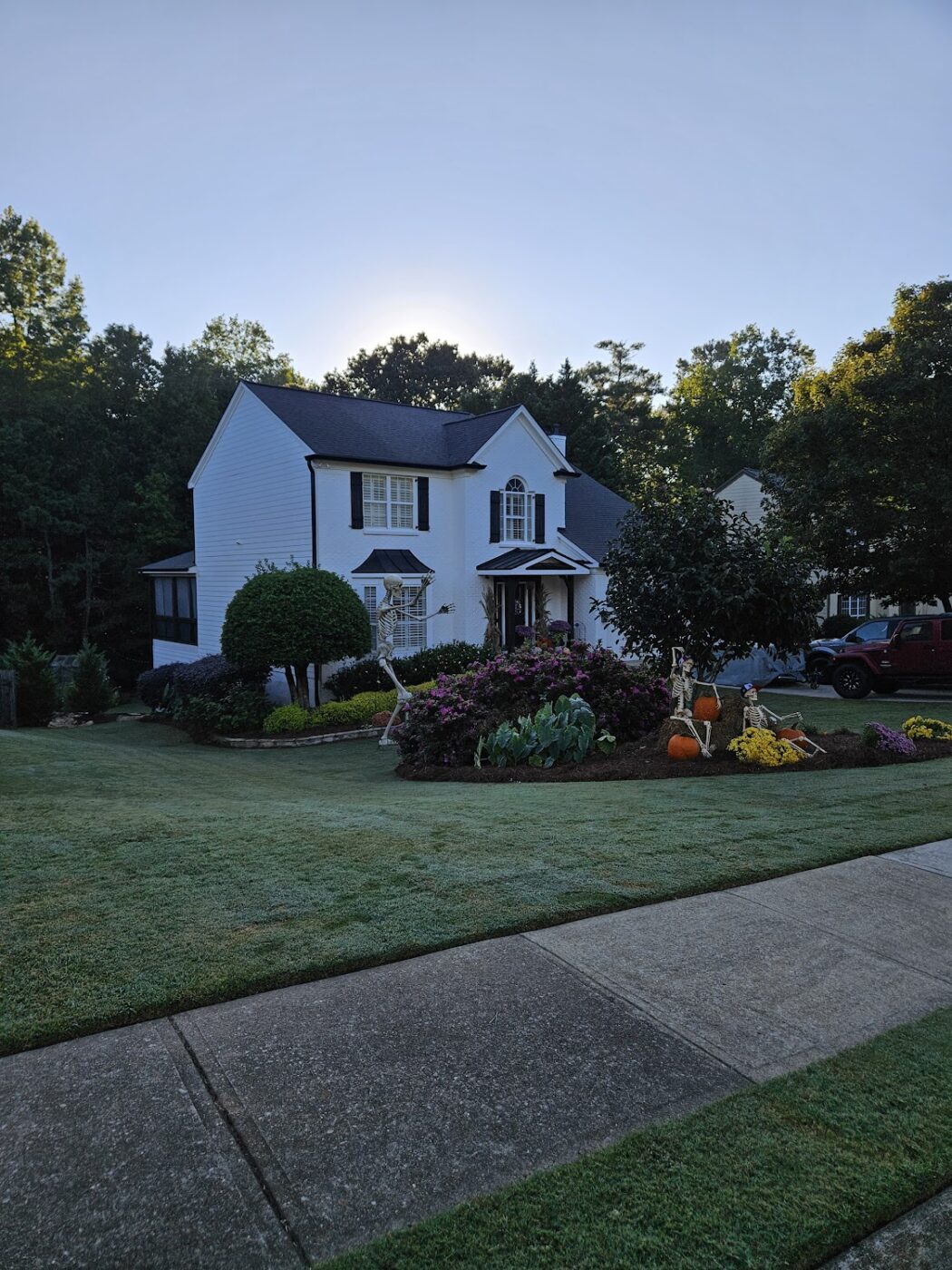
Suburban planning plays a role here. Residential neighborhoods are typically separated from heavy commercial traffic, and many communities are built around cul-de-sacs, greenways, and local parks. Police and emergency services are visible but not intrusive, contributing to a sense of stability rather than surveillance.
For families coming from dense cities or politically unstable regions, this calm, predictable environment is a major emotional relief.
Housing that allows space and stability
Compared to major global cities, North Atlanta still offers relatively attainable housing—especially for families seeking space. Single-family homes with yards, garages, and multiple bedrooms are common, even for first-time buyers or renters adjusting to U.S. prices.
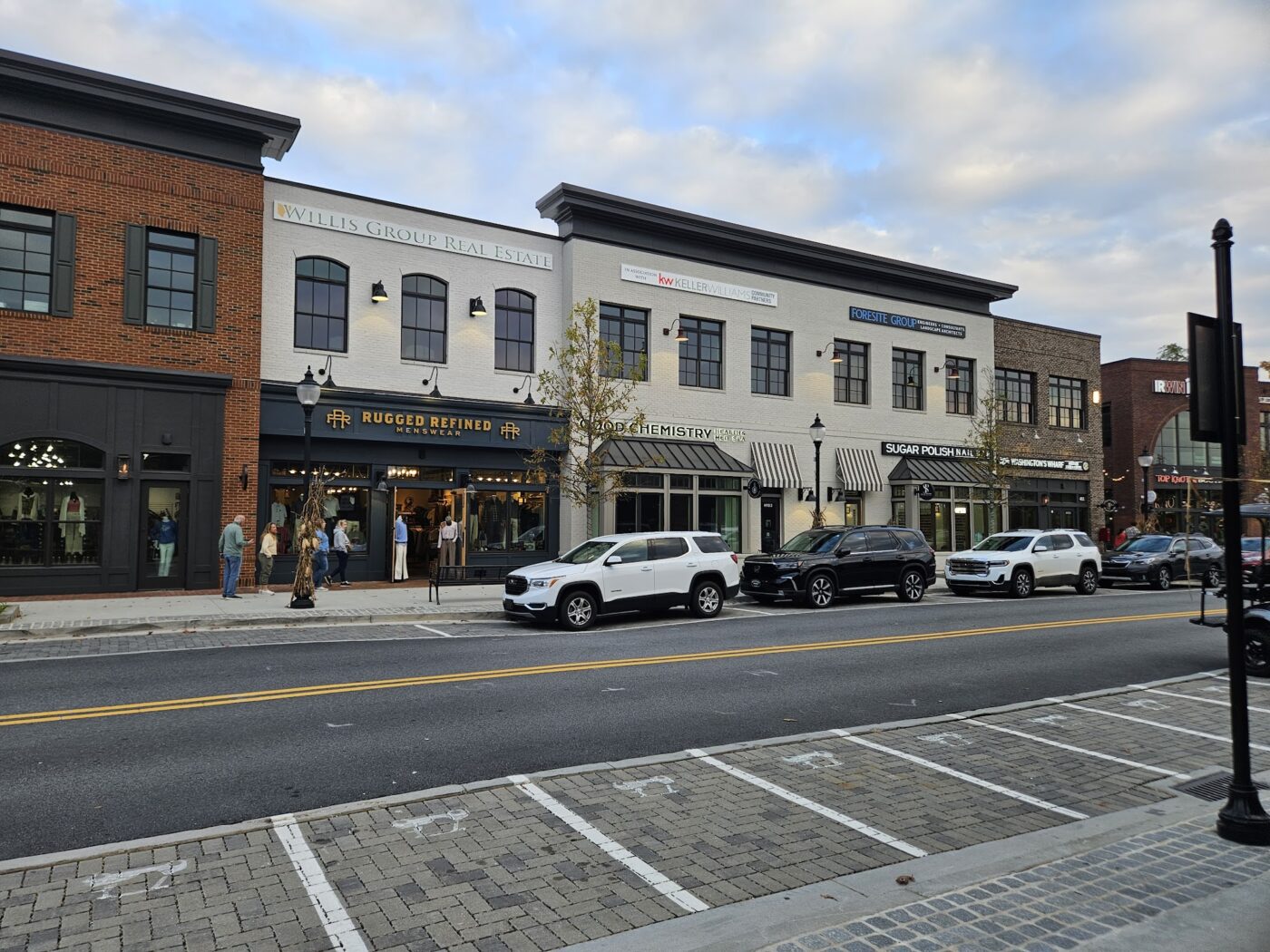
Communities like Milton and parts of Cumming attract families looking for quieter, semi-rural settings, while Alpharetta, Johns Creek, and Duluth appeal to those who want walkable centers, shopping districts, and quicker access to jobs.
Importantly, housing options span a wide range: townhomes, established subdivisions, new construction, and mixed-use developments. This flexibility allows families to “step into” American suburban life gradually, without feeling locked into a single model.
Built-in international communities—without enclaves

One of North Atlanta’s defining features is its diversity without fragmentation. International families often find neighbors who share similar backgrounds—whether cultural, linguistic, or professional—while still living in fully integrated communities.
Places of worship, international grocery stores, language schools, and cultural organizations are spread throughout the area rather than concentrated in isolated districts. This allows families to maintain traditions while participating in broader civic life.
Children, in particular, benefit from this balance. They grow up exposed to multiple cultures while feeling fully at home in American schools, sports leagues, and social circles.
A practical, family-centered daily rhythm
North Atlanta’s appeal is also rooted in daily logistics. Commutes are manageable compared to large metro cores. Shopping is easy. Healthcare access is strong. Parks, libraries, and recreation centers are woven into everyday life rather than treated as special destinations.
For international parents navigating a new country, this practicality matters. The learning curve of American systems—school calendars, healthcare, transportation, extracurricular schedules—is steep enough. North Atlanta reduces friction instead of adding to it.
A long-term place to settle, not just land
Perhaps most telling is how many international families arrive “temporarily” and stay. What begins as a relocation for work or education often becomes a long-term commitment once families experience the combination of stability, opportunity, and quality of life.
North Atlanta does not market itself loudly as an international hub. Instead, it earns loyalty quietly—through schools that work, neighborhoods that feel safe, and communities that allow families to belong without giving up who they are.