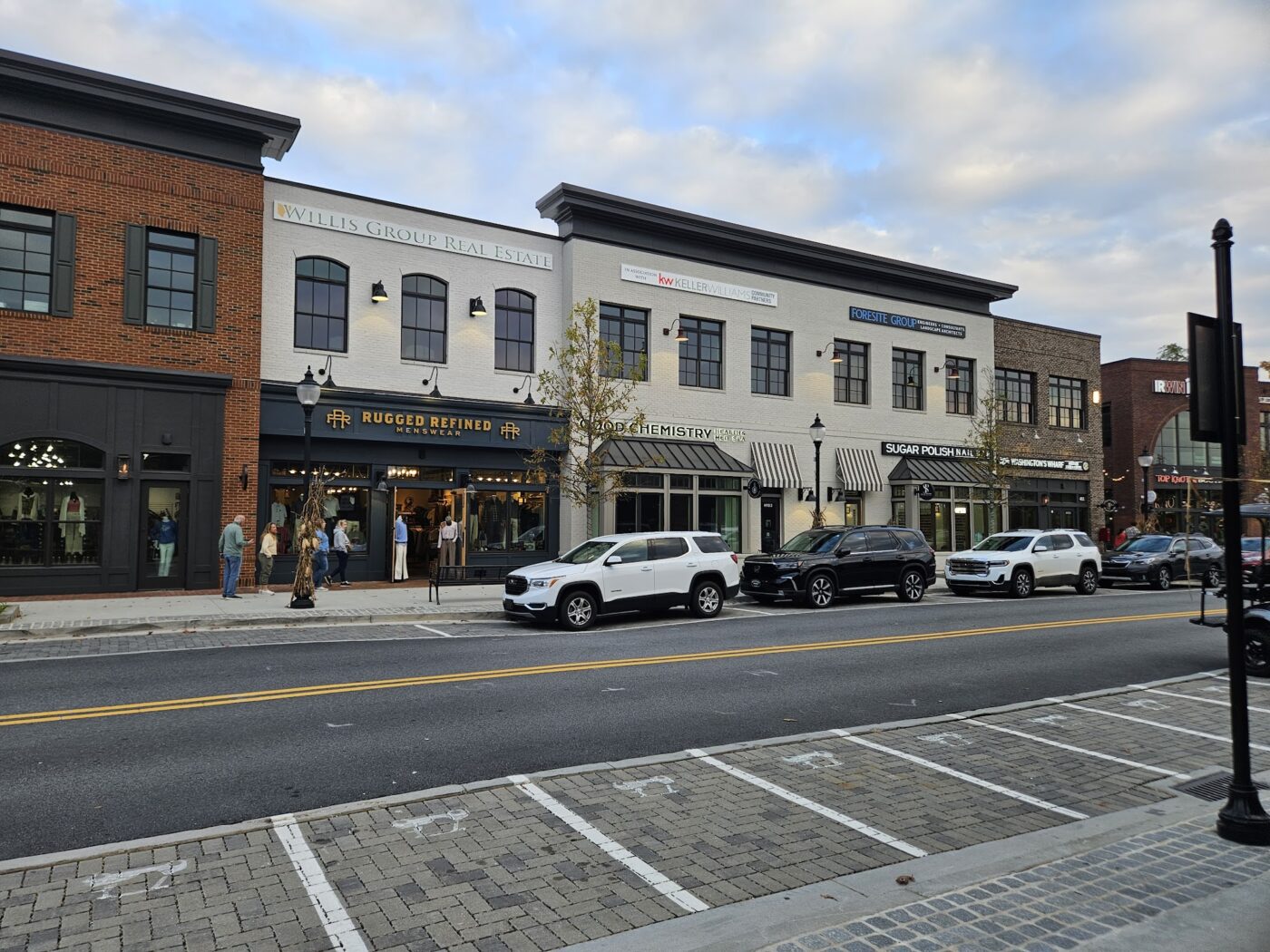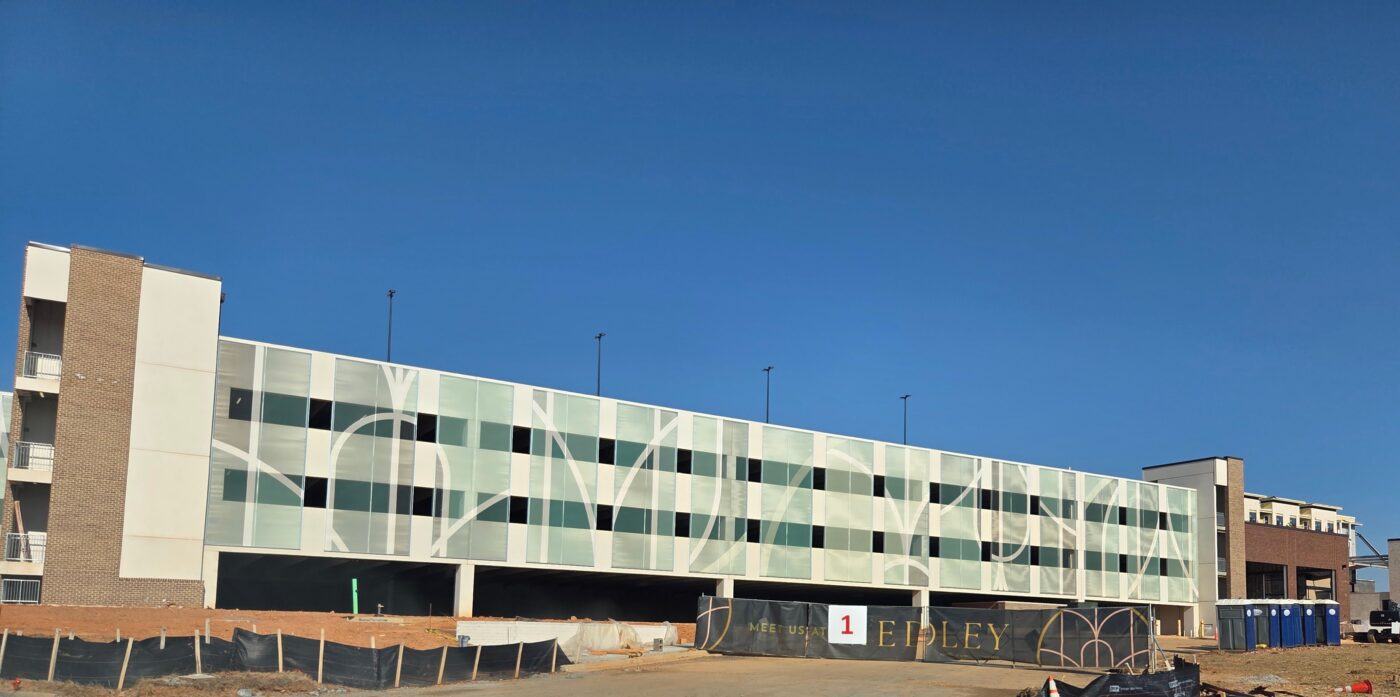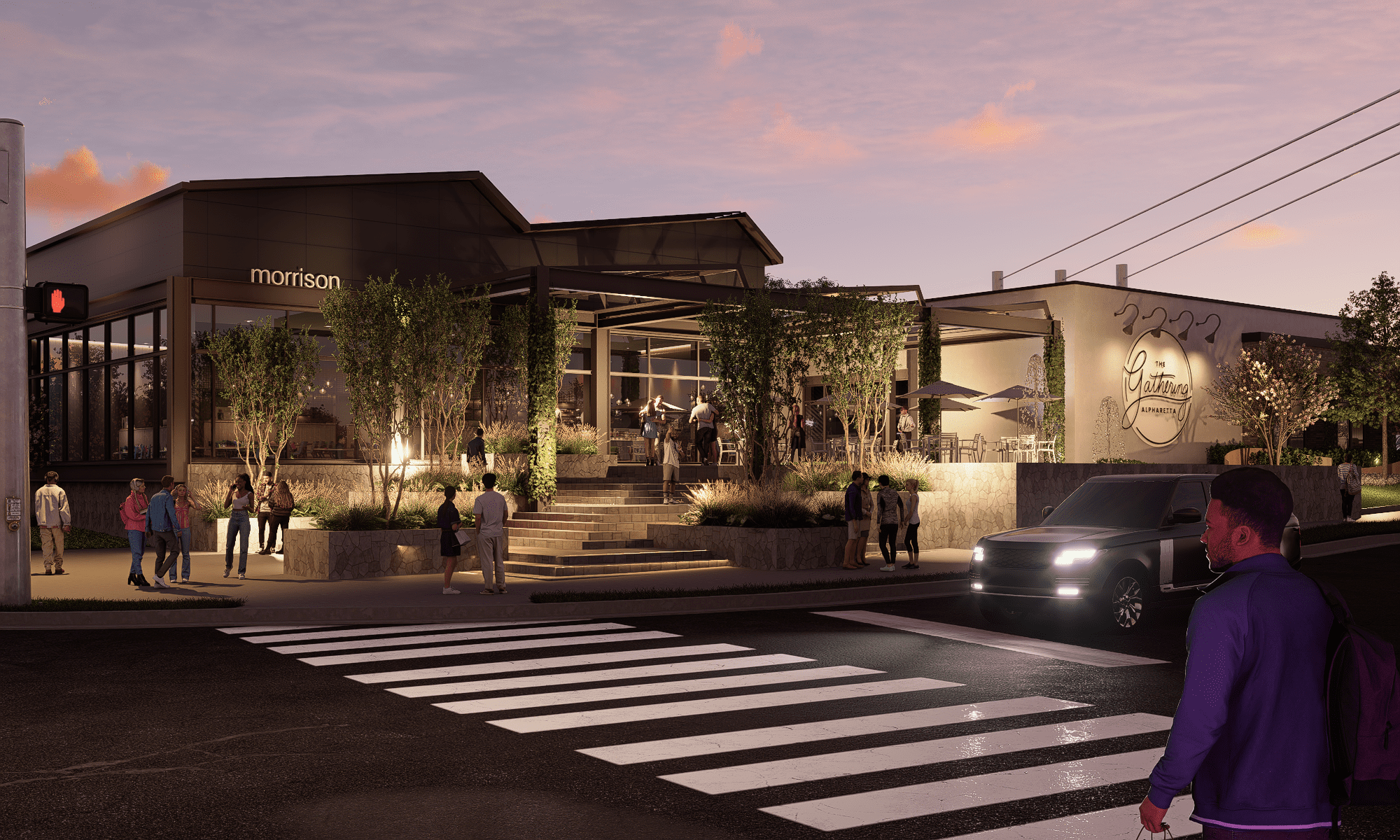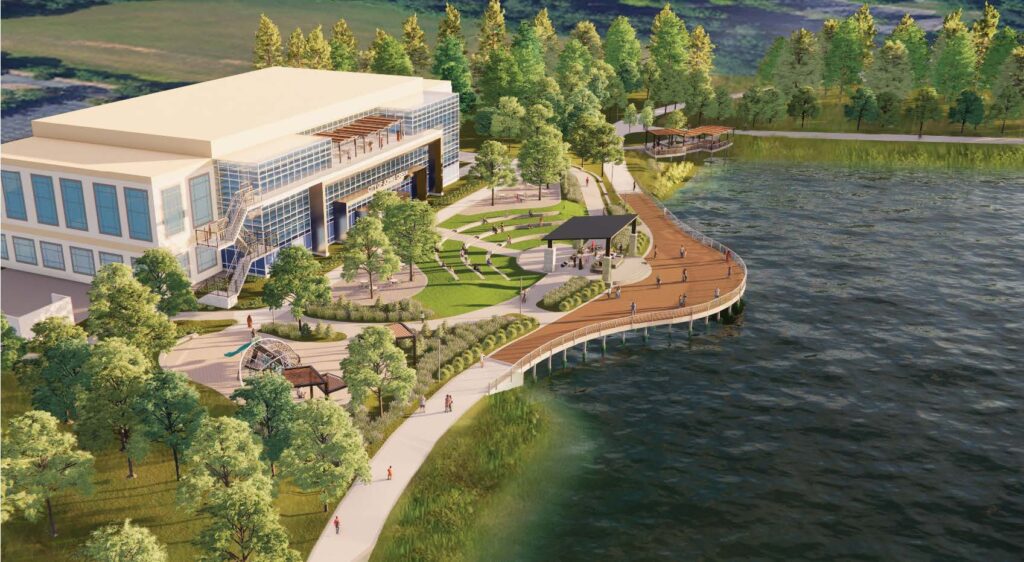
For years, one question has followed Johns Creek wherever growth, identity, or planning came up: Why doesn’t Johns Creek have a downtown?
The answer is more layered than simple resistance or delay. Johns Creek’s path toward a town center reflects its unusual history, its political culture, and a gradual shift in how residents define “quality of life.”
What’s happening now didn’t emerge suddenly. It’s the result of timing finally aligning.
A City Without a Traditional Center—By Design
Unlike older Georgia towns that grew outward from a courthouse square or rail stop, Johns Creek developed as a collection of subdivisions, schools, and office parks. Long before it became a city in 2006, it functioned as a residential enclave—quiet, highly educated, and car-oriented.
Residents didn’t need a downtown to meet daily needs. Shopping happened along corridors like State Bridge Road and Medlock Bridge Road. Dining, entertainment, and hotels were minutes away in Alpharetta or Roswell. The absence of a city center wasn’t a failure; it matched how people lived.
That early success shaped expectations. Johns Creek became known for schools, safety, and stability, not for nightlife or foot traffic. Any proposal that hinted at density or disruption faced immediate skepticism.
Political Caution and the Weight of Trust
Johns Creek’s civic culture has always leaned cautious. Voters prioritized predictability over experimentation. City leaders, aware of that trust, were slow to push anything that looked like a dramatic shift.
For years, “town center” conversations stalled not because of lack of interest—but because of fear of getting it wrong:
- Would apartments overwhelm schools?
- Would traffic worsen already-busy corridors?
- Would a downtown dilute the suburban character people chose intentionally?
These concerns weren’t abstract. Nearby examples showed both success and strain. The political cost of missteps felt high, and the incentive to wait felt safer.
What Changed: Demographics, Mostly
The shift didn’t come from a sudden desire to compete with Avalon or downtown Roswell. It came from who Johns Creek residents are now.
Many long-time homeowners are aging in place.
Their children are grown.
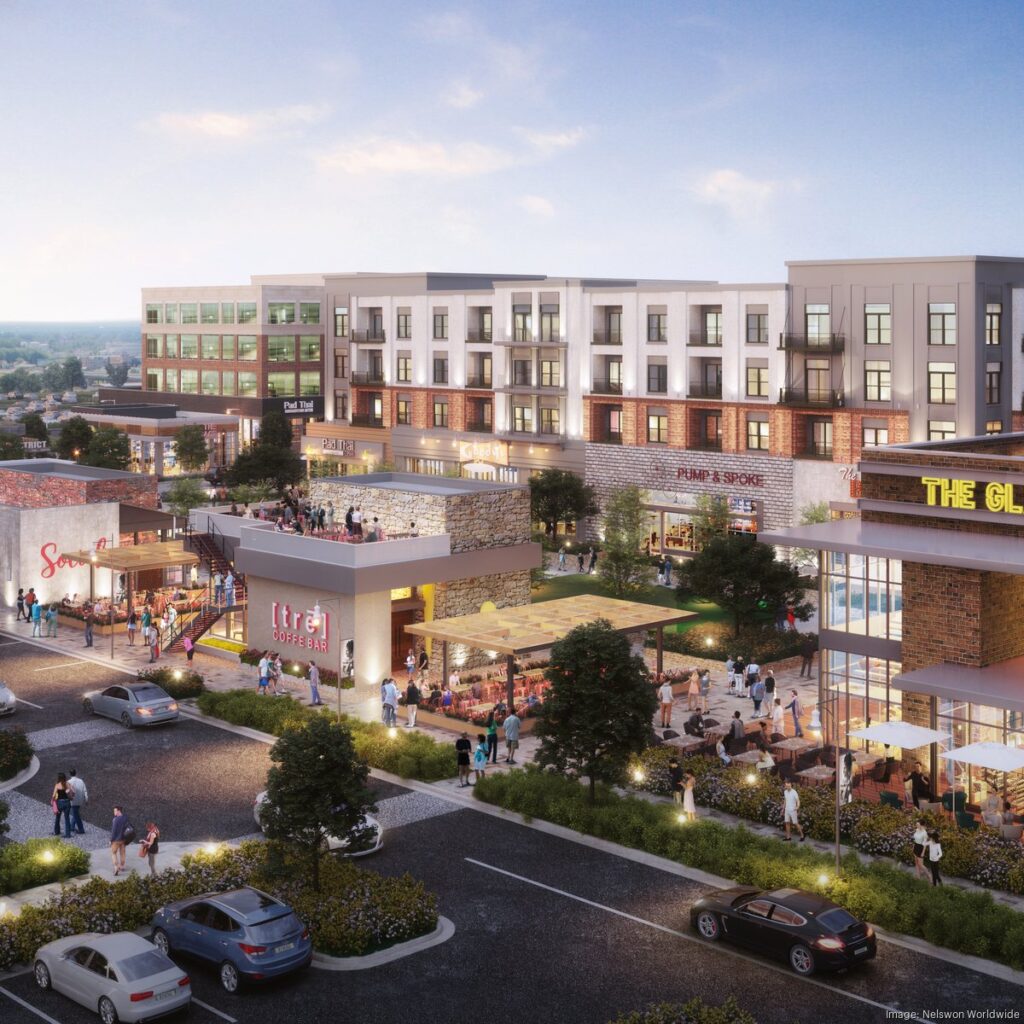
They want walkable restaurants, coffee, and daily services without getting back in the car.
At the same time, newer residents—often relocating from larger metro areas—arrive with different expectations. They still value schools and space, but they also expect somewhere to walk, meet friends, or spend a casual evening close to home.
The question quietly evolved from “Do we need a downtown?” to “What happens if we don’t?”
The Strategic Pivot
This is where the current plan matters.
Rather than chasing a regional draw, Johns Creek’s approach centers on daily life:
- Grocery access
- Coffee shops
- Fitness
- Practical dining
- Public green space
- Civic gathering areas
The emphasis is not on becoming the next Avalon—but on creating a place residents might visit several times a week, not a few times a year.
That distinction has helped neutralize resistance. The vision feels less like reinvention and more like completion.
Why Now, Specifically?
Three forces converged at once:
- Economic Reality
Retail and dining no longer thrive as isolated strips. Mixed-use development spreads risk and supports long-term viability. - Regional Competition
Alpharetta, Suwanee, and Roswell already offer walkable centers. Johns Creek risked becoming the only major North Fulton city without one. - Political Readiness
Years of public discussion, revised plans, and scaled-back ambitions created space for consensus. This version feels measured, not rushed.
In short: the city didn’t change its values—it adapted how those values are expressed.
A Town Center as Identity
Perhaps the most important shift is philosophical.
This project isn’t about attracting outsiders.
It’s about giving Johns Creek a shared place—something it has never fully had.
For a city defined by neighborhoods, the town center is less a downtown and more a common ground. A place where identity becomes visible.
That’s why it took so long. And that’s why it’s happening now.