Exclusive sponsor
Visa Crackdown Could Reach Deep Into North Atlanta
A new federal policy targeting B-1 and B-2 visas may affect many North Atlanta residents who are part of large immigrant communities. This visa crackdown could complicate travel and immigration status for those seeking asylum.
Major local stories and useful updates, once a week.
A federal review of business and tourist visas could have particular resonance across North Atlanta, where immigration has reshaped entire communities.
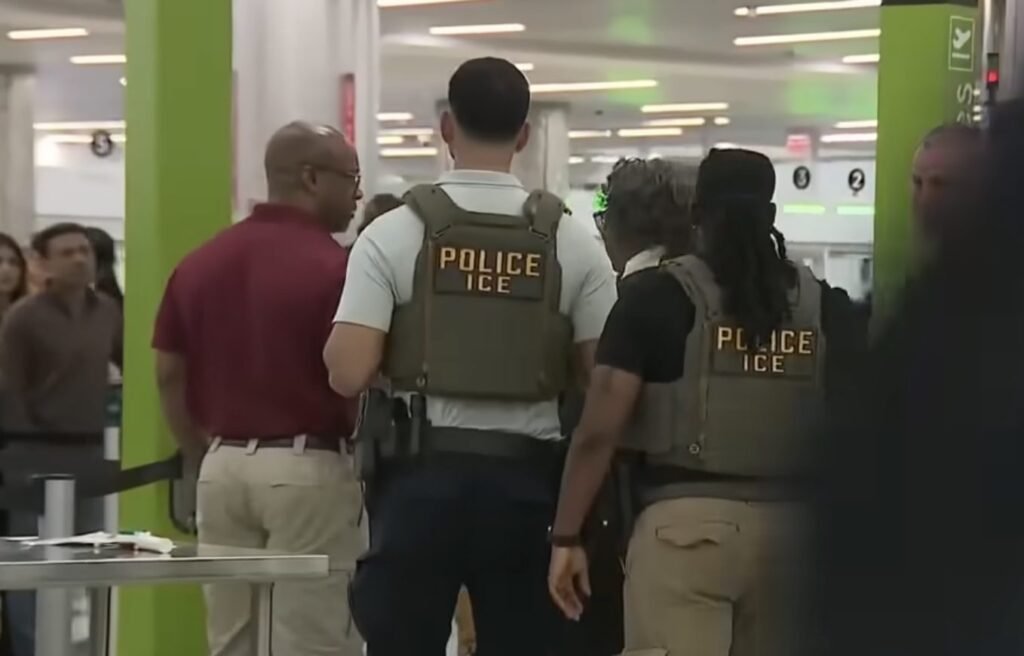
The Trump administration is preparing to revoke B-1 business and B-2 tourist visas held by foreign nationals who entered the United States as temporary visitors and later applied for asylum. As many as 200,000 visas could ultimately be affected nationwide, although no final number has been announced.
The policy does not mean those people would automatically be deported. An asylum application can remain pending even if a visitor visa is revoked. But losing the visa could complicate travel, future immigration applications and a person’s legal position while the asylum case proceeds.
The local relevance is unusually strong.
In Johns Creek, 34.8% of residents are foreign-born — roughly one in three people. Alpharetta is at 27.8%. In Forsyth County, 22.9% of residents were born outside the United States, while Gwinnett County is at about 28%. Suwanee is also near 27%.
Those numbers do not tell us how many local residents entered on B-1 or B-2 visas and later applied for asylum. Census data do not track immigration status that specifically, and no reliable local count has been released.
Still, a federal immigration change carries a different weight in a city such as Johns Creek, where nearly 30,000 residents were born abroad, than it does in a community with little international migration. The same is true across South Forsyth and Gwinnett, where immigrant families are deeply embedded in schools, technology companies, small businesses, religious congregations and neighborhood life.
The administration argues that tourist and business visas are issued to people who intend to leave the United States after a temporary stay, and that later asylum applications can raise questions about that original intention. U.S. law, however, allows people already inside the country to seek asylum if they fear persecution at home.
If the administration proceeds, the practical questions for North Atlanta families will be immediate: whether affected applicants can continue working, whether they can travel, what happens when spouses or children have different immigration statuses, and how a revoked visa affects an asylum case that may already have been pending for years.
For now, there is no public number showing how many people in Johns Creek, Alpharetta, Cumming, Suwanee or Duluth could be directly affected.
But in a part of Georgia where foreign-born residents make up roughly one-quarter to one-third of the population in several communities, a visa crackdown involving as many as 200,000 people nationally is unlikely to remain just a Washington story.
If you’ve been following growth and change around here, these stories are worth a look too.
Community Voice
A snapshot of reader views, not a scientific survey.
Explore Community Voice →About the Author


In North Atlanta

More North Atlanta Residents Are Working, Yet Unemployment Rose
Sugar Hill Has North Atlanta’s Longest Average Commute
What North Atlanta Should Know Today. Friday, Sept. 11, 2026

Mike Collins Won the GOP Race. Now Comes the North Atlanta Test.

North Atlanta Runs on Skilled Hands. Are There Enough?

Gwinnett’s New Blight Tax Could Make Neglected Properties Much More Expensive to Hold
IN NORTH ATLANTA