 Exclusive sponsor
Heavy-Equipment Technician Shortage Opens a Career Path Across the Sun Belt
A shortage of heavy-equipment technicians in the Sun Belt is creating career opportunities in construction and farm equipment repair. Apprenticeships and technical training provide entry points, with competitive pay and long-term growth potential in the field.

Get the week’s jobs, development, housing and growth stories from across the Sun Belt in one email.
The machines working construction sites and farms across the Sun Belt need people who can keep them running. Finding those technicians remains a challenge, creating opportunities for workers entering the trades or changing careers, according to the AED Foundation.
Sean Fitzgerrel, the foundation’s vice president, told North Atlanta Star that longer operating seasons in the Southeast add to demand: equipment works for more of the year, increasing the need for maintenance and repairs.
But the deeper problem is a shortage of people entering the field as experienced technicians retire or leave.
“I think three things really drive the issue: education, social stigma and awareness,” Fitzgerrel said in written responses.
Young people generally know about automotive mechanics, he said, but may be less familiar with careers repairing construction, agricultural and other heavy equipment. Years of emphasis on four-year degrees have also drawn attention away from skilled trades.
What the Work Can Pay
Citing AED’s Cross Industry Compensation Report, Fitzgerrel said an entry-level equipment technician can earn approximately $50,000 annually. A top shop mechanic can earn around $68,000, while an experienced field mechanic can earn approximately $75,500.
Those figures vary by employer, location, experience and type of work. They are industry figures supplied by AED, rather than salary offers for specific Sun Belt openings.
For people changing careers, Fitzgerrel recommends exploring apprenticeships that combine a paycheck with practical training. The same route can suit high school graduates who already know they want to become technicians.
A two-year technical program offers another entry point. An associate degree, he said, can provide a foundation for repair work while leaving room to move into other positions as a career develops.
Where to Start
Fitzgerrel said the foundation has accredited college programs in Georgia, Florida, Alabama, Mississippi and South Carolina, among other states. He encouraged prospective students and workers to contact nearby equipment dealers and technical colleges and ask specifically about apprenticeships, work-based learning and technician training.
He did not identify individual employers currently recruiting apprentices.
Applicants should also understand the physical demands. Technicians perform hands-on work, sometimes in difficult conditions, and the job can take them well beyond a climate-controlled shop.
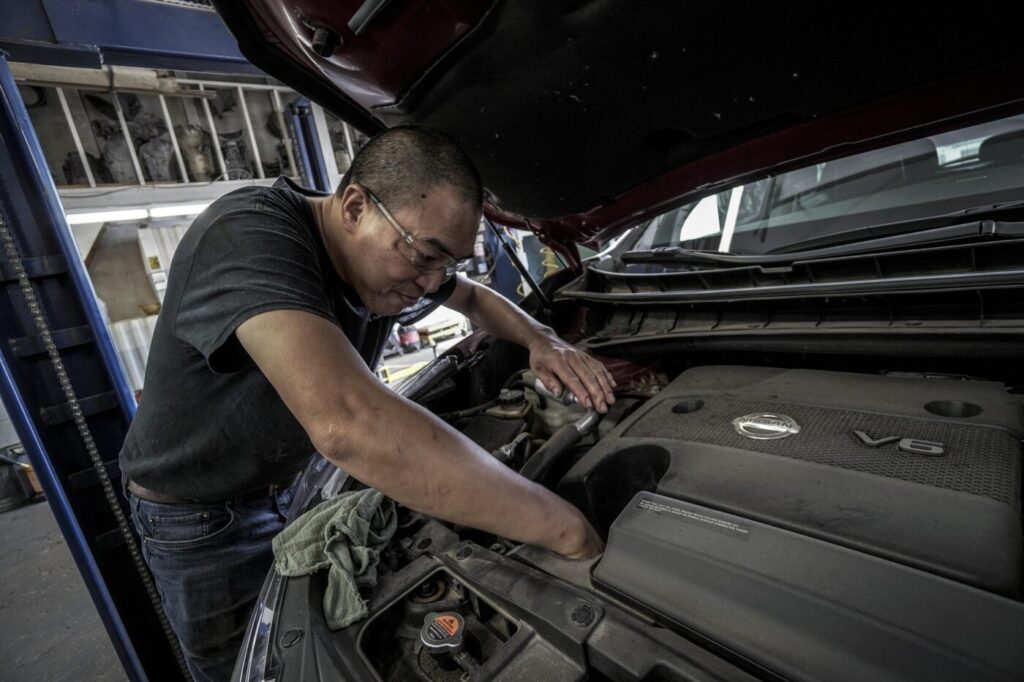
“This isn’t a job where you’re sitting in an air-conditioned office all day,” Fitzgerrel said.
New workers typically receive training and guidance from experienced colleagues before working independently, he added. For those willing to keep learning, the longer-term possibilities can extend into management and company leadership.
Community Voice
A snapshot of reader views, not a scientific survey.
Explore Community Voice →About the Desk

Across the Sun Belt

Sun Belt Home Prices Are Flattening. Buyers Still Can’t Afford Them

How 4.5 Million Border Migrants Reshaped the Sun Belt’s Population Map
Gas Prices Near $4.50 as Sun Belt Drivers Face a Costly Fall

Hispanic America Has Reached 70 Million, and the Sun Belt Is Helping Redraw the Map

Sun Belt Home Prices Are Softening, but Mortgage Rates Are Taking Back the Savings