Exclusive sponsor
Houston ISD Enrollment Drop Is Deeper Than Expected, Putting More Pressure on School Budgets
Houston’s public school district now expects a sharper enrollment decline than first estimated, creating budget pressures. The trend reflects wider regional shifts affecting schools.

Get the week’s jobs, development, housing and growth stories from across the Sun Belt in one email.
Houston’s public school system is losing students substantially faster than expected, creating a financial problem that could deepen as enrollment determines how much money reaches campuses.
Houston Independent School District now expects enrollment of roughly 159,000 to 160,000 students, Superintendent Mike Miles told Texas lawmakers Tuesday.
That would put the decline at nearly twice the 4,000-student loss the district anticipated when preparing its budget.
The original projected decline alone was expected to cost HISD about $50 million.
Schools are already feeling the decline
Signs of the enrollment drop appeared almost immediately after classes began.
HISD had just over 155,600 students enrolled Sept. 4, nearly 10,000 fewer than at the same point last year. The number generally rises during the opening months of school, and Texas will not take its official enrollment count until Oct. 31.
The district has already begun adjusting staffing and campus budgets to match the smaller student population.
HISD enrolled about 168,800 students during the 2025-26 school year. In 2022-23, the final school year before the state takeover, enrollment stood at about 189,290.
That means the decline is becoming a longer-term issue rather than a one-year fluctuation.
Houston is not alone
The pressures extend beyond HISD.
Houston-area districts are simultaneously dealing with demographic changes, lower birth rates in some communities and increasing competition from charter, private and home-school options.
Texas’ new Education Freedom Accounts program adds another factor. More than 8,100 students across the Houston-Galveston region are expected to use state-funded accounts for private or home education this school year, potentially shifting as much as $68 million away from area public districts.
The challenge for schools is that enrollment can fall faster than expenses.
A campus losing 5% of its students does not automatically need 5% less electricity, transportation, maintenance or administration. Eventually districts have to adjust staffing, programs or the number of schools they operate.
Houston therefore offers an early look at a problem that could become increasingly common in Sun Belt cities: a metropolitan area can continue growing while its traditional public school system gets smaller.
Community Voice
A snapshot of reader views, not a scientific survey.
Explore Community Voice →About the Desk

Across the Sun Belt
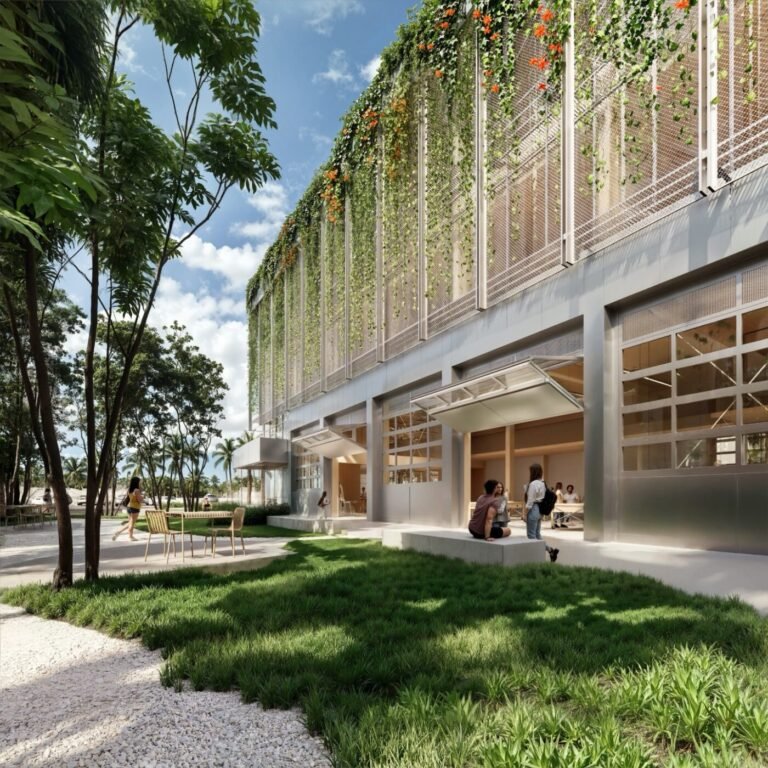
Private Schools for the Ultra-Wealthy Are Expanding in Florida. Could North Atlanta Be Next?

Logistics Company to Add 150 Jobs in Texas With 340,000-Square-Foot Expansion Near San Antonio
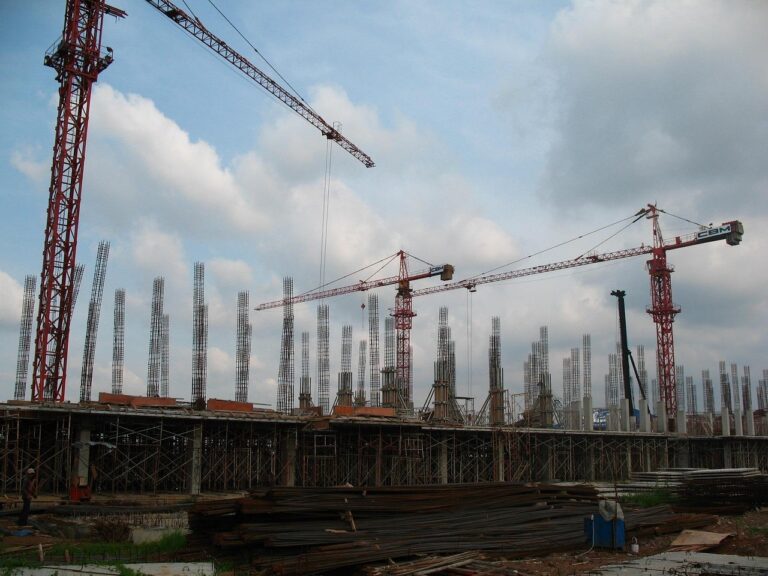
South Texas Businesses Struggle to Find Workers as Immigration Arrests Surge
Blue Origin Plans $554 Million Texas Factory, Bringing More Than 2,000 Jobs
Arizona Opens Aerospace Training Center Built to Serve 1,000 Students a Year