 Exclusive sponsor
Florida’s Migration Boom Didn’t End. It Moved Inland and Became Harder to Measure
Florida’s migration boom is evolving as more residents relocate inland to affordable counties despite slower net population gains. The state still attracts people across all adult generations and continues growing through international migration and internal moves.
Get the week’s jobs, development, housing and growth stories from across the Sun Belt in one email.
Florida’s great migration boom appears to be fading—until the moving trucks are counted.
The state gained only 22,517 more domestic residents than it lost between July 2024 and June 2025, down from 310,892 three years earlier. Florida, long at or near the top of America’s migration rankings, fell to eighth place. Even neighboring Alabama posted a slightly larger domestic gain.
Yet newer U-Haul figures present a state still pulling people south at nearly every stage of life. Florida ranked first among Generation X and millennial customers moving with the company, third among baby boomers and eighth among Generation Z. It was the only state to place among the top 10 for all four generations.
Both portraits can be true. Florida continues to attract hundreds of thousands of newcomers, including working families, established professionals and retirees. It is also losing enough existing residents—and redistributing enough people from expensive metropolitan counties into more attainable communities—to reduce its net gain dramatically.

The Florida migration story is no longer simply about how many people are arriving. It is increasingly about who can afford to remain, where newcomers settle and how much movement is taking place within the state itself.
From pandemic surge to narrow gain
Florida’s population rose by 196,680 to approximately 23.46 million during the year ending July 1, 2025, making it the nation’s second-largest numerical gain behind Texas.
Domestic migration, however, contributed only a small portion of that growth. Florida’s net gain from other states fell from 310,892 in 2022 to 183,646 in 2023 and 22,517 in 2025. International migration added another 178,674 residents during the latest period, while deaths slightly exceeded births. The Census Bureau’s 2025 population estimates show that Florida remained a rapidly growing state in raw numbers even as its old advantage over competing Sun Belt destinations nearly disappeared.
North Carolina gained roughly 84,000 domestic residents during the same period, while South Carolina added 66,622 and Texas gained about 67,000. South Carolina became the nation’s fastest-growing state by percentage, and North Carolina moved into the leading group for both percentage and numerical growth.

The shift does not mean people stopped moving to Florida. Net migration subtracts everyone leaving from everyone arriving. A state can continue receiving a large number of newcomers while producing a much smaller net gain if departures rise at the same time.
That distinction helps explain the apparent conflict between the Census and U-Haul numbers.
The Census Bureau estimates movement across the full population. U-Haul follows one-way rentals made by its own customers, including trucks, trailers and portable containers. The company’s latest analysis covers July 2025 through June 2026, one year later than the Census period, and measures the balance of its arriving and departing equipment rather than the number of all residents moving.
U-Haul therefore cannot establish that Florida’s statewide migration rate has rebounded. It does show that Florida remains deeply embedded in Americans’ moving decisions.
Florida is attracting more than retirees
The U-Haul rankings also complicate the familiar image of Florida migration as a procession of retirees heading toward golf courses and coastal condominiums.
Florida placed third among baby boomers, but it ranked first among both Generation X and millennials. Millennials and Generation X together accounted for more than 60% of the company’s one-way rentals nationwide.
Their Florida destinations reflect different stages of working and family life. Fort Myers led the country among Generation X movers, with North Port-Sarasota-Bradenton in third place. Orlando ranked third among millennials, followed by North Port-Sarasota-Bradenton in fifth, Lakeland-Winter Haven in sixth and Palm Bay-Melbourne-Titusville in eighth.
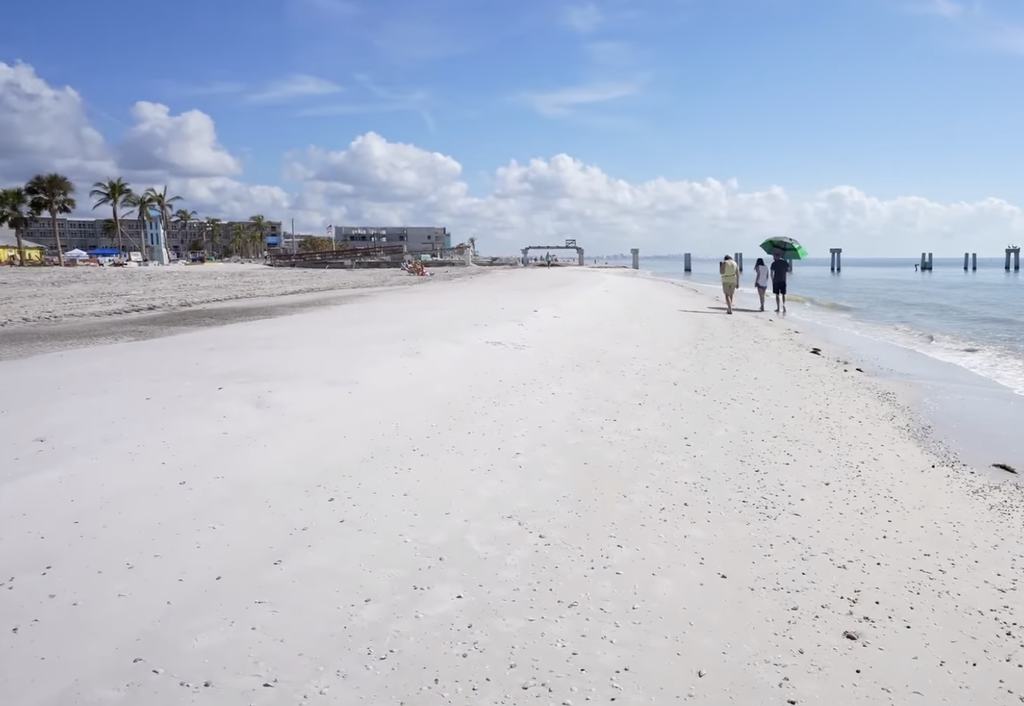
Gainesville-Ocala ranked first among baby boomers, ahead of better-known retirement destinations along the coast.
There is money behind that movement. Florida households with a primary taxpayer between ages 55 and 64 produced a net income inflow of $7.6 billion during 2023-24. These are often households approaching retirement with accumulated home equity and some of their highest earning years still ahead of them.
The strongest demand may therefore come from people who can bring income, savings or equity from somewhere else. That is good for Florida’s tax base and housing market, but it can deepen the divide between newcomers arriving with substantial resources and longtime residents whose wages have not kept pace with housing costs.
The movement is shifting away from major metros
The geography of Florida’s growth has also changed. Miami-Dade County lost nearly 73,000 more domestic residents than it gained in 2025. Broward, Orange, Hillsborough and Pinellas counties also recorded net domestic outmigration, leaving international arrivals to offset at least part of the losses in several of the state’s largest metropolitan areas.
Meanwhile, Polk, Pasco and Marion counties continued attracting domestic movers. Polk has ranked among the country’s five strongest counties for domestic migration for five consecutive years, adding between 22,000 and 34,000 domestic residents annually since 2021.
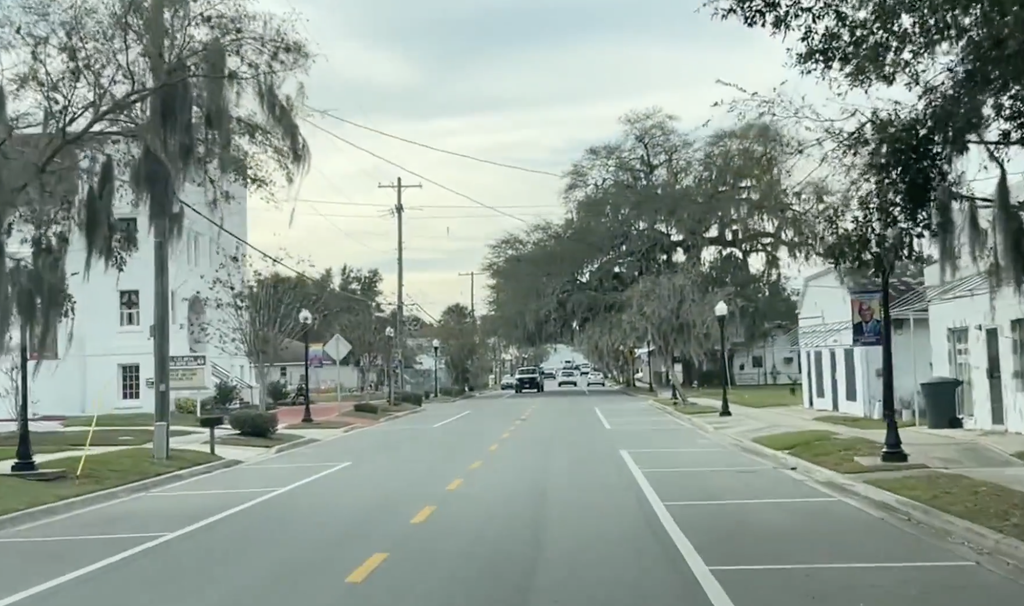
A substantial share of those residents did not arrive from New York, New Jersey or California. Earlier tax-return data indicate that approximately 59% of domestic newcomers to Polk and Pasco during the 2021-23 surge came from elsewhere in Florida. Marion County received a nearly even mixture of in-state and out-of-state arrivals.
The pattern points toward a second migration taking place behind the more visible national one. People move to Florida, and Floridians move outward from costly urban and coastal counties toward communities where new homes are still being built.
Polk County offers access to both Tampa and Orlando without requiring every household to pay either metropolitan area’s most expensive housing costs. Pasco extends the Tampa Bay growth corridor northward. Marion County and the Gainesville-Ocala area provide a lower-density alternative to South Florida and the Gulf Coast’s most expensive markets.
University of Florida housing researchers found that these mid-sized counties continued to gain residents while several large metropolitan counties lost domestic population. They connected the shift to more attainable housing and a greater supply of recent home construction. The university’s county-level analysis describes a migration map increasingly shaped by what households can still afford.
That does not necessarily make the inland move inexpensive. Rapid growth can raise land prices, crowd roads and strain schools, water systems and health care. A community that begins as the affordable alternative can quickly inherit the same pressures residents were trying to escape.
A more complicated kind of growth
Florida has not stopped growing. It added more people than every state except Texas during the latest Census period, continues to receive the country’s largest net international inflow and remains a leading destination among U-Haul customers across generations.

What has ended is the simpler version of the story.
During the pandemic-era surge, Florida’s extraordinary domestic gains supported a clear national narrative: Americans were leaving expensive states and moving south. The state’s latest numbers reveal more churn, more internal relocation and sharper differences between households.
A financially secure 58-year-old arriving with home equity can experience Florida very differently from a younger worker confronting local wages, rent, insurance and transportation costs. A family priced out of Miami or Tampa may still remain in Florida, but its move to Polk, Pasco or Marion changes where schools, roads, housing and services will be needed.
The next Florida migration ranking may rise or fall depending on whether it counts people, tax returns, moving trucks, income or address changes. None will explain the state alone.
The more consequential question is whether Florida can remain attractive not only to people with the resources to arrive, but also to the millions already living there.
If you’re tracking where the area is heading, these stories add more context.
Community Voice
A snapshot of reader views, not a scientific survey.
Explore Community Voice →About the Desk

Across the Sun Belt

Sun Belt Home Prices Are Softening, but Mortgage Rates Are Taking Back the Savings

Florida’s Home-Insurance Crisis Is Easing. That Does Not Mean It Is Over

Margaritaville Is Building Its First Texas Retirement Community Near Galveston Bay

Southern Living Is Turning Its Version of the South Into a Place People Can Buy

Sun Belt Home Prices Are Flattening. Buyers Still Can’t Afford Them