Tesla’s $10.1 Billion Solar Factory Plan Could Bring Nearly 10,000 Jobs to Texas
Tesla’s proposed $10.1 billion solar factory near Houston could bring nearly 10,000 jobs by 2033. The project awaits final site selection and regulatory approvals.
Get the week’s jobs, development, housing and growth stories from across the Sun Belt in one email.
Tesla is considering one of its biggest manufacturing investments yet: a $10.1 billion solar factory southwest of Houston that could eventually employ nearly 10,000 people.
But the plant is not a done deal. The proposed development, known as Project Crystal Sun, would occupy part of roughly 3,050 acres in Fort Bend County near Richmond and Needville. Tesla is still comparing the Texas location with another site outside the state and has not announced a final choice. The company hopes to complete its site selection before the end of 2026.
A factory much larger than a simple panel assembly plant
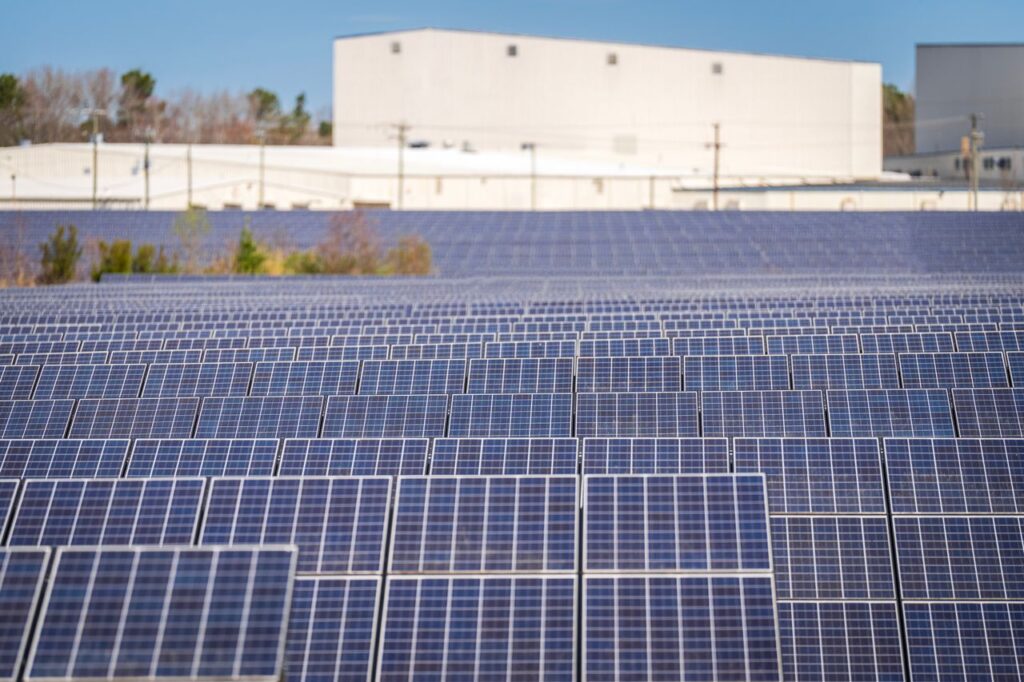
Tesla’s proposal calls for manufacturing photovoltaic solar cells and assembled solar modules, with production lines, warehouses and supporting utility infrastructure.
The scale of the investment is striking. About $1.5 billion would go toward real property, while roughly $8.6 billion would be invested in manufacturing equipment and other personal property, based on the company’s application under Texas’ Jobs, Energy, Technology and Innovation program. The Texas Comptroller’s Project Crystal Sun application file was posted in August and has since moved through the state’s incentive-review process.
If Fort Bend County is selected, commercial operations are projected to begin in the first quarter of 2029.
Tesla’s filing envisions a gradual hiring ramp rather than 10,000 workers arriving at once. Employment would build over several years and reach an estimated 9,712 permanent full-time positions by 2033. At full operation, annual payroll is projected at about $1.3 billion.
The project could also support about 1,147 construction jobs during peak building activity.
Texas has made the offer more attractive
The proposal moved forward this month when the Lamar Consolidated Independent School District Board of Trustees voted 7-0 to approve a property-tax incentive agreement.
Under the arrangement, qualifying Tesla property would be taxed at 50% of its value for the portion of school taxes used for maintenance and operations during the 10-year incentive period. The estimated savings for Tesla are about $115 million.
Tesla would continue paying the district’s separate debt-service taxes at full value. District officials have also said Texas’ school-finance system would compensate Lamar CISD for operating revenue affected by the tax limitation.
The incentive comes through Texas’ JETI economic-development program, which allows qualifying large projects to receive temporary school-property-tax value limitations when they meet investment and employment requirements.
The Texas Comptroller has already issued its recommendation on Tesla’s application. Following the school board vote, the agreement still requires action through the governor’s office before it can be executed.
Nearly 10,000 jobs would reshape this part of Fort Bend County
The employment figure is one reason Project Crystal Sun stands out.
Tesla projects 9,712 permanent positions by 2033 in an area southwest of Houston that is still considerably less developed than the region’s inner suburbs. A workforce approaching 10,000 people could bring additional housing demand, traffic and pressure for roads, utilities and other services alongside the new jobs.
Those questions have already surfaced locally. Some residents raised concerns during the incentive process about traffic, infrastructure and environmental effects, while supporters focused on the scale of the investment and the opportunity to create more high-paying jobs within Fort Bend County.
The wage numbers are also significant. Tesla’s application uses an industry benchmark of $121,953 for the average annual wage in Fort Bend County and identifies $134,148 as 110% of that figure. The projected $1.3 billion annual payroll at full employment works out to an average broadly in that range, although actual pay would vary substantially by occupation.
Tesla is making a larger move into energy
A Fort Bend factory would also broaden the story of Tesla in Texas beyond electric vehicles.
Tesla already operates major automotive and battery businesses, while its energy-storage division has been expanding rapidly. The company deployed 13.5 gigawatt-hours of energy-storage products during the second quarter of 2026, based on its latest production and deployment report.
Project Crystal Sun would push Tesla more deeply into domestic solar manufacturing, potentially giving the company greater control over another part of the energy supply chain.
What remains unknown is how much solar equipment the proposed Texas factory could produce each year. Tesla has not disclosed an annual manufacturing capacity for the Fort Bend project.
That number could ultimately be as important as the project’s price tag. A factory costing more than $10 billion and employing nearly 10,000 people would represent a major industrial commitment, but for now Texas is still competing for it.
The tax incentives are moving into place. The land has been identified. The hiring and investment plans are unusually detailed. The final decision still belongs to Tesla.
About the Author

 Build a Stronger Plan for the SAT
Edison Prep’s SAT group classes combine experienced instruction, structured preparation and practical testing strategies.
Explore SAT Classes
Build a Stronger Plan for the SAT
Edison Prep’s SAT group classes combine experienced instruction, structured preparation and practical testing strategies.
Explore SAT Classes
Across the Sun Belt
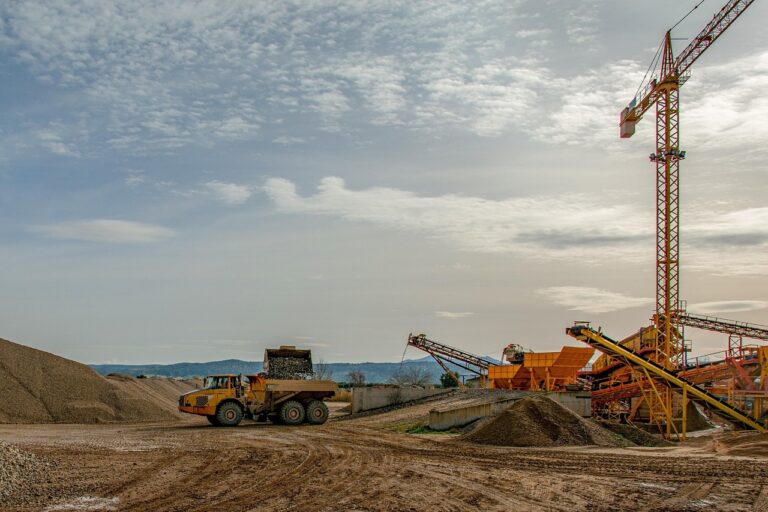
Texas and the Carolinas Lead a Concentrated Sun Belt Jobs Surge
The Sun Belt’s Battery Belt Is Losing Jobs as EV Factory Plans Shrink and Shift
The AI Boom Is Creating Factory Jobs in Tulsa to Power Data Centers in Texas

The Data-Center Boom Needs Factories, Too. This Texas Plant Is Heading Toward 4,000 Workers

A $5.8 Billion Steel Mill Is Coming to Louisiana. The Average Job Is Expected to Pay $95,000