For the first time in more than three decades, the metro Atlanta region has seen a net loss in domestic migration. Between mid-2023 and mid-2024, about 1,330 people moved out of the area, reversing decades of steady inbound relocation driven by affordability, jobs, and southern allure. While modest in number, this marks a significant moment for a region long known as a growth magnet.
Metro Atlanta’s continued growth today rests largely on international migration and a natural increase—meaning more births than deaths—rather than people moving in from other parts of the U.S. The Chamber of Commerce’s Chief Economist reassures that these components mean the region remains—and will continue to be—an attractive place to live and work.
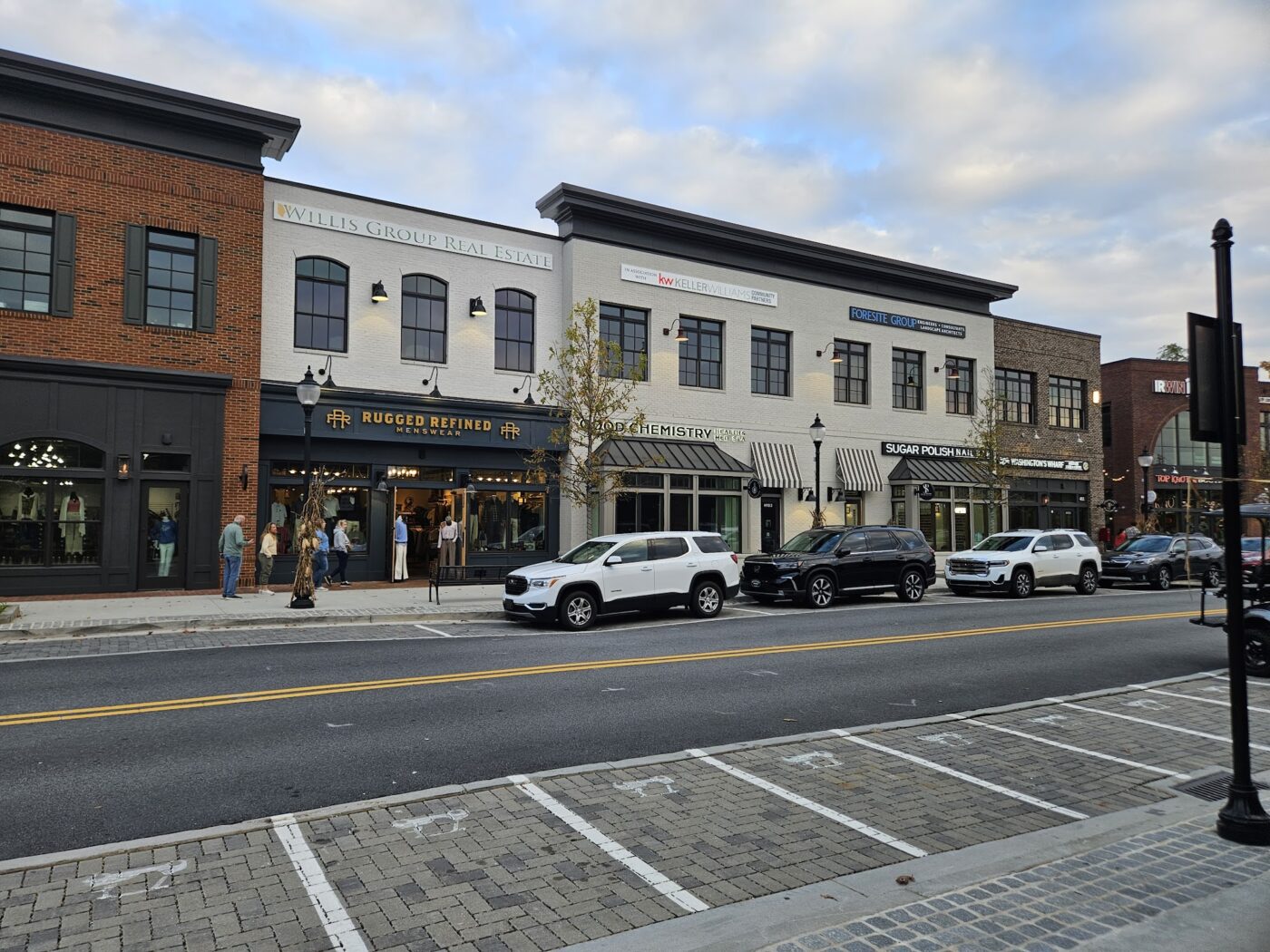
Meanwhile, in Forsyth County, a different story unfolds. It remains one of Georgia’s fastest-growing counties, with a population that has surged from about 251,283 in 2020 to an estimated 272,887 in 2023. Between 2010 and 2019, it was not just Georgia’s fastest-growing county, but the 15th fastest-growing in the entire U.S., fueled by new housing, access to job centers, Blue Ridge Mountains views, and top-tier schools. In fact, Forsyth grew around 8% between 2020 and 2023—a considerably higher rate than many core Atlanta counties.
According to the Atlanta Regional Commission, every core county in the region saw negative domestic migration, meaning more people moved out than moved in, over that year-long period. But Forsyth County bucked the trend, continuing to attract new residents via both domestic and international migration—demonstrating that the growth center is quietly shifting outward.
What This Means for the Region
- Atlanta’s long-held status as a domestic migration hotspot shows signs of softening. Factors like rising housing costs, traffic congestion, limited housing supply, and high office vacancy rates have dampened its appeal וושינגטון פוסט.
- Forsyth County, along with other exurban areas like Cherokee and Dawson, is thriving—drawing both established families and newcomers looking for more space, affordability, and quality schools.
- Forecasts show continued growth in the broader Atlanta region, projecting the metro area could reach nearly 8 million residents by 2050.
In Summary
While Atlanta proper may be seeing its domestic migration tail off, northern exurbs—especially Forsyth County—are absorbing much of that growth. Driven by a combination of affordability, lifestyle, and excellent local infrastructure, these areas look set to become the new growth engines of the region.
More on Atlanta’s population shift