 Exclusive sponsor
Milton Petition Challenges Planned Shared-Use Paths Along Rural Roads
A petition in Milton challenges plans for shared-use paths on rural roads, citing concerns about safety, rural charm, and property impacts.
Major local stories and useful updates, once a week.
A petition circulating among residents has brought renewed attention to a familiar tension in Milton: how to balance safety improvements with the city’s longstanding rural character.
The online petition, which calls on local officials to reconsider the construction of shared-use paths along several rural corridors, reflects concerns from a segment of residents who believe the project could permanently alter the look and feel of the area. The proposal, framed by the city under broader safety and connectivity initiatives, includes plans for multi-use pathways along roads such as Freemanville, Hopewell, and Redd.
Supporters of the petition describe Milton as a place defined by its open landscapes, equestrian properties, and low-density development. For them, the introduction of wide paved paths represents more than a transportation upgrade—it signals a shift in identity. Some residents argue that cutting into roadside edges could remove mature trees, affect drainage patterns, and bring infrastructure closer to private property lines than many are comfortable with.
Several comments highlighted in the petition emphasize a desire to “keep Milton as it is,” pointing to the city’s rural heritage as a central reason people chose to live there. Others raise practical concerns about safety, noting that vehicle speeds on certain roads may limit the effectiveness of shared-use paths unless broader traffic-calming measures are also considered.
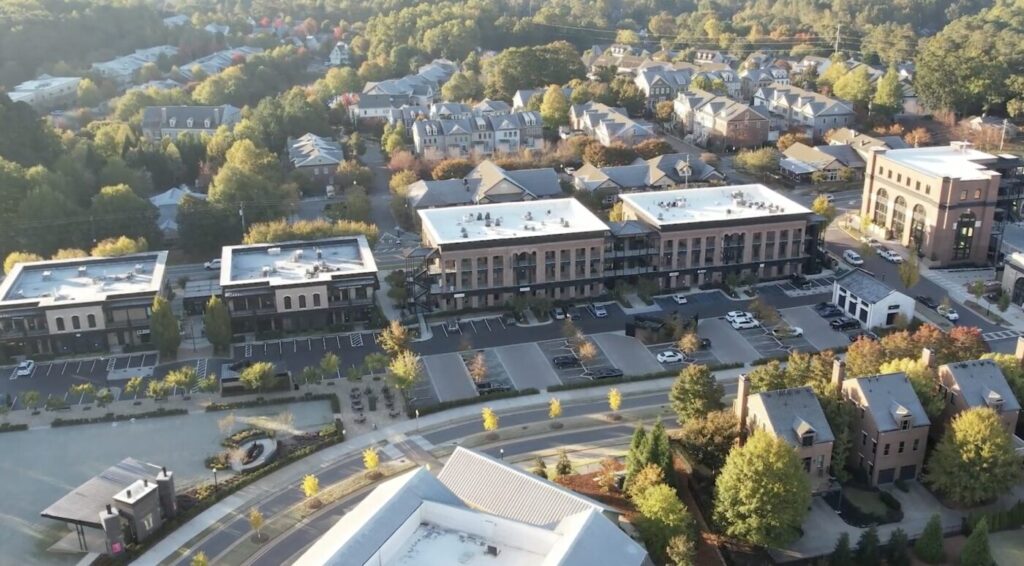
At the same time, the project is part of a longer-term vision to improve pedestrian and cyclist access across the city. Local officials have previously described such initiatives as steps toward safer mobility, particularly for residents who want alternatives to driving. In many suburban communities, similar pathways have been introduced to connect neighborhoods, parks, and schools.
The debate in Milton reflects a broader pattern seen across growing suburban areas, where infrastructure improvements often intersect with questions about preservation.
The petition also encourages civic participation beyond signatures, urging residents to attend city council meetings or contact elected officials directly. Contact information for the mayor and council members is included, underscoring the role of local decision-making in shaping the outcome.
As discussions continue, the issue is likely to remain a point of active engagement within the community. Whether the project moves forward as planned, is modified, or faces delays may depend not only on technical considerations, but also on how the city weighs competing priorities—growth, safety, and the preservation of character that many residents say defines Milton.
If this felt close to home, these stories may be worth your time too.
Community Voice
A snapshot of reader views, not a scientific survey.
Explore Community Voice →About the Author


In North Atlanta

Burger King’s Comeback Faces a North Atlanta Test
What North Atlanta Should Know Today: 10 Stories for Saturday, July 25

Johns Creek Native to Lead Medley’s Concierge Team Ahead of October Opening
Milton Creates a New Power Center for Deerfield’s Transformation

Music Milton Opens Second Season With Mozart Concert October 10
Johns Creek’s New Boardwalk Earns a State Award Before Its First Fall Season
IN NORTH ATLANTA