Phoenix Can Survive the Colorado River Cuts. The Water Fix Won’t Be Cheap
Phoenix braces for reduced Colorado River water by investing billions in infrastructure, including pipelines and wastewater recycling. These moves help secure water reliability but bring financial challenges as the city grows.
Get the week’s jobs, development, housing and growth stories from across the Sun Belt in one email.
 Exclusive sponsor
Phoenix is about to get less water from the Colorado River. That does not mean 1.7 million residents are about to turn on their faucets and find them dry. The city has spent decades preparing for this moment, building pipelines, storing water underground and maintaining access to other rivers.
The harder question is what comes next. Phoenix is entering an era in which keeping water reliable requires projects measured not in millions of dollars, but billions.
The city’s current six-year drinking-water capital program totals more than $9.1 billion. About $1 billion of that is specifically devoted to Colorado River resilience, alongside billions more for treatment plants, pipelines, pumps and storage.
The challenge is increasingly financial as much as hydrological. Phoenix has shown that a desert city can prepare for less water. Now it has to pay for it.
Arizona is taking a much larger cut
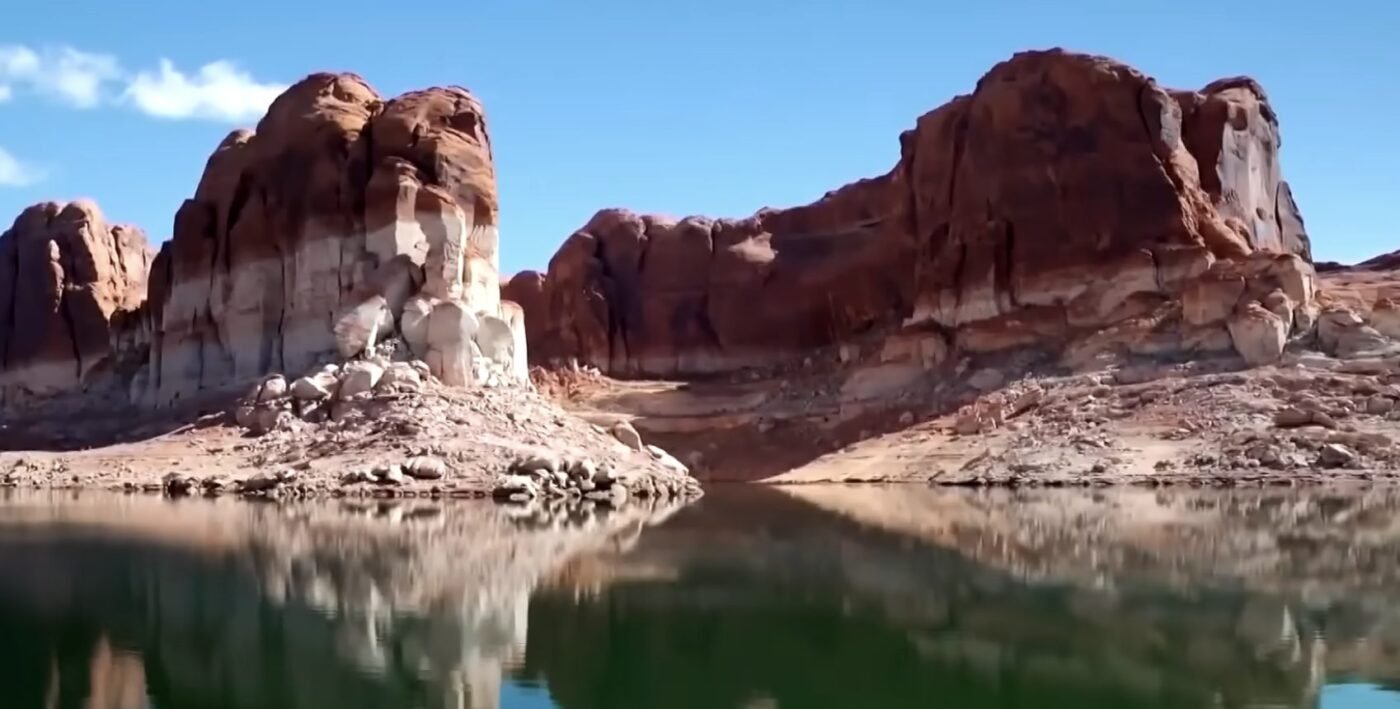
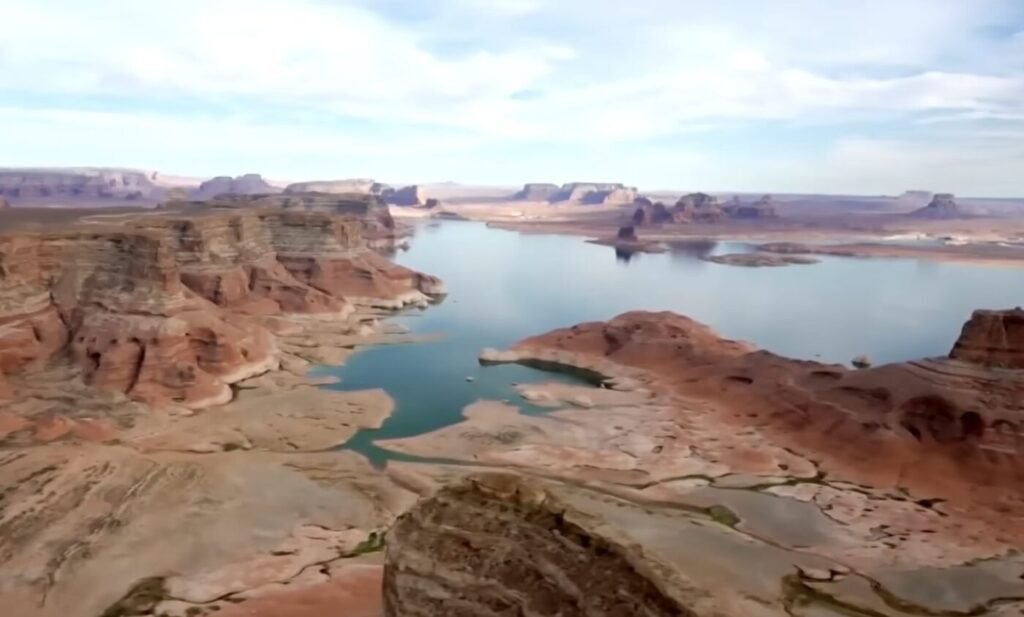
The federal government finalized new Colorado River rules Aug. 21 that will reduce deliveries to the Lower Basin by 1.25 million acre-feet in 2027.
Under the agreement proposed by the three Lower Basin states, Arizona would absorb 760,000 acre-feet of that reduction. California would take a 440,000-acre-foot cut and Nevada 50,000. Similar reductions are planned for 2028, although the exact allocation will depend partly on conditions in the river system.
Those are statewide numbers. Phoenix has not said that it personally will lose 760,000 acre-feet. The city is still determining exactly how Arizona’s reduced allocation will affect its own supply.
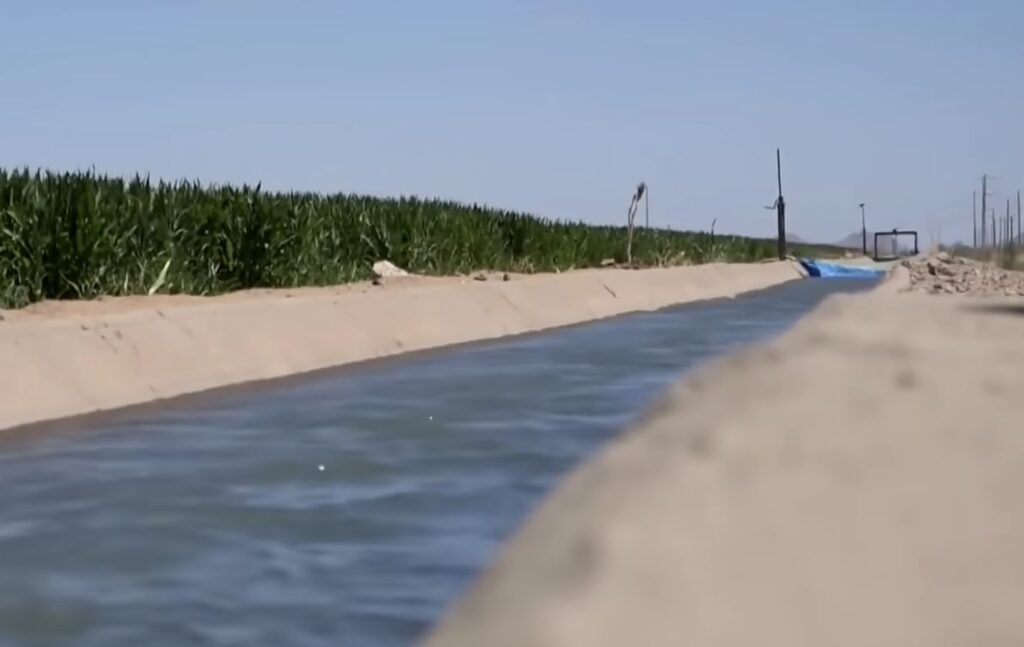
But the Colorado River currently provides about 40% of the drinking water Phoenix uses. Another 58% comes from the Salt and Verde rivers, with groundwater supplying roughly 2%.
That mix is one reason Phoenix is in a stronger position than communities that depend almost entirely on the Colorado. The city can move between sources. Doing that requires infrastructure.
Phoenix already spent $300 million to move water across the city
One of the biggest examples is a project most residents will rarely notice.
For years, more than 400,000 people in north Phoenix received almost all of their drinking water from the Colorado River. Water from the Salt and Verde rivers could not easily reach them because of the way the city’s water system had developed.
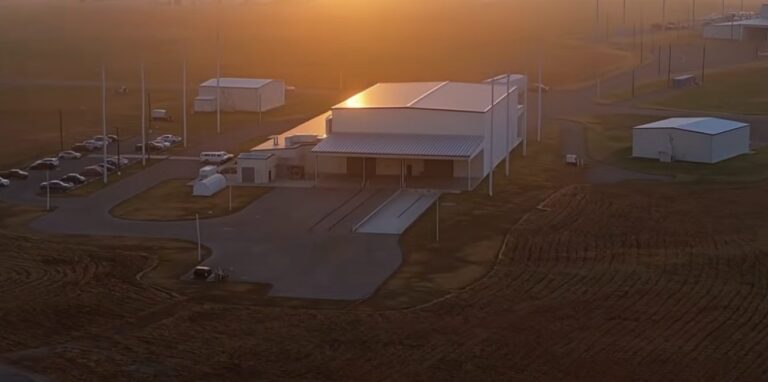
Phoenix responded with its Drought Pipeline Project. The roughly $300 million system allows Salt and Verde river water to move into neighborhoods that had depended heavily on Colorado River supplies.
It is exactly the kind of investment that changes what a drought means. Without the pipeline, losing Colorado River water could create a localized supply problem. With it, the city has another option.
That does not create new water. It allows Phoenix to move the water it already has to where it is needed. And it provides a preview of the infrastructure-heavy future facing desert cities.
The next source may be water Phoenix has already used
Phoenix is also preparing to turn wastewater into drinking water. The city’s Pure Water Phoenix program will use advanced treatment to produce drinking water from highly treated wastewater that would otherwise have other uses.
Three planned facilities are expected eventually to produce more than 50,000 acre-feet of renewable water each year. The first major project is taking shape at the former Cave Creek Water Reclamation Plant in north Phoenix.
When its initial phase begins operating, the facility is expected to produce nearly 7 million gallons of purified drinking water every day — enough for about 25,000 households.
Phoenix is also exploring additional storage on the Verde River through modifications to Bartlett Dam and working with Tucson on programs that could create emergency reserves and new water-sharing arrangements.
None of these projects alone replaces the Colorado River. Together, they make Phoenix less dependent on any single source.
A $9 billion water program
The scale of the spending shows how much the equation has changed. Phoenix’s current drinking-water capital program covers fiscal years 2025 through 2031 and totals about $9.13 billion.
Treatment projects account for about $5.58 billion.
Pipelines account for another $1.52 billion.
Colorado River resilience represents about $1 billion.
Storage, pumps, technology and other infrastructure make up much of the rest.
Not all of that spending is caused by drought. Phoenix is a growing city with thousands of miles of pipes and large treatment systems that have to be maintained and replaced regardless of Colorado River conditions.
But water scarcity is adding another expensive layer. The city is no longer simply maintaining the system it has. It is redesigning parts of that system around a future in which one of its major water sources is less dependable.
Phoenix still expects to grow
That matters because Phoenix is not planning for a shrinking city. It serves more than 1.7 million people across 543 square miles. Its water system includes five treatment plants, about 7,200 miles of water mains, 19 active drinking-water wells and storage capacity approaching half a billion gallons.
The metropolitan area continues to add housing, industrial facilities and businesses. For decades, one of the central questions surrounding growth in Phoenix was whether the desert had enough water for all those people.
The answer from city officials remains yes. Phoenix has diversified supplies, stored water, reduced per-capita consumption and invested heavily in infrastructure. City officials say the new federal cuts do not require immediate restrictions on residents or businesses.
But “enough water” and “cheap water” are not the same thing. A city may be able to find another supply, reuse an existing one or transport water from another part of its system. Each solution has a price.
Eventually, the cost reaches the customer
Phoenix water rates already help finance infrastructure investment and maintenance. As the city builds more treatment capacity, pipelines, storage and drought protections, residents and businesses ultimately help pay for those systems through water and sewer charges, borrowing and other public financing.
That does not mean a particular Colorado River cut translates directly into a particular increase on the monthly bill.
It means that maintaining the reliability Phoenix has built requires sustained capital spending on a scale that would have been difficult to imagine when much of the city’s water system was first constructed.
And Phoenix is unlikely to be alone. Las Vegas has spent heavily on infrastructure that allows it to draw water from Lake Mead at historically low levels. Southern California continues to invest in recycling, storage and imported-water alternatives. Other fast-growing Western cities face their own combinations of groundwater restrictions and uncertain river supplies.
The old question was whether people should keep moving to the desert. A more useful question now may be what it costs to make that growth work. Phoenix has already demonstrated that a city can engineer its way through serious water constraints.
The next test is whether it can keep doing so without making one of life’s most basic necessities significantly more expensive.
If you’ve been following growth and change around here, these stories are worth a look too.
About the Desk

Across the Sun Belt

The Next Sun Belt Highway May Carry Power, Water and Data Alongside Cars
South Texas Businesses Struggle to Find Workers as Immigration Arrests Surge

Waymo’s Texas Robotaxi Fleet Grew 49% in Three Weeks

How 4.5 Million Border Migrants Reshaped the Sun Belt’s Population Map

The Sun Belt’s Battery Belt Is Losing Jobs as EV Factory Plans Shrink and Shift

Sprouts Is Following Sun Belt Growth Into the Next Ring of Suburbs
Community Voice
A snapshot of reader views, not a scientific survey.
Explore Community Voice →