Exclusive sponsor
South Texas Businesses Struggle to Find Workers as Immigration Arrests Surge
South Texas businesses along the Texas-Mexico border struggle with worker shortages amid a steep rise in immigration arrests, affecting construction and farming sectors in the Rio Grande Valley.
Get the week’s jobs, development, housing and growth stories from across the Sun Belt in one email.
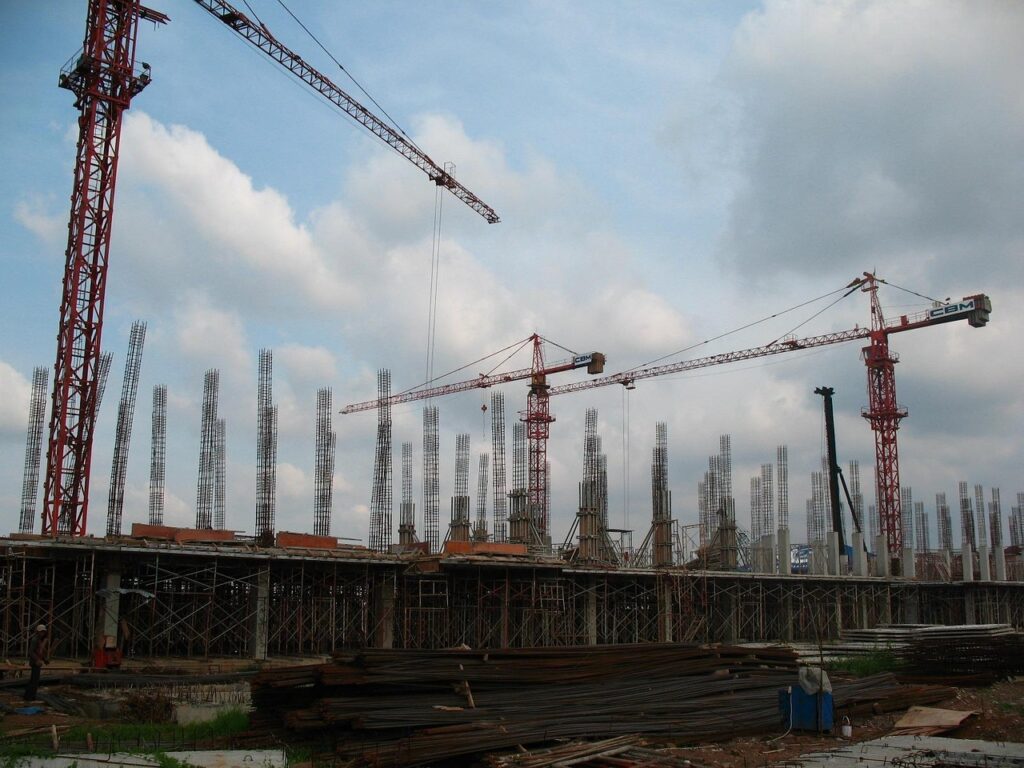
Construction projects are stalling, farms are losing workers and businesses along the Texas-Mexico border are struggling to fill positions as immigration enforcement intensifies across the Rio Grande Valley.
Federal immigration arrests outside jails in South Texas have increased dramatically, from approximately 400 in 2024 to more than 9,000 during 2026.
Nearly 80% of people arrested in community enforcement operations by Immigration and Customs Enforcement's Harlingen office since President Donald Trump returned to office had no criminal record, a Washington Post analysis of federal data found.
The economic effects are becoming visible in communities that have long depended on immigrant labor in construction, agriculture and transportation.
Construction projects are slowing
Employment in construction and related industries in the Brownsville-Harlingen metropolitan area fell approximately 5% over the past year, while Cameron County's labor force contracted by nearly 2%.
The Bureau of Labor Statistics' regional employment figures confirm the decline in construction-related employment.
Local builders say some residential projects have been delayed for months as crews lose workers or employees avoid job sites because they fear immigration arrests.
Replacing those workers has proved difficult.
Many American citizens working in construction already travel north to San Antonio or Houston, where wages are generally higher. Employers in the Rio Grande Valley say they have struggled to attract enough replacements at prevailing local wages.
The slowdown is also affecting businesses that supply building materials and services to contractors.
Agriculture is losing workers, too
Farms across four South Texas border counties experienced a 13% decline in agricultural employment during the year ending in March, even as farm employment statewide remained relatively stable.
That decline began before the current enforcement campaign, but accelerated during 2025.
Transportation businesses have faced additional challenges following restrictions on commercial driver's licenses for certain immigrants.
The Trump administration maintains that stronger immigration enforcement protects American workers, supports higher wages and strengthens public safety.
But employers in South Texas say the departure of undocumented workers has not automatically produced enough applicants to fill the available positions.
An economic dilemma along the border
The labor shortages have prompted discussions about temporary guest-worker arrangements that could allow employers to hire workers legally for construction and other industries.
Business representatives have also raised concerns directly with federal officials about the economic consequences of enforcement operations.
The issue extends beyond the workers being arrested.
When construction projects stall, suppliers lose business and new homes take longer to complete. When farms cannot recruit enough labor, production can suffer.
The precise share of the employment decline caused by immigration enforcement remains uncertain. Higher operating costs, changing demand and broader economic conditions can also affect hiring.
Still, the combination of sharply increased arrests and shrinking employment has created a difficult situation for South Texas businesses.
The region is confronting a question that could eventually reach other parts of the Sun Belt: how to maintain industries that depend heavily on immigrant workers while enforcing federal immigration laws.
Community Voice
A snapshot of reader views, not a scientific survey.
Explore Community Voice →About the Author

Across the Sun Belt

Phoenix Can Survive the Colorado River Cuts. The Water Fix Won’t Be Cheap
Sprouts Is Following Sun Belt Growth Into the Next Ring of Suburbs

The Next Sun Belt Highway May Carry Power, Water and Data Alongside Cars

Elon Musk Is Building Something Close to a Company Town on the Louisiana Coast
Texas and the Carolinas Lead a Concentrated Sun Belt Jobs Surge