 Exclusive sponsor
Why Poll Chaplains Will Stand Outside Voting Sites in Five Sun Belt States
Faith leaders and volunteers will help ease tensions at polling places in five Sun Belt states on Election Day. The program is designed to support voters without interfering in election procedures.
Get the week’s jobs, development, housing and growth stories from across the Sun Belt in one email.
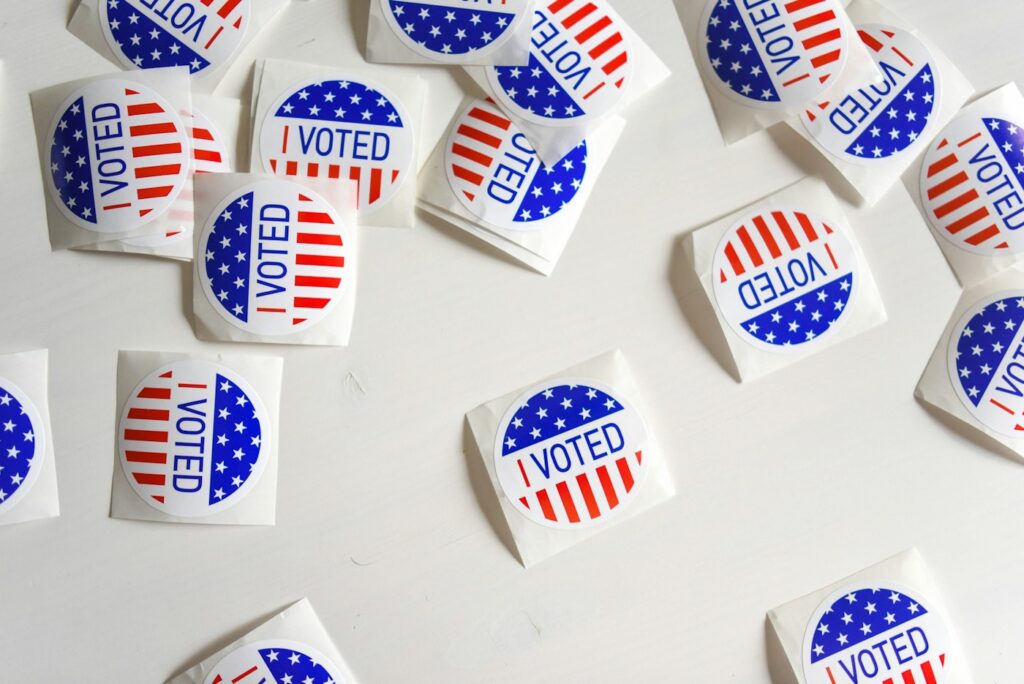
Voters arriving at some polling places on Nov. 3 may see a minister, rabbi or lay volunteer standing outside in identifying clothing. The volunteers are not election workers or candidates. Their assignment is to keep tensions from escalating and help people reach the polls without fear.
The effort is called the poll-chaplain and peacekeeper program. It is organized by Faiths United in Saving Democracy, an interfaith coalition that is coordinating volunteers in nine states. Five are in the Sun Belt: Arizona, Georgia, North Carolina, Texas and Virginia.
By Oct. 19, the coalition had recruited 1,235 people nationwide, a figure confirmed in recent reporting by The Associated Press. It is a recruitment total, not a verified count of people who will ultimately be stationed at polling places on Election Day.
What a poll chaplain can—and cannot—do
Ordained religious leaders are called poll chaplains, while lay volunteers may serve as peacekeepers. They are trained to remain calm, listen, and try to reduce confrontations outside voting locations. The coalition says participants will wear identifiable hats or vests rather than blend into a crowd.
The organization’s volunteer guidelines tell participants not to put themselves in danger and to follow lawful directions from election officials and police. Volunteers may use the national Election Protection hotline, 1-866-OUR-VOTE, when they encounter problems such as a voter challenge or malfunctioning equipment.
The volunteers do not determine voter eligibility, administer ballots or replace trained election workers. They are also subject to the rules governing activity near polling locations, including restrictions that vary by state. Those boundaries matter: the program is intended to reassure voters, not interfere with the election itself.
Why faith leaders are preparing for Election Day
The coalition describes its work as nonpartisan, but it operates in a politically charged environment. Organizers are concerned that confrontations, intimidation or fears about immigration enforcement could deter eligible people from voting.
Federal officials have said immigration agents are not planning a general presence at polling sites, while leaving open the possibility of action in a specific law-enforcement matter. The distinction between those statements and rumors of widespread polling-place operations is important for voters who may already be anxious about going to cast a ballot.
Training has taken place both in person and online. In Scottsdale, Arizona, faith leaders joined a session earlier this month that brought participants from different religious backgrounds together to prepare for tense encounters. Similar organizing is underway in other participating states.
The coalition’s 2026 plan directs volunteers toward designated locations where organizers believe voters may need additional reassurance. It also emphasizes understanding state voting rules and finding the right election officials or legal resources when a problem arises.
From Black churches to an interfaith coalition
The program grew out of Turnout Sunday, a voter-education effort rooted in historically Black churches that began in 2014. The coalition later expanded its work to include Jewish, Muslim, Christian and other religious and secular participants.
That history helps explain the name. A poll chaplain does not hold an official electoral post, and the role is not necessarily about offering religious counsel. It draws on the public presence of faith leaders whom community members may recognize and trust.
The wider nine-state effort also includes Michigan, Ohio, Pennsylvania and Wisconsin. Organizers say they are placing volunteers in areas where tensions or confusion might make voting harder, rather than sending them to every precinct.
Whether poll chaplains can consistently remain neutral, stay within polling-place rules and defuse rather than attract confrontations will be tested in practice on Nov. 3. For voters, the most important distinction is clear: these volunteers can offer support outside a voting site, but responsibility for running the election remains with election officials.
Community Voice
A snapshot of reader views, not a scientific survey.
Explore Community Voice →About the Desk
Across the Sun Belt
Three Southern States Sue to Stop Abortion Pills From Crossing State Lines
North Carolina Expands Parental Leave, Speeds Path to Permanent State Jobs
The Ensign GroupEnsign Enters Florida With Nine Nursing Facilities Across the State
10 of 11 States Above the National Poverty Rate Are in the South
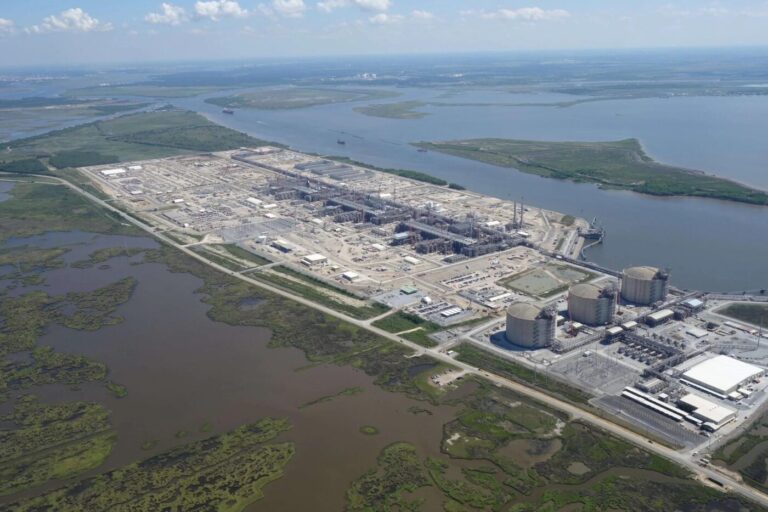
Louisiana’s $1.6 Billion Energy Hub Will Create 23 Direct Jobs. What Does the State Get in Return?