Louisiana’s $1.6 Billion Energy Hub Will Create 23 Direct Jobs. What Does the State Get in Return?
Louisiana’s Black Bayou Energy Hub will invest $1.6 billion to expand gas storage infrastructure, creating 23 permanent jobs and numerous construction roles. This project strengthens the Gulf Coast LNG corridor despite a small long-term workforce.
Jobs, development, business, housing and growth stories from across the Sun Belt.
Louisiana has landed another billion-dollar energy project along its Gulf Coast. The number of permanent jobs attached to it is 23.
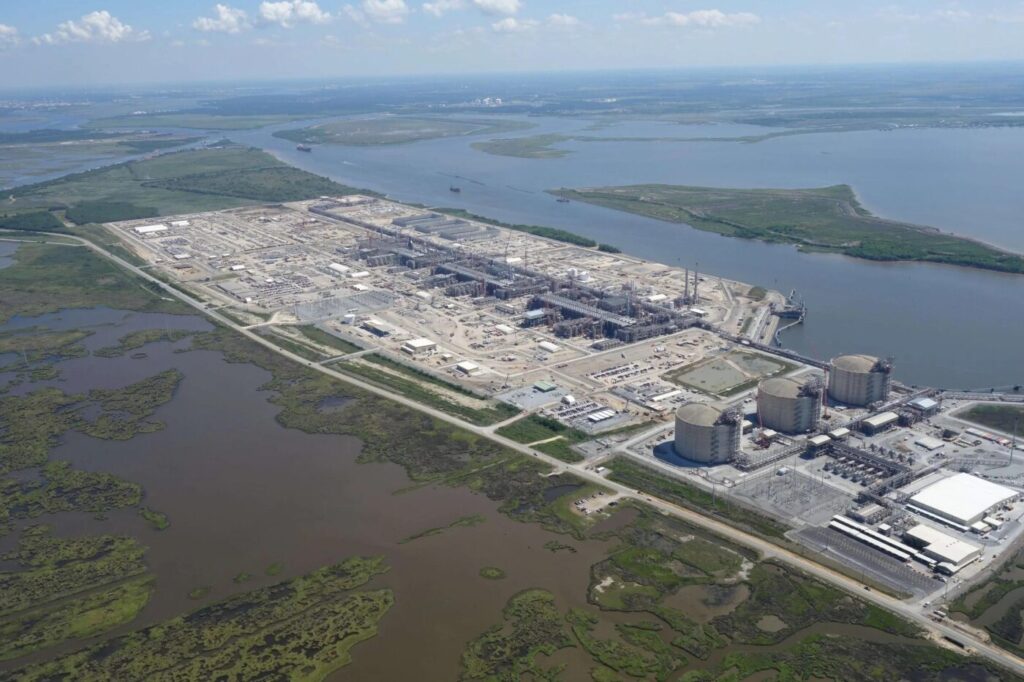
Black Bayou Energy Hub plans to invest $1.6 billion to expand its Lafayette headquarters and build natural-gas storage and transportation infrastructure in Cameron Parish, strengthening a corridor already crowded with LNG terminals, pipelines and industrial development.
The project is expected to support more than 1,000 construction jobs at its peak. Once operating, however, it is projected to create 17 direct jobs in Cameron Parish and six in Lafayette, while retaining five existing positions. Louisiana Economic Development estimates another 35 indirect jobs could result from the investment.
That contrast raises a broader question that increasingly follows modern industrial development across the Sun Belt: when a project requires enormous capital but relatively few permanent workers, how should its value to the public be measured?
A major piece of Louisiana’s LNG infrastructure
Black Bayou is developing its project around the Black Bayou salt dome in Cameron Parish, with related infrastructure extending into neighboring Calcasieu Parish.
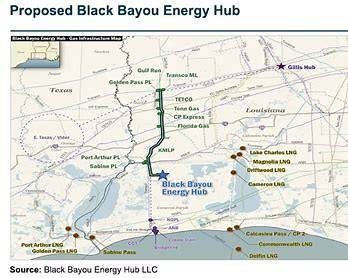
The company plans to use underground salt caverns and associated pipelines to store, move, blend and balance natural gas for LNG exporters, utilities, power generators and other large customers across the Gulf Coast.
Thinking About Moving to the Carolinas?
A short scouting trip can help you experience the neighborhoods, commutes and everyday character of a possible new home. Compare places to stay in several of the Carolinas’ fastest-growing destinations.
North Atlanta Star may earn a commission when readers book through these links, at no additional cost to the traveler.
The proposed facility would hold more than 55 billion cubic feet of natural gas and include a dual-pipeline system that can inject and withdraw gas simultaneously. Black Bayou says the site could eventually accommodate as many as 30 storage caverns.
Its location is strategic. The project sits within 25 miles of Port Arthur and Lake Charles and near more than 30 billion cubic feet per day of LNG export capacity and more than 15 major natural-gas pipelines.
Construction is expected to begin in the fourth quarter of 2026, with commercial operations targeted for late 2028.
The permanent payroll will be small
The six new Lafayette headquarters positions are expected to pay an average of about $195,000 a year.
Louisiana has not yet published a comparable average salary for the 17 positions planned in Cameron Parish.
The relatively small workforce is not unusual for infrastructure of this kind. Natural-gas storage facilities are highly automated and capital-intensive, meaning much of the money goes into caverns, pipelines, compressors, processing systems and other physical infrastructure rather than large operating staffs.
That is why the project’s economic impact cannot be judged on permanent headcount alone.
Black Bayou expects more than 1,000 construction workers at peak activity, and a project of this size can generate work for engineering firms, contractors, equipment suppliers, transportation companies and other businesses during the buildout.
Once completed, it could also support LNG terminals and manufacturers that depend on reliable access to natural gas.
Still, 23 direct jobs from a $1.6 billion investment is a striking ratio.
Louisiana is putting public incentives behind the project
The state offered Black Bayou a package that includes workforce assistance through LED FastStart and $1 million through the Economic Development Award Program for infrastructure improvements.
The company is also expected to participate in Louisiana’s High Impact Jobs Program and Industrial Tax Exemption Program.
The final value of those tax incentives has not been publicly established. Cameron Parish officials have already considered an Industrial Tax Exemption recommendation tied to part of the project. An August special meeting listed an estimated capital investment of about $685 million for the Black Bayou gas-storage development being considered for that exemption.
If a project creates relatively few permanent positions, the case for incentives depends more heavily on construction activity, local contracting, tax revenue after exemptions expire, infrastructure improvements and the value the facility provides to other employers.
Louisiana has seen this debate before
Louisiana has attracted tens of billions of dollars in energy and manufacturing investment during the past decade, particularly along the Gulf Coast.
But large capital announcements have not always produced equally large employment gains.
A 2026 analysis by The Data Center found that Louisiana received about $90 billion in energy and manufacturing capital investment between 2015 and 2025 while employment across the state grew only about 0.18%, far below the national rate during the same period.
That does not mean the investments produced no economic benefit. Industrial projects generate tax revenue, exports, construction work and business for suppliers even when their permanent payrolls are small.
But it does complicate the familiar economic-development shorthand of presenting a large investment figure alongside a job count as though the two necessarily rise together.
Black Bayou is an unusually clear example. A $1.6 billion project will create infrastructure capable of moving and storing enormous volumes of natural gas and could strengthen one of the country’s most important LNG corridors.
It may also create only 23 direct new jobs. For Louisiana, the measure of success will therefore depend less on how many people ultimately work behind the gates and more on what the project contributes around them.
About the Author

Across the Sun Belt
Gas Prices Near $4.50 as Sun Belt Drivers Face a Costly Fall

A New Aircraft Hub Brings 400 Jobs to Eastern North Carolina

Georgia’s Battery Belt Is Changing, but It Is Not Disappearing

Livestock Trade Is Reopening as Texas Continues Fighting Screwworm

The Sun Belt’s Battery Belt Is Losing Jobs as EV Factory Plans Shrink and Shift