 Exclusive sponsor
Starbucks Settlement in Florida Will Change Employment Rules Nationwide
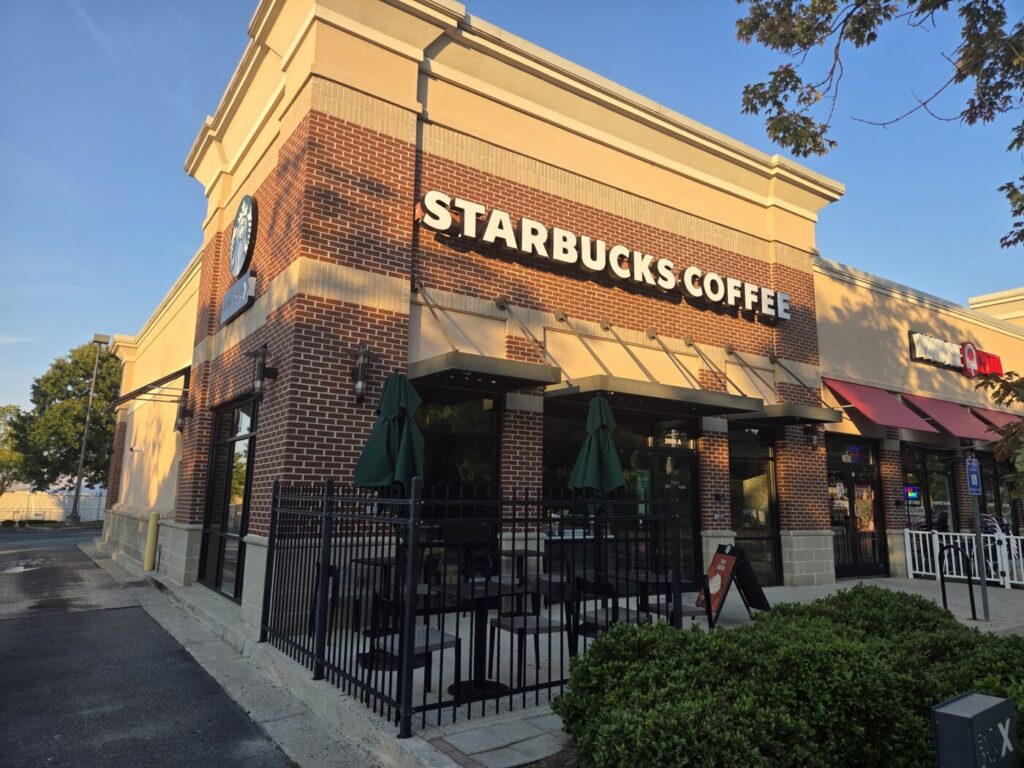
Starbucks has settled a Florida discrimination lawsuit, agreeing to stop using race or sex-based employment quotas. The settlement applies across all U.S. Starbucks locations and includes compliance commitments for the next four years.
Get the week’s jobs, development, housing and growth stories from across the Sun Belt in one email.
A lawsuit filed in Florida is bringing nationwide changes to employment policies at Starbucks, including new commitments governing hiring, promotions and pay.
Starbucks has settled a discrimination lawsuit brought by Florida Attorney General James Uthmeier, agreeing that it will not use race- or sex-based quotas or preferences when making employment decisions.
The agreement applies to Starbucks operations across the United States, according to the Florida attorney general’s office.
Starbucks denied wrongdoing. The company will also pay $1 million to the Florida Department of Legal Affairs for litigation costs and submit annual certifications of compliance for the next four years.
For a company with thousands of U.S. locations, the agreement turns a state lawsuit into a national workplace-policy change.
What Starbucks Agreed To
Florida sued Starbucks in December 2025, alleging that some of the company’s diversity policies violated the state’s anti-discrimination law.
The state challenged practices it said included racial targets and the use of diversity goals in executive compensation.
Under the settlement announced Thursday, Starbucks agreed not to adopt race- or sex-based quotas or preferences in decisions involving hiring, promotion and compensation.
The agreement also restricts Starbucks from participating in organizations that require companies to increase racial diversity on their corporate boards.
Starbucks said it would continue focusing on providing jobs and career opportunities to its employees.
One State Case, Nationwide Reach
The geographic reach of the agreement is what makes the settlement particularly significant. Rather than limiting the commitments to Starbucks locations in Florida, the terms will apply across the company’s U.S. operations.
That means employment practices developed at the corporate level will have to comply with the settlement whether a Starbucks employee works in Florida, Georgia, Texas, North Carolina or elsewhere in the country.
The agreement also creates an ongoing compliance requirement. Starbucks must provide annual certifications for four years confirming that it is following the terms.
Companies Are Reexamining Workplace Programs
The Starbucks case comes as major employers continue to reassess corporate diversity programs amid legal challenges over how those programs interact with federal and state anti-discrimination laws.
Companies can continue efforts intended to broaden recruiting and workplace opportunity, but employment decisions themselves cannot unlawfully favor or disadvantage workers because of protected characteristics such as race or sex.
Exactly where particular corporate programs fall within those boundaries has become the subject of litigation around the country.
A similar lawsuit against Starbucks brought by Missouri was dismissed by a federal judge earlier this year. Missouri is appealing that decision.
The Florida case ended differently, with Starbucks choosing a settlement that establishes commitments extending well beyond the state where the lawsuit originated.
For Starbucks employees and job applicants across the Sun Belt and the rest of the country, that nationwide reach is the most immediate consequence: a legal dispute that began in Florida will now help shape how one of America’s largest consumer brands handles employment decisions across the United States.
If you’ve been following growth and change around here, these stories are worth a look too.
Community Voice
A snapshot of reader views, not a scientific survey.
Explore Community Voice →About the Desk

Across the Sun Belt

Florida Home Insurance Rates Are Finally Falling for Thousands of Homeowners
How 4.5 Million Border Migrants Reshaped the Sun Belt’s Population Map

Dental Hygienist Shortage Exposes Wide Gaps Across the Sun Belt
Anti-Sharia Bills Surge Across U.S. as States Debate Religious Law

Isaias Leaves More Than 750,000 Without Power After Striking Florida