Arizona Added 22,700 Jobs as Its Labor Force Shrunk by 121,241
Arizona payroll jobs rose by 22,700 over the year to September, while the estimated labor force fell by 121,241. The figures come from different surveys and do not establish why the labor force shrank.

Get the week’s jobs, development, housing and growth stories from across the Sun Belt in one email.
Arizona employers had 22,700 more payroll jobs in September than a year earlier. Yet the number of people in the state’s labor force fell by 121,241 over the same period, a striking contrast in a state long associated with population and employment growth.
Arizona’s September employment report places the year-over-year increase in nonfarm payroll employment at 0.7%. The state’s seasonally adjusted labor force, meanwhile, declined 3.2%, and its unemployment rate remained at 4.9% in September.
Those numbers do not mean 121,241 workers left Arizona or stopped working. They are produced by different surveys, track different things and must be read carefully before drawing conclusions about why the workforce changed.
How jobs can grow while the labor force falls
Payroll employment counts positions at employers. The labor-force measure counts residents who are employed or actively looking for work. Someone holding two jobs may appear twice in the payroll count but once in the household measure. Workers who retire or stop seeking work leave the labor force even if they remain in the state.
Arizona’s employer payrolls added 23,700 positions from August to September on a not-seasonally-adjusted basis. Over the year, private payrolls increased while government jobs declined. The headline figures therefore point to modest hiring growth occurring alongside a much larger contraction in the separate labor-force estimate.
The two surveys are also subject to revisions. A single year’s change should not be treated as proof of an exodus, an immigration shock or a sudden collapse in worker participation without further evidence.
Why the difference matters
Arizona’s economy depends on workers in construction, health care, tourism, logistics and technology manufacturing. If employers continue to add jobs while fewer residents are available or willing to take them, competition for qualified workers could increase. But if the household survey is capturing temporary measurement volatility, the long-term consequences may be smaller.
County conditions vary considerably. September’s local data showed unemployment in Maricopa County near 4.1%, while Yuma County was at 14.5%, reflecting how different local and seasonal labor markets can be within the same state.
The Bureau of Labor Statistics’ state employment figures provide a useful comparison across states, but they do not identify a single cause for Arizona’s decline.
The next test will be whether the labor-force decrease persists after revisions and whether participation rates, demographic changes and migration estimates point in the same direction. For job seekers and employers alike, the question is not simply how many jobs Arizona has created but how many people are ready to fill them.
Community Voice
A snapshot of reader views, not a scientific survey.
Explore Community Voice →About the Desk

Across the Sun Belt

FedEx Plans $54.5 Million Expansion Near Houston, With 300 Jobs

Scout Motors Suppliers Plan 200 Jobs and $82 Million in South Carolina Expansions
South Texas Businesses Struggle to Find Workers as Immigration Arrests Surge

Rebuild Manufacturing Plans 150 New Jobs in Rock Hill, With Factory Opening Expected in November
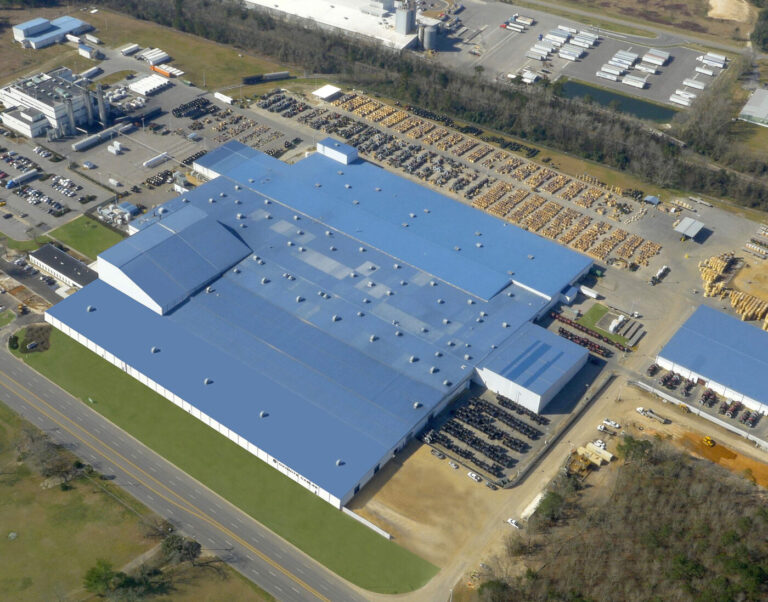
A $400 Million South Carolina Factory Expansion Will Create 105 Jobs