 Exclusive sponsor
Westinghouse Begins $1 Billion Nuclear-Fuel Expansion in South Carolina
Westinghouse is expanding its South Carolina nuclear fuel factory with a $1 billion investment to produce fuel that extends reactor operating cycles. Construction is underway with production expected by 2030, supporting jobs and economic growth in Richland County.
Get the week’s jobs, development, housing and growth stories from across the Sun Belt in one email.
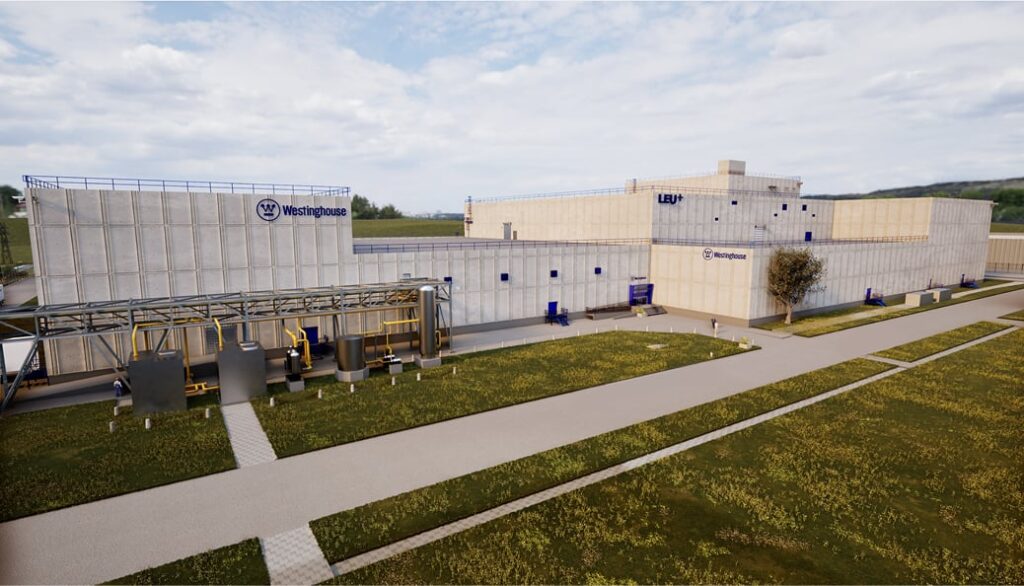
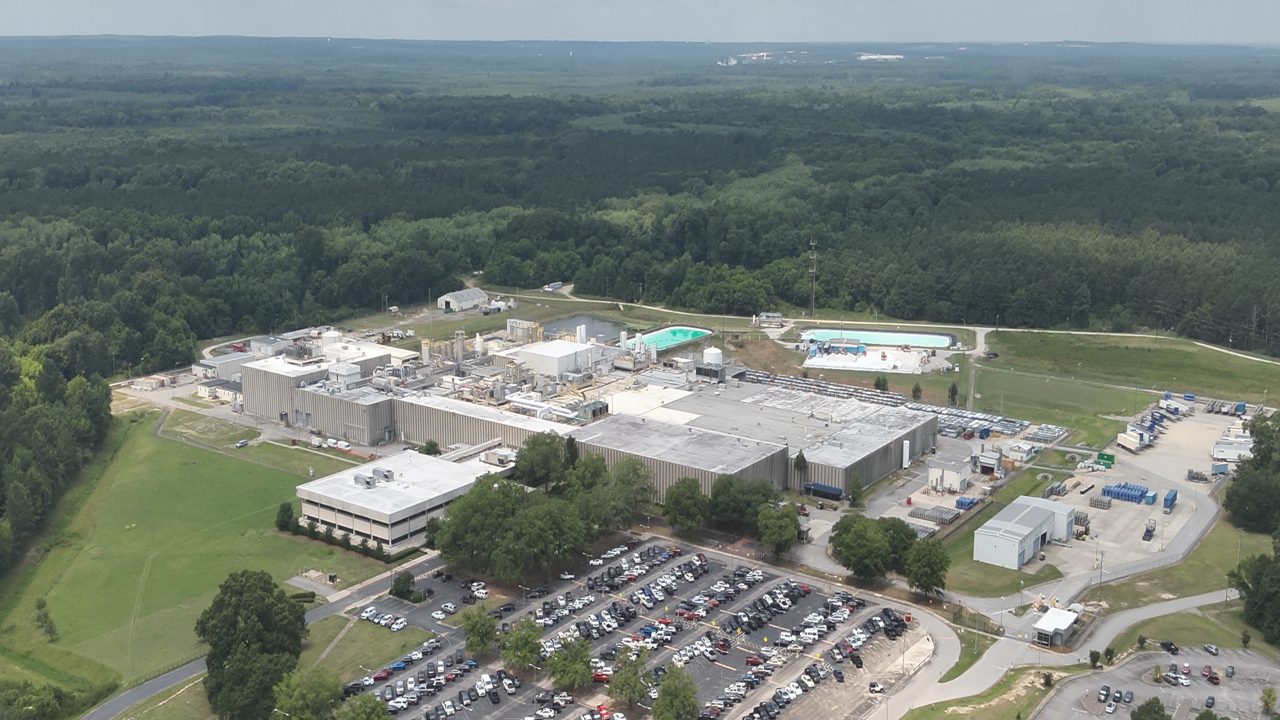
Westinghouse is investing nearly $1 billion in a new nuclear-fuel factory in Hopkins, South Carolina, expanding a manufacturing site that already employs more than 1,200 people in Lower Richland County.
Construction is underway beside the company’s Columbia Fuel Fabrication Facility, with production expected to begin in 2030. Westinghouse announced the investment October 21. The new factory will make fuel designed to help nuclear reactors generate more electricity and operate longer between refueling shutdowns.
For nearby businesses and workers, the first opportunities will come during construction. Westinghouse expects several hundred contractors on site at the project’s peak, alongside an internal team of roughly 30 to 50 people. The company anticipates work for contractors, subcontractors and suppliers, as well as local hiring by its major contractors.
Longer runs between refueling
The expansion centers on Low Enriched Uranium Plus, known as LEU+, which uses uranium enriched to between 5% and 8%.
Westinghouse says the fuel can extend operating cycles at pressurized-water reactors from 18 months to 24 months. Longer cycles mean fewer interruptions for refueling and more time producing electricity.
Making that fuel requires a separate production building. The existing plant’s configuration and processing technology cannot manufacture fuel at the higher enrichment levels, Westinghouse says.
The new operation will use greater automation and a different manufacturing process. Westinghouse is working with technical schools, colleges and universities to develop the skills employees will need.
What the investment means for jobs
The existing Hopkins operation has manufactured nuclear fuel since 1969. Its workers produce pellets, rods, assemblies and components for power plants.
An economic-impact study prepared by University of South Carolina research economist Joseph C. Von Nessen puts the facility’s average annual wage at $104,597—64% above the statewide average. That figure describes the existing workforce, rather than a starting salary for future openings.
The study projects that construction and expanded operations could generate $4.9 billion in cumulative economic activity across South Carolina through 2035, including $3.8 billion in Richland County. Westinghouse commissioned the research.
Its estimate of nearly 1,500 permanent jobs combines positions created or preserved at the plant and throughout the broader economy. It is not a forecast of 1,500 new factory hires.
Richland County has supported the expansion with economic-development incentives, including a long-term fee-in-lieu-of-tax arrangement covering capital investment at the facility. Westinghouse has not specified the dollar value of that support in its project announcement.
Community Voice
A snapshot of reader views, not a scientific survey.
Explore Community Voice →About the Desk

Across the Sun Belt
Scout Motors Suppliers Plan 200 Jobs and $82 Million in South Carolina Expansions
Sherwin-Williams Opens Its Largest North American Plant in North Carolina
Caterpillar Plans $1 Billion North Carolina Manufacturing Expansion
A $200 Million South Carolina Expansion Will Help Supply America’s GLP-1 Drug Boom
Food Lion Sets Fall Opening Dates Across the Carolinas and Georgia, Signals More Growth in 2027