A New Arizona Packaging Plant Could Change How Small Brands Reach Store Shelves
The new Mesa plant is designed to help small brands produce flexible packaging in smaller runs, offering faster design changes and supporting over 100 jobs.

Get the week’s jobs, development, housing and growth stories from across the Sun Belt in one email.
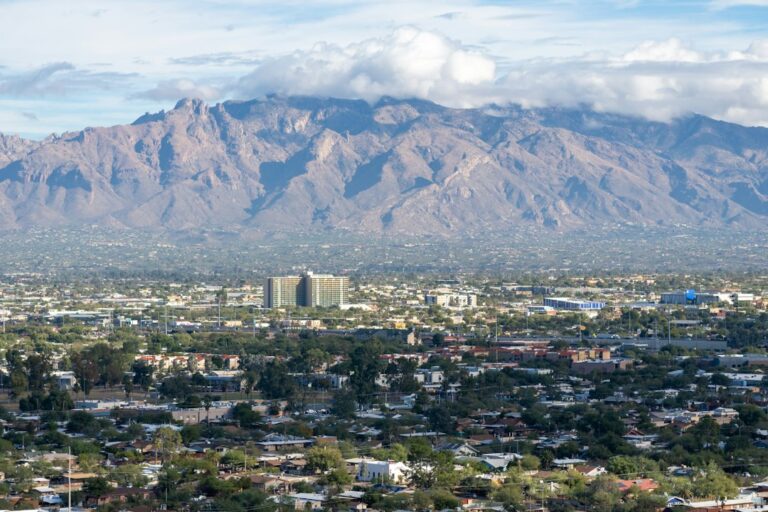
A new manufacturing plant in Mesa, Arizona, is bringing a different kind of factory expansion to the Phoenix metropolitan area: one built around helping businesses produce branded packaging in smaller quantities and change designs without committing to enormous traditional print runs.
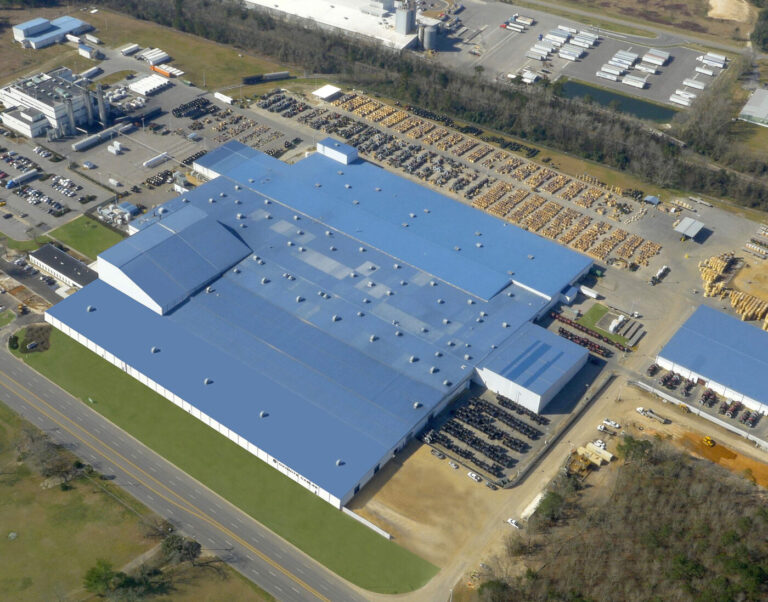
ePac Flexible Packaging opened the 66,000-square-foot facility on November 9, creating what the company calls the largest plant in its global network. It expects the operation eventually to support more than 100 jobs, although the full hiring timetable has not been announced.
The expansion strengthens Arizona’s manufacturing base while addressing a challenge faced by food and consumer-product businesses across the Southwest. A promising new product can be relatively quick to develop, but getting its packaging produced, delivered and updated can become an expensive obstacle to reaching store shelves.
Why digital packaging matters
Traditional packaging production often rewards long print runs of the same design. Digital printing can make shorter runs and more frequent design changes practical, an advantage for a small brand testing a product or a growing company adjusting what it sells.
ePac says its Mesa operation will provide flexible packaging for consumer goods, with local manufacturing intended to reduce shipping time for regional customers. The Arizona Commerce Authority’s November 10 announcement confirms that the new facility is the company’s largest worldwide and that additional production capabilities are planned for 2027.
That future expansion matters because the plant is intended to serve both businesses ordering smaller quantities and brands whose demand increases. The opportunity for customers is to spend less time waiting for packaging while adapting products to changing consumer tastes. Whether those benefits materialize will depend on actual pricing, production schedules and customer demand.
A new link in the Southwest manufacturing economy
The factory also reflects the role of the Phoenix area as more than a destination for high-profile semiconductor investments. Producers of food, beverages and household goods need an extensive network of suppliers, printers, distributors and skilled workers to move products into stores.
The Greater Phoenix Economic Council has highlighted the Mesa plant as part of that expanding regional industrial base. Its opening adds local capacity for a service that many smaller companies need long before they are large enough to operate their own production lines.
Important details have not been publicly established, including the project’s total capital investment, wages for its planned workforce and the volume of packaging it will produce when fully operational.
For Mesa, the immediate result is another active manufacturing facility with room to grow. For companies across the Southwest, the more consequential test is whether having a packaging producer nearby makes it easier to launch, improve and scale the products shoppers see every day.
Community Voice
A snapshot of reader views, not a scientific survey.
Explore Community Voice →About the Desk

Across the Sun Belt
Shuttered South Carolina Textile Plant Set for $216 Million Revival

Rising Power Demand Drives Plans for 175 Factory Jobs in Louisiana
Westinghouse Begins $1 Billion Nuclear-Fuel Expansion in South Carolina
Rebuild Manufacturing Plans 150 New Jobs in Rock Hill, With Factory Opening Expected in November
Caterpillar Plans $1 Billion North Carolina Manufacturing Expansion