 Exclusive sponsor
Bombardier Plans $270 Million U.S. Expansion, Including 150 New Texas Jobs
Bombardier plans to invest $270 million in American aircraft service operations, creating 300 positions—including 150 in Texas—and recruiting for 500 existing vacancies.
Get the week’s jobs, development, housing and growth stories from across the Sun Belt in one email.
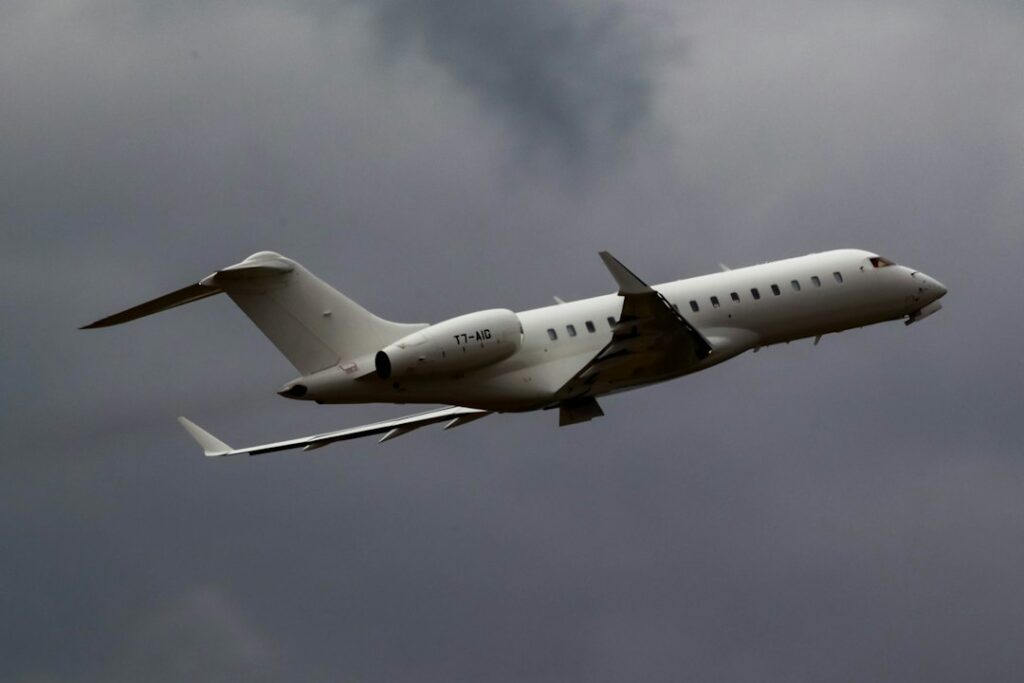
Bombardier is planning a $270 million expansion of its American aircraft-service network, with Texas set to receive half of the 300 newly created jobs and additional hiring spread across Kansas, Indiana and Connecticut.
The Canadian business-jet manufacturer announced the investment Friday, Oct. 23, after weeks of uncertainty over its access to the U.S. market. Its new plans center on facilities that maintain, repair and upgrade aircraft rather than a newly announced jet assembly plant.
The company says it intends to hire 800 people in the United States. That number needs a distinction: 300 positions are expected to be created through the expansion, while the remaining 500 are vacancies for which Bombardier is already recruiting.
Dallas becomes a focus for new service jobs
Texas will account for 150 of the 300 new positions, making it the largest identified state beneficiary of the expansion. Bombardier plans to develop additional service capacity in the Dallas area, where demand for business-aircraft support has grown alongside private aviation activity.
Technical jobs in this industry can include aircraft maintenance, avionics, engineering and related support. Bombardier has called the planned Texas roles highly skilled, but it has not supplied a detailed occupation list, wage ranges or the schedule for filling the Dallas positions.
Details released in the company’s Oct. 23 announcement also cover a roughly 64,500-square-foot maintenance center at Fort Wayne International Airport in Indiana, scheduled to open in November. The site is designed to accommodate up to six aircraft for scheduled and unscheduled repairs, modifications and avionics work.
Elsewhere, expansion projects are planned in Connecticut, while Wichita, Kansas, remains a major employment and training center. Bombardier opened a new North American Learning Center there earlier in October to prepare and develop aerospace workers.
Hiring totals are not the same as economic-impact projections
Bombardier employs about 3,500 people directly in the United States. Its 2025 American operations also supported a larger supply chain, with approximately $2.8 billion in purchases from U.S. suppliers.
The company estimates that its activities supported 27,200 U.S. jobs in 2025 when supplier and household-spending effects are included, and it projects that figure could exceed 33,000 after the expansion.
Those larger figures are economic-impact estimates, not positions directly on Bombardier’s payroll. The company has identified 300 new direct jobs, including 150 in Texas, and 500 existing vacancies it is seeking to fill. Treating all 800 recruitment opportunities or all 33,000 projected supported jobs as new factory positions would overstate the announcement.
The expansion follows a dispute over aircraft access
The announcement also carries a political backdrop. President Donald Trump threatened restrictions on Bombardier aircraft in September during a dispute involving certification and a U.S. rival, then backed away from the threat.
The company’s investment announcement followed that reversal. Bombardier said discussions with the U.S. administration had improved the environment for its American plans, while Reuters reported that the earlier threat had alarmed lawmakers and workers, particularly in Kansas, where the manufacturer has a longstanding presence.
Bombardier has not published the full breakdown of the $270 million by state or identified every planned U.S. facility improvement. Its initial spending total includes a previously announced $50 million investment in Wichita.
For now, the most concrete employment gain is the planned creation of 150 skilled positions in Texas and 150 elsewhere, alongside the effort to fill hundreds of existing vacancies. The scale of the longer-term expansion will depend on the facilities actually built and the positions ultimately staffed.
Community Voice
A snapshot of reader views, not a scientific survey.
Explore Community Voice →About the Desk

Across the Sun Belt
Lockheed Martin Plans 2,000 Texas Jobs and $300 Million Grand Prairie Expansion
North Carolina Defense Contractor Plans $95 Million Factory, 423 New Jobs Near Charlotte
Logistics Company to Add 150 Jobs in Texas With 340,000-Square-Foot Expansion Near San Antonio
Blue Origin Plans $554 Million Texas Factory, Bringing More Than 2,000 Jobs
Rebuild Manufacturing Plans 150 New Jobs in Rock Hill, With Factory Opening Expected in November