Buying a New Home in North Atlanta? What to Check Before You Sign
Broker Michelle Hewell explains what North Atlanta buyers should ask about a new home’s full price, construction delays, independent inspections and warranty coverage.
Major local stories and useful updates, once a week.
A new home’s advertised starting price may leave out the lot you want, the finishes you saw in the model and some of the things you will need on moving day. Before committing, buyers need a price for the house they intend to purchase, along with a clear understanding of what happens if it is finished late.
Michelle Hewell, broker at Foundation Partners Realty, urges North Atlanta buyers to settle those questions before choosing finishes or committing to a construction schedule.
“I want buyers to compare the price of the home they will actually own, not just the base price in the model home,” Hewell told North Atlanta Star in written responses.
Ask for the price with your choices included
Hewell recommends requesting a complete list of standard features and extras. Lot premiums, structural changes and design selections can increase the purchase price. Appliances, landscaping and window treatments also belong in the conversation: which are included, and which will the buyer need to pay for separately?
In Hewell’s hypothetical example, a house advertised in the low $500,000s could cost tens of thousands more after the buyer chooses a lot and upgrades.
The next calculation is the monthly cost. Hewell advises including property taxes, insurance and homeowners association fees when deciding what is affordable.
A lender’s Loan Estimate sets out projected payments, closing costs and the cash needed at closing. Some taxes, insurance or assessments may need to be paid separately from the mortgage payment. The Consumer Financial Protection Bureau recommends checking the property-tax estimate and comparing Loan Estimates from different lenders.
Find out what happens if moving day changes
A construction schedule can affect more than a closing appointment. Buyers may be trying to sell another house, end a lease or move before the school year begins.
“I would not recommend scheduling a home sale, moving truck or school transition around a builder’s estimated date alone,” Hewell said.
She recommends asking what work remains and how the purchase contract handles delays and extensions. Buyers should also ask what happens if materials, inspections or utility connections hold up the closing.
For someone with a firm moving deadline, Hewell suggests considering a completed or nearly completed home. Buyers choosing a house earlier in construction should have a backup plan for a delayed move.
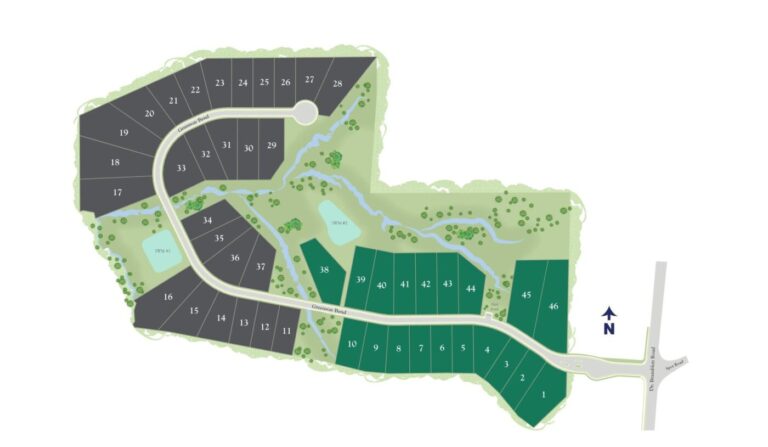
The neighborhood’s schedule matters, too. A planned pool, clubhouse or walking trail may be part of the appeal, but Hewell urges buyers to confirm what the builder is obligated to deliver and to get important promises in writing. Ask about the expected completion date and review the HOA documents and amenity plans before signing.
Arrange inspections even when everything is new
Hewell recommends an independent inspection for new construction. When the building schedule allows, she suggests one before drywall goes up, another before closing and a follow-up before the builder’s initial warranty period expires.
“A builder warranty is not a substitute for an independent inspection,” she said.
Her final-walkthrough checks extend beyond paint and finishes. Buyers should test appliances, heating and cooling, plumbing fixtures, electrical outlets and garage doors. Windows and doors should operate properly, water should drain correctly, and leaks, damage or unfinished work should be identified.
Ask the builder early how independent inspections fit into the construction schedule and how any issues will be addressed before closing.
Read the warranty before you need a repair
A long structural warranty does not necessarily mean every part of the house has the same coverage period.
Warranty coverage varies by component, with workmanship and materials commonly covered for less time than major structural defects. The written warranty should spell out what is covered, for how long and how repairs are handled.
Hewell recommends learning the claim process and reporting deadlines before a problem arises. The Federal Trade Commission advises putting repair requests in writing and keeping records of correspondence with the builder or warranty company.
Keep the warranty with the inspection reports and closing documents, and put its reporting deadlines on the calendar. A problem noticed during the first year can be easy to postpone while settling into a new home.
More local service guides
Explore North Atlanta services →About the Author

In North Atlanta
How Much Home Services Cost in North Atlanta (2026 Guide)
More homes are for sale in Forsyth County, and buyers are taking their time

Two Cumming Homes See Price Cuts Exceeding $160,000 After a Year on the Market
Before You Book Pressure Washing in North Atlanta, Know What Your House Needs

North Atlanta Homes Go to Auction Sight Unseen. The Bargain May End at the Front Door.