Exclusive sponsor
Isaias Leaves More Than 750,000 Without Power After Striking Florida
Hurricane Isaias, striking Florida's Panhandle as a Category 2 storm, left over 750,000 without power across Florida and Alabama. Flooding and wind damage impacted roads and buildings, with recovery efforts underway as the storm moved inland.
Get the week’s jobs, development, housing and growth stories from across the Sun Belt in one email.
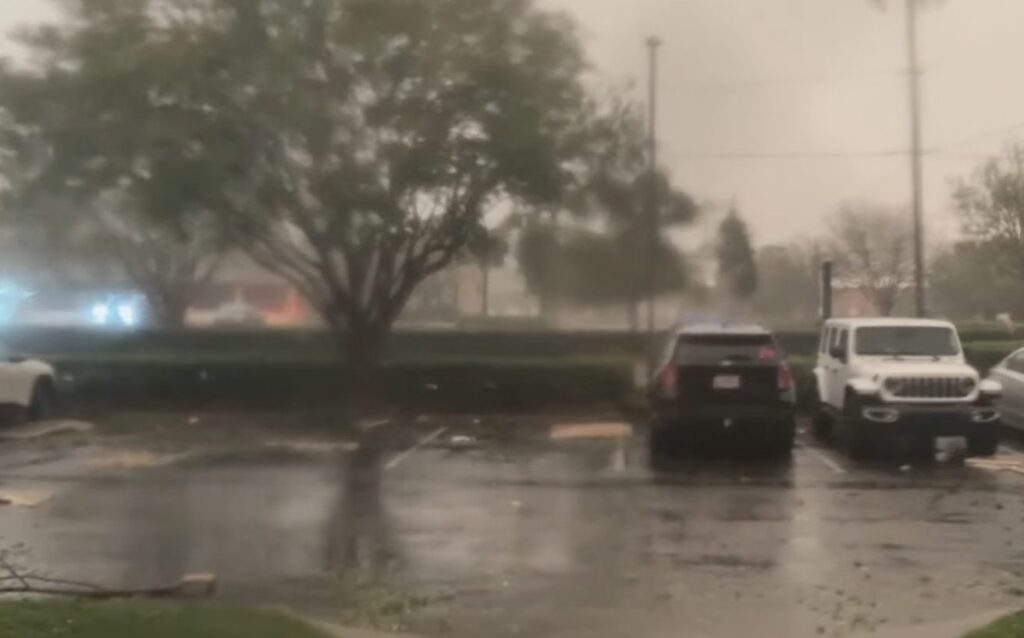
Hurricane Isaias struck Florida's Panhandle late Friday with winds of 105 mph, flooding coastal roads, damaging buildings and leaving hundreds of thousands of homes and businesses without electricity across the Southeast.
The storm made landfall near Destin as a Category 2 hurricane before moving north into Alabama. By Saturday morning, it had weakened into a post-tropical cyclone, but heavy rain and dangerous flooding remained concerns.
More than 750,000 customers were without power in Florida and Alabama early Saturday, with outages continuing to spread into Georgia. The latest regional outage reports showed more than 440,000 customers without electricity in Florida and approximately 317,000 in Alabama by 4:30 a.m. CDT.
Flooded roads and damaged buildings
Destin experienced flooded streets as powerful winds pushed water inland. In Pensacola, fallen trees, power lines and debris blocked roads, while at least one building suffered significant roof damage.
Parts of southern Alabama also flooded. Officials in Mobile reported downed trees and power lines, and roads were closed in Houston County in southeastern Alabama.
Some Florida Panhandle counties temporarily suspended emergency responses Friday night because conditions were too dangerous for crews to operate.
The Associated Press reported widespread disruptions, including canceled flights at regional airports and extensive damage along coastal communities.
The danger moves inland
Isaias weakened rapidly after landfall. By 4 a.m. CDT Saturday, its sustained winds had dropped to 35 mph, and its center was about 25 miles south-southwest of Montgomery, Alabama.
All coastal storm-surge and tropical-storm warnings had been discontinued.
But the National Hurricane Center's Saturday advisory warned that flash flooding remained a significant threat as the storm moved farther inland.
Parts of southern Alabama, the Florida Panhandle and southwestern Georgia could receive 4 to 8 inches of rain through the weekend, with higher amounts possible in some locations.
Flood watches also extended into northern Alabama and southern Tennessee, where heavy rainfall could overwhelm streams, drainage systems and low-lying roads.
The storm's remnants are expected to continue north through the Tennessee and Ohio valleys, bringing additional rain and gusty winds before dissipating.
Recovery begins along the Gulf Coast
Utility crews are preparing to restore electricity as conditions improve, although fallen trees, damaged power lines and flooded roads could complicate access to some communities.
Local authorities have urged residents to avoid unnecessary travel and stay clear of downed wires.
Florida, Alabama and Mississippi declared emergencies ahead of the hurricane, allowing state agencies to mobilize resources and coordinate with federal officials.
The full extent of the damage remains unclear. Inspections of coastal buildings, roads and electrical infrastructure are expected to continue as floodwaters recede.
Isaias became the first Atlantic hurricane of 2026 after an unusually quiet season. Its arrival in October was unusually late, but the storm quickly demonstrated that a late-season hurricane can still cause widespread disruption.
For communities along the northern Gulf Coast, the immediate challenge has shifted from preparing for landfall to restoring power, clearing roads and assessing the damage left behind.
Community Voice
A snapshot of reader views, not a scientific survey.
Explore Community Voice →About the Author

Across the Sun Belt

Whole Foods Raises Average Store Pay Above $21 as Retail Competition for Workers Intensifies

Charlotte Is Turning a Nearly Empty Office Tower Into 399 Apartments and a W Hotel

Nashville Moves to Name Its Airport for Dolly Parton
Anti-Sharia Bills Surge Across U.S. as States Debate Religious Law
Florida’s Amendment 3 Could Save Homeowners Thousands, but Raise Questions About Local Services