Exclusive sponsor
North Atlanta’s New School Phone Rules: What Parents Need to Know This Fall
North Atlanta public schools restrict phone and device use for K–8 students during school hours under new state laws. High school policies differ by county, creating some confusion. Parents can contact school offices to reach students during the day.
Major local stories and useful updates, once a week.
A child can still carry a phone to school in North Atlanta. Using it is another matter.
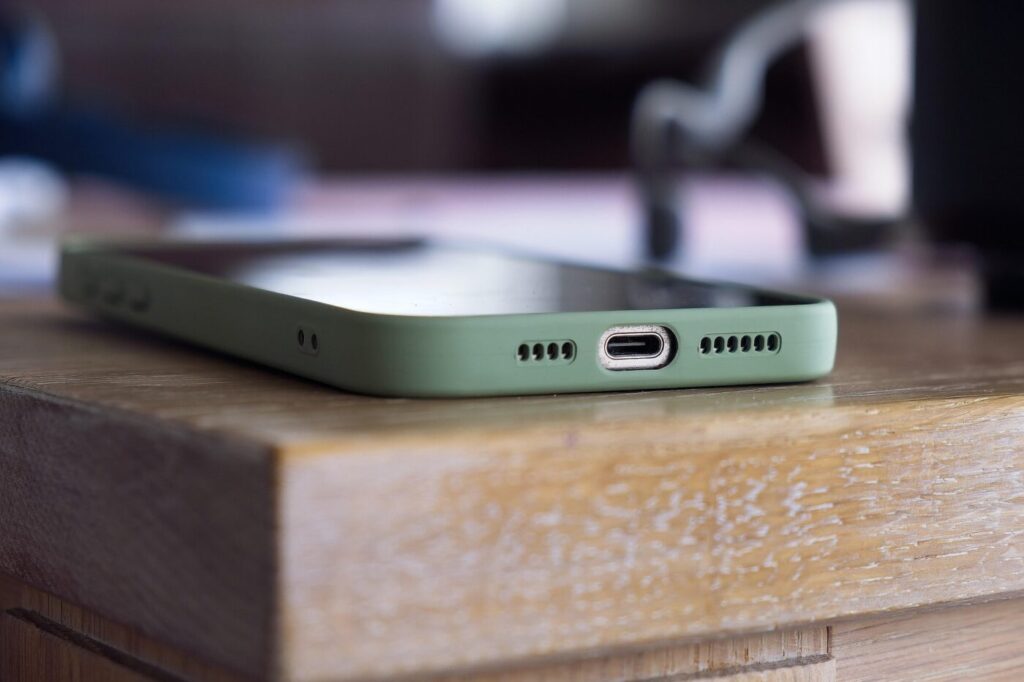
Georgia’s new Distraction-Free Education Act has made personal devices off-limits during the school day for public-school students in kindergarten through eighth grade. That includes phones, smartwatches, earbuds, tablets and other devices that can communicate, send messages or play media.
The new statewide rule has brought Fulton, Forsyth and Gwinnett into closer alignment for younger students. High school is different. Each district has drawn its own line, which can be confusing for families with children in more than one school or county.
For K–8 students, the phone should stay put
Elementary and middle school students in all three systems are expected to keep personal devices away from the first bell until dismissal.
Gwinnett’s policy is especially clear: students in grades K–8 may not use devices during class, lunch, recess, transitions or assemblies. A smartwatch counts. So do headphones and e-readers. Parents who need to reach a child during the day should call the school office, which will deliver an urgent message.
Schools will decide where devices are kept—usually inside a backpack, locker or designated classroom storage area. Gwinnett families can find the district’s full guidance, including exceptions for students whose IEP, 504 plan or medical plan requires a device, in its family phone-policy guide.
In Fulton County Schools, elementary and middle school students cannot access personal devices during the school day. Fulton has also ended personal-device access to school Wi-Fi. The district’s device-policy page lays out the new expectations.
Forsyth uses a bell-to-bell approach. Phones and other devices must be turned off and stored away throughout the elementary and middle school day. They may be used before school, after school, at bus stops and on buses within the limits of bus rules. The Forsyth student code of conduct also makes clear that schools are not responsible for a lost or stolen personal device.
High school students face three different systems
For high school families, county lines make a real difference.
Fulton high school students may not access personal devices during instructional time. That means a phone should not appear in class, but the policy does not impose the same all-day restriction used in elementary and middle schools.
Forsyth high school students must keep phones and personal devices turned off and stored away throughout the bell-to-bell day. The exception is an assigned lunch period, when students may use them.
Gwinnett chose not to extend its new districtwide rule to grades 9–12. The School Board approved K–8 restrictions in December but did not approve a proposed ban on high school device use during instructional time. High school expectations can therefore still vary by campus and classroom.
That makes a school handbook worth reading even for students who have attended the same district for years. A teenager may be allowed to have a phone in a backpack, yet still face consequences for using it at the wrong time or in the wrong place.
What happens when a student breaks the rule?
The first response is usually not a major punishment.
Gwinnett describes a progressive process that can begin with a reminder and parent contact before leading to temporary confiscation or stronger discipline. Forsyth’s code allows consequences ranging from confiscation and detention to suspension in more serious or repeated cases.
The practical issue for parents is retrieval. Many schools require a parent or guardian to pick up a confiscated device after repeated violations. Families should ask their child’s school about its exact process before a phone becomes a problem.
Students should also understand that a device can create larger issues than an interrupted class. Forsyth prohibits students from using phones or recording equipment to record school employees or other students. Sharing videos, images or messages involving harassment, threats or academic dishonesty can bring consequences beyond a simple device violation.
Emergency communication has changed
For many parents, the hardest adjustment is giving up the ability to text a child directly during the day.
Schools argue that an emergency is precisely when students need to follow staff direction rather than reach for a phone. District communication systems, office staff and school safety procedures are meant to carry information to parents.
That does not mean children lose access to help. Students can use school phones in an emergency or with staff permission. Parents can contact the front office when a message cannot wait until dismissal.
A useful family routine is to establish one clear plan: phone on silent and put away before the first bell, school office for urgent daytime communication, and a check-in call or text after school.
The new rules are not really about whether a child owns a phone. They are about whether the device becomes part of the school day. For North Atlanta’s younger students, the answer is now largely no.
If this felt close to home, these stories may be worth your time too.
Community Voice
A snapshot of reader views, not a scientific survey.
Explore Community Voice →About the Author


In North Atlanta
Forsyth Opens School Transfer Window; 12 Campuses Near Capacity

Gwinnett Families Have Until Thursday to Review 51 Course Standards

Washington Wants “Real Food” in School Cafeterias. North Atlanta Must Find a Way to Cook It

School meal cutoff rises to $61,050 for a family of four

The College Enrollment Cliff Is Coming. North Atlanta May Feel It Differently
Georgia College Visits From North Atlanta: When to Make It a Day Trip—and When to Stay Overnight
IN NORTH ATLANTA