 Exclusive sponsor
A Weekend in Sedona: Space, Light, and Time to Slow Down
Get the week’s jobs, development, housing and growth stories from across the Sun Belt in one email.
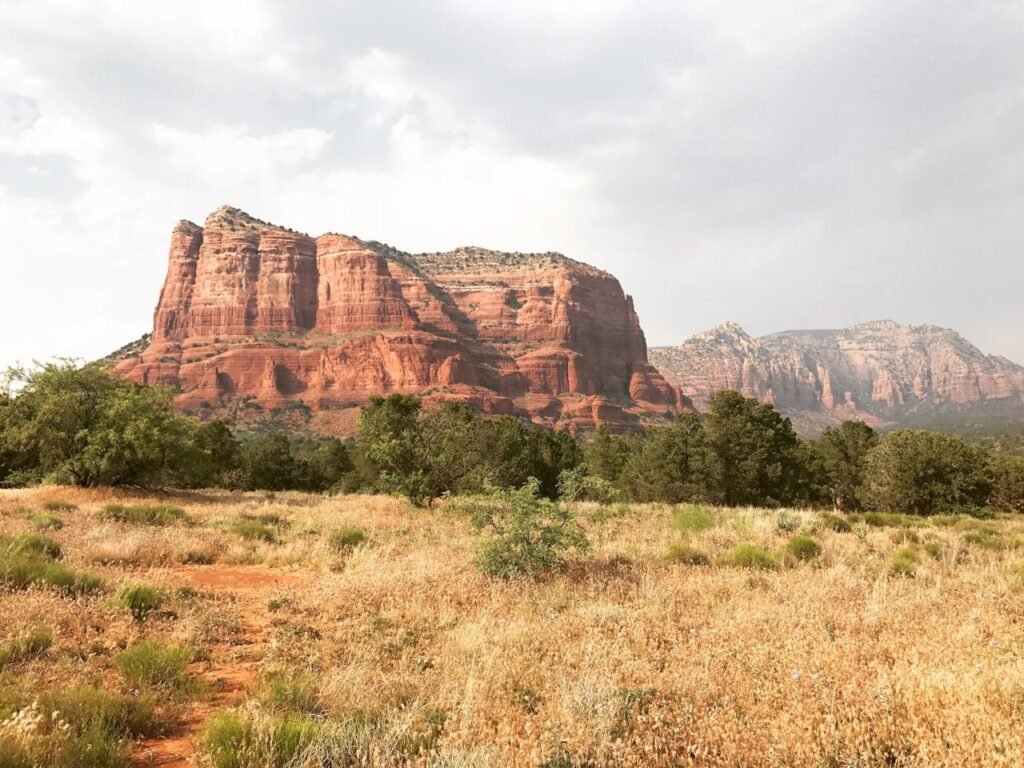
The first thing you notice in Sedona isn’t a landmark or a specific place. It’s the color. The red rock formations rise suddenly from the landscape, shifting in tone as the light moves—from deep rust in the morning to glowing orange at sunset. It’s a setting that doesn’t ask for much planning. In fact, the less you plan, the more the place tends to work.
For North Atlanta residents, Sedona sits far enough away to feel like a true break, but still manageable for a long weekend. A direct flight to Phoenix followed by a two-hour drive brings you into a completely different landscape—drier, wider, quieter. The pace changes almost immediately.
Getting There and Getting Around
Most trips begin with a flight from Atlanta to Phoenix Sky Harbor International Airport, which takes around four hours. From there, the drive to Sedona runs just under two hours, gradually shifting from desert terrain into red rock country. The final stretch along Highway 179 is often the moment people remember—the rock formations start to rise, and the town appears almost tucked into them.
A rental car is essential. Sedona isn’t large, but its key areas—Uptown Sedona, West Sedona, and the surrounding trailheads—are spread out enough that driving makes everything easier.
Where to Stay
Sedona works best when the hotel feels like part of the landscape. Many properties are designed to frame the views rather than compete with them.
L’Auberge de Sedona sits along Oak Creek, offering cottages under tall trees and a quieter, more intimate setting. It’s one of the few places where you can walk directly from your room into a shaded, creekside path.
Enchantment Resort is more expansive, set within Boynton Canyon and surrounded by towering red rock walls. The property feels contained in a way that encourages staying on-site, with hiking trails beginning just steps from the rooms.
For something more central and slightly more accessible, Amara Resort and Spa places you within walking distance of Uptown Sedona while still offering strong views and a calm atmosphere.
Friday Afternoon: Arrival and First Impressions
Arriving in the afternoon works well. After the drive in, most visitors check in, settle briefly, and head out for a short introduction to the landscape.
One of the easiest starting points is the Airport Mesa overlook, a short drive with a wide, open view of Sedona’s rock formations. It’s not a long stop, but it sets the tone. The scale of the place becomes clear almost immediately.
Dinner on the first night should stay simple. Mariposa Latin Inspired Grill is often mentioned for its elevated setting and sunset views, while The Hudson offers a more relaxed option with a patio overlooking the rocks. Both allow the landscape to remain part of the evening rather than just the background.
Saturday Morning: Trails and Open Space
Mornings in Sedona are best used outdoors. The light is softer, the temperatures are cooler, and the trails are quieter.
Two of the most accessible hikes are Bell Rock Pathway and Cathedral Rock Trail. Bell Rock offers a gradual, flexible walk where you can go as far—or as little—as you like, making it a good starting point. Cathedral Rock is steeper and shorter, with a more defined climb that leads to one of the most photographed views in the area.
For something less structured, the trails around Boynton Canyon offer a mix of shaded paths and open views, with fewer crowds early in the day.
After the hike, breakfast or brunch tends to fall into place naturally. Creekside American Bistro is a common stop, known for its outdoor seating and straightforward menu. Coffee Pot Restaurant, a longtime local favorite, leans more casual but works well for a slower start to the day.
Saturday Afternoon: Slowing Down
By early afternoon, the rhythm shifts. Sedona isn’t a place that pushes you to keep moving all day. In fact, the middle of the day often works best as a pause.
Some visitors return to their hotel to use the pool or spa. Others spend time walking through Tlaquepaque Arts & Shopping Village, a small, Spanish-style complex with galleries, shaded courtyards, and quiet corners that invite lingering rather than rushing.
For those interested in Sedona’s more spiritual side, this is often when people explore one of the area’s vortex sites, such as Bell Rock or Airport Mesa. Whether taken seriously or simply as part of the local culture, these spots tend to encourage stillness more than activity.
Saturday Evening: Sunset and Dinner
Sunset in Sedona is less about finding a single perfect location and more about being somewhere open to the sky. The colors shift quickly, and the rocks reflect light in a way that changes minute by minute.
Popular spots include Red Rock Crossing and the area near Cathedral Rock, both offering wide views and easy access. Even a quiet roadside pull-off can be enough.
Dinner can follow the same pattern as the first night—uncomplicated, with an emphasis on setting. Elote Café is often recommended for its Southwestern flavors, though reservations are essential. For something quieter, returning to your hotel restaurant can feel just as complete.
Sunday Morning: A Different Kind of Start
Sunday tends to move more slowly. Many visitors skip a structured hike and instead opt for something lighter—a short walk, a quiet coffee, or time outdoors without a destination.
A visit to Chapel of the Holy Cross, built into the red rocks, offers a different perspective on the landscape. It’s not a long stop, but the setting and design make it memorable.
Another option is simply walking along Oak Creek, where the sound of water and the shade of the trees create a softer version of Sedona’s environment.
Heading Back
Most return trips begin late morning or early afternoon, allowing time for one last stop or a relaxed breakfast before the drive back to Phoenix.
The transition out of Sedona feels gradual at first, then sudden. The red rocks fade, the road opens, and the landscape shifts back toward the desert.
Why Sedona Works for a Short Trip
Sedona’s appeal isn’t built on a long list of attractions. It’s built on how the place feels once you arrive.
There’s enough to do, but not so much that you feel pressure to do it all. The landscape is present from almost every angle, shaping the experience without requiring effort. And the pace—whether intentional or not—tends to slow down on its own.
For North Atlanta residents used to full schedules and constant movement, that shift can be the point.
Community Voice
A snapshot of reader views, not a scientific survey.
Explore Community Voice →About the Desk

Across the Sun Belt
A Weekend in Charleston: Coastal Light, Historic Streets, and Long Evenings

14 Free Travel Guides You Can Get Mailed to Your Home
A Weekend in Charleston, South Carolina: Coastal Elegance, Walkable Streets, and Slower Days
A Weekend in Highlands, North Carolina: A Cooler, Quieter Mountain Escape