 Exclusive sponsor
A Weekend in Charleston, South Carolina: Coastal Elegance, Walkable Streets, and Slower Days
Get the week’s jobs, development, housing and growth stories from across the Sun Belt in one email.
This article is part of our Weekend Escapes from North Atlanta series — curated trips within driving distance from Johns Creek, Alpharetta, Cumming, Roswell, Milton, Duluth, and Suwanee.
The drive east unfolds gradually—highways giving way to flatter coastal terrain, light shifting as you move closer to the Atlantic. By the time you reach Charleston, the transition is complete. The pace slows, the air feels softer, and the city reveals itself not through a single landmark, but through layers of streets, architecture, and quiet details.
Charleston isn’t built for rushing. It’s a place where the experience comes from walking, pausing, and letting the setting shape your time.

Getting There from North Atlanta
From Johns Creek, Alpharetta, or South Forsyth, Charleston is about 300 miles away, typically a 4.5 to 5-hour drive.
The most common route follows I-85 Northeast to I-26 East, which leads directly into Charleston. It’s a longer drive, but straightforward and manageable for a weekend, especially with an early departure.
For those willing to extend the trip slightly, Charleston also works well as a two-night stay, allowing for a more relaxed pace once you arrive.
First Impressions: A City That Holds Its Shape

Charleston’s historic district feels cohesive in a way that few cities do. The streets are narrow, the buildings consistent in scale, and the architectural details—ironwork, shutters, piazzas—create a sense of continuity as you move through the city.
Areas like The Battery and nearby White Point Garden define the southern edge of the peninsula, where historic homes meet open views of the harbor.
Further north, King Street shifts the atmosphere into something more active, with shopping, restaurants, and a steady flow of visitors.
What to Do: Walk, Explore, and Move Between Districts
Charleston works best when you break it into sections.
Start with the historic district. Walk from the Battery up through the residential streets, where the city’s character is most visible. Continue toward Rainbow Row, one of the most photographed stretches in the city.
From there, shift toward King Street. The contrast between quiet residential blocks and the more active commercial areas gives Charleston a layered feel.
If time allows, step beyond the peninsula. A short drive takes you to Folly Beach or Sullivan’s Island, where the setting opens up into coastline and a more relaxed pace.
Where to Eat: One of the Strongest Food Scenes in the Region
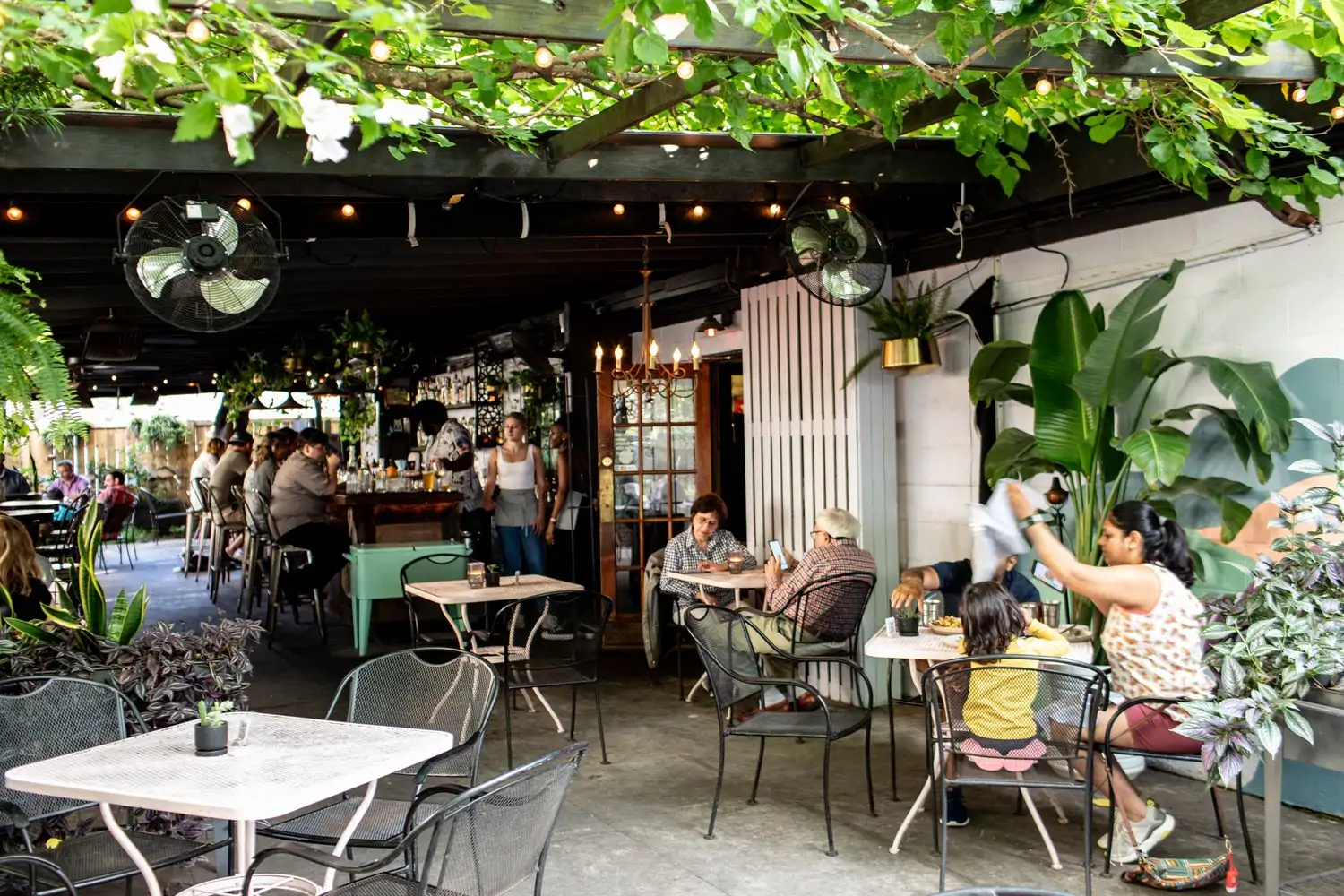
Charleston’s dining scene is one of the most established in the Southeast, combining Southern tradition with a refined, modern approach.
Husk is often a starting point, known for its focus on regional ingredients and thoughtful execution.
FIG offers a more understated but equally respected dining experience, with a menu that changes frequently based on availability.
Beyond these, the city is full of smaller restaurants, cafés, and bakeries that make it easy to build a day around food without needing a strict plan—though reservations are often necessary for dinner.
Where to Stay: Historic, Boutique, and Walkable
Staying within the historic district or nearby areas is essential for a smooth experience.
The Dewberry offers a more modern luxury stay, with a distinct design and strong location near the edge of the historic district.

For a more classic Charleston experience, boutique hotels and restored inns throughout the peninsula provide charm and walkability, often set inside historic buildings with original architectural details.
Where you stay should allow you to move mostly on foot. That’s where Charleston works best.
Where to Stay in Charleston (Live Hotel Map)
Browse real-time availability and pricing for boutique hotels, historic inns, and waterfront stays across Charleston’s peninsula and nearby beach areas.
When to Go: Timing Shapes the Experience
Charleston is active year-round, but some seasons stand out more than others.
Spring is one of the most popular times, with mild weather and the city at its most vibrant.
Fall offers a similar balance, often with slightly fewer crowds.
Summer brings heat and humidity, though coastal breezes and beach access help balance it.
Winter is quieter and slower, with fewer visitors and a more relaxed atmosphere.
Charleston With Kids: What Actually Works
Charleston can work well for families—but it works best when approached with the right expectations. This is not a fast-paced destination built around constant attractions. Instead, it offers space, walkability, and a mix of short, flexible experiences that fit naturally into a day.
What tends to work first is starting with an anchor. Waterfront Park is one of the easiest places to begin. The open space, shaded areas, and the well-known pineapple fountain give kids room to move while still feeling connected to the city. It’s a natural reset point throughout the day.
Walking the historic district also works—but only in shorter segments. Charleston’s streets are beautiful, but they’re not designed for long, uninterrupted stretches with kids. A better approach is to explore in loops: a few blocks, then a stop, then another short walk. This keeps the pace manageable and avoids fatigue.
Another option that works surprisingly well is a carriage ride through the historic district. It allows you to cover more ground without the effort of walking, and for many kids, the experience itself becomes part of the highlight.
As with Savannah, one of the easiest ways to balance the day is to step outside the city. A short drive to Folly Beach changes the rhythm completely—open space, water, and a more relaxed environment where kids can move freely.
What tends not to work is trying to treat Charleston like a checklist of attractions. Long museum visits, tightly scheduled itineraries, or back-to-back restaurant reservations can quickly make the day feel heavy. Dining, in particular, leans more formal in many parts of the city, so mixing in casual stops is key.
Charleston with kids works best when the day is built around a few simple anchors—Waterfront Park, short walks through the historic streets, one structured activity, and possibly a beach break. Keep it flexible, and the city tends to meet you where you are.
A Simple Weekend Itinerary
Arrive Friday afternoon and settle into your hotel. Take a short walk through the historic district before dinner.
Saturday is for exploring. Start at the Battery, move through the residential streets, then head toward Rainbow Row and King Street. Build in stops throughout the day rather than trying to cover everything at once.
On Sunday, either revisit a favorite part of the city or take a quick trip to the beach before heading back.
Charleston vs Savannah: Which Coastal Getaway Fits You Better?

Choosing between Charleston and Savannah often comes down to how you want your weekend to feel. Both are walkable, historic, and built around atmosphere—but the experience they deliver is noticeably different.
Charleston feels more structured and refined. The historic district holds a consistent architectural rhythm—narrow streets, preserved homes, and a sense that everything fits together intentionally. Walking from The Battery up toward King Street, the transition from quiet residential blocks to a more active commercial area feels gradual and controlled. The overall impression is polished, with a strong dining scene and a slightly more elevated tone.
Savannah, by contrast, feels more open and fluid. Its layout, built around a series of shaded squares, creates natural pauses as you move through the city. Areas like Forsyth Park and the surrounding streets invite a slower, less structured kind of exploration. The atmosphere leans softer—less formal, more relaxed, and often easier to navigate without a plan.
The pace is one of the biggest differences. Charleston encourages a bit more intention—planning meals, moving between defined areas, and building your day around key sections of the city. Savannah allows for more improvisation, where the experience comes from drifting between squares and stopping when something catches your attention.
Even the waterfronts feel distinct. Charleston’s edges, especially near the Battery, open outward toward the harbor with a sense of scale and exposure. Savannah’s River Street feels more enclosed, built into the city itself with cobblestone streets and layered views along the river.
For North Atlanta residents, both destinations sit at a similar distance, making the decision less about logistics and more about preference. Charleston works well for a more polished, design-forward weekend with a strong food focus. Savannah fits better for a slower, more flexible escape where walking and atmosphere take the lead.
Most people who visit both find that they don’t replace each other—they complement each other. Charleston for structure and refinement. Savannah for ease and rhythm.
Read Also:
Community Voice
A snapshot of reader views, not a scientific survey.
Explore Community Voice →About the Desk

Across the Sun Belt

A New Kind of Stay in Chattanooga: Inside the Southside’s Latest Hotel Opening

A Weekend in Sedona: Space, Light, and Time to Slow Down

Scout Motors Suppliers Plan 200 Jobs and $82 Million in South Carolina Expansions

Adeptus Plans $215.6 Million South Carolina Plant, 217 Jobs

Shuttered South Carolina Textile Plant Set for $216 Million Revival