Exclusive sponsor
After 10 Years of Southern Shorts, Stephen Sherwood Still Comes Back to One Thing: Story
Stephen Sherwood created the Southern Shorts Awards to provide filmmakers with meaningful feedback and uphold professional standards. Now celebrating 10 years, the festival hosts a diverse program in Roswell, focusing on storytelling and craftsmanship amidst evolving technology.
Major local stories and useful updates, once a week.
The Roswell film festival founder talks about bad scripts, good sound, AI filmmaking, his Navy journalism training and the challenge of getting audiences into seats.
Stephen P. Sherwood started the Southern Shorts Awards partly because he was frustrated.
As a filmmaker entering festivals, he would send off his work, pay the entry fee and then often receive little more than a yes or no. Feedback was uncommon unless filmmakers paid extra. Even when his films were accepted, Sherwood sometimes found himself wondering how carefully the programs had been selected.
So in 2016, he created the kind of festival he wanted to enter himself.
Ten years and more than 2,300 submissions later, the Southern Shorts Awards is celebrating its anniversary Aug. 29 at Aurora Cineplex in Roswell. The current program begins at 11 a.m. and stretches into the evening, moving through comedy, drama, documentaries, student films, science fiction and fantasy, AI films and a Founder’s Showcase before an awards presentation scheduled for 8:45 p.m. Full-day passes are $10, and organizers note that program times may change.
The festival’s defining idea has remained largely unchanged: Every submitted film is evaluated by three judges, and filmmakers receive a scoresheet and comments whether or not their work is selected for screening.
Sherwood came to filmmaking with an unusually broad résumé. He has written, directed, produced, shot, edited and acted in films, worked sound and served in other production roles. Before that, he trained as a broadcast journalist in the U.S. Navy and worked as a television and motion-picture scriptwriter.
Ahead of the anniversary festival, North Atlanta Star asked Sherwood what a decade of watching independent films has taught him — and what filmmakers still get wrong.
What did you think was missing from film festivals when you started Southern Shorts?
“When I began entering film festivals, I was frustrated by the fact that there was very little, if any, feedback given from the festival,” Sherwood said.
The experience was usually binary: a film was accepted or it wasn’t. Festivals that did offer reviews sometimes charged additional fees.
Sherwood was also disappointed by the quality of some programs after his work was accepted.
“I would often find my film playing next to films that were embarrassingly bad,” he said. “I felt like they were simply showing whatever was entered and had no standards at all.”
His response was to build a festival around two principles: professional standards and useful criticism.
“I decided to make my own festival using professional standards and giving feedback whether they were accepted or not.”
After more than 2,300 submissions, what separates a strong film from an average one?
Sherwood’s answer takes only a few words.
“It’s all about the story.”
Production value can help. Cameras can improve. Sets can become more elaborate. None of it, he argues, can rescue a weak screenplay.
“The usual feedback I give is that you can’t make a good film from a bad script,” he said.
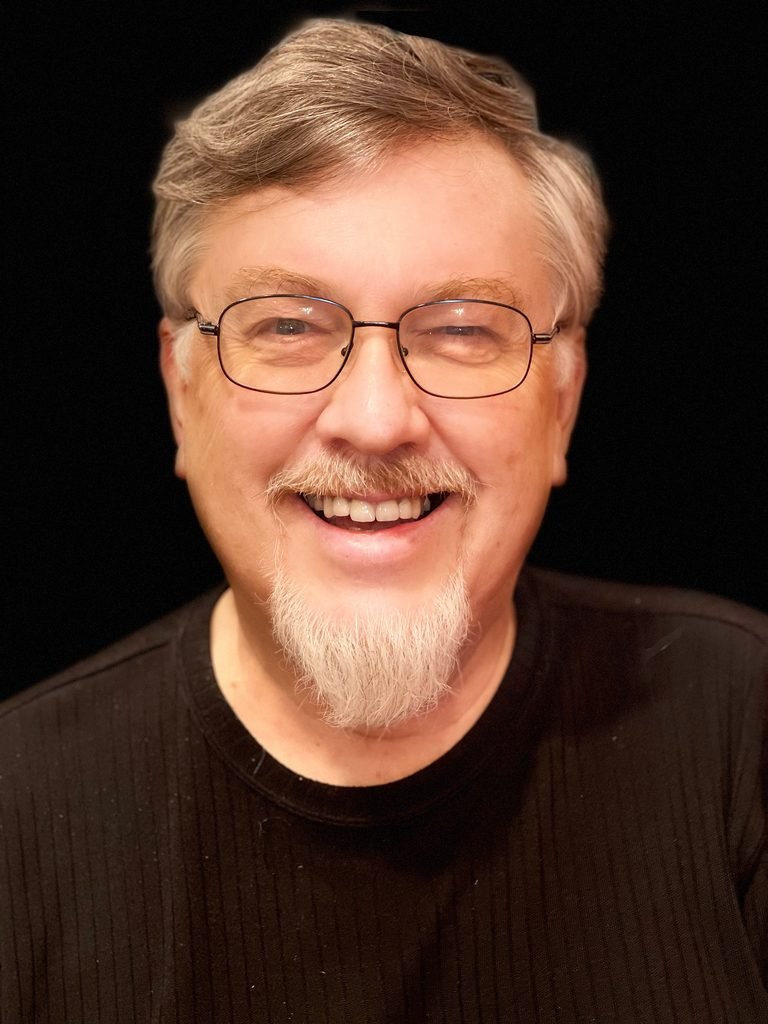
Southern Shorts uses a scoring system that evaluates elements including screenplay, direction, acting, cinematography, editing, sound, music and production design. Sherwood said that if he could redesign the formula around his own priorities, he might give even greater weight to the screenplay.
“You can put all the money you want into production value, but if you don’t have a good story, there’s no point,” he said. “How many times have you watched a big-budget Hollywood movie but felt unsatisfied at the end?”
What mistakes do inexperienced filmmakers make most often?
Story may come first, but Sherwood quickly moves to sound.
“Sound is half of your movie,” he said. “If the picture goes out, you can still hear what’s happening, but if the sound goes out, you’re simply lost.”
Lighting comes next.
Not properly lighting a scene, he said, remains one of the quickest ways for a production to look amateurish, even in an era when inexpensive cameras and phones can capture remarkably good images.
“Professional films are professionally lit, and too many rookie filmmakers put no effort into lighting their scenes,” he said.
Then he returns to where he started.
“But of course, it still all comes down to story.”
Have the films themselves changed much in 10 years?
The tools certainly have.
Cameras, editing software and other filmmaking technology have become both better and cheaper, lowering the barrier to making a movie. Sherwood acknowledges that a short film can now be shot on a phone, but he is wary of confusing accessibility with mastery.
“Filmmaking is a craft,” he said. “If you’re serious about it, cheap and easy is not the way to go.”
The subject matter has changed less dramatically than the technology. Sherwood remembers receiving a wave of films about isolation during the COVID era, though he believes heavily topical films can age quickly.
The more recent shift is artificial intelligence.
Southern Shorts now includes an AI film category; the current anniversary program includes AI productions alongside student films. (southernshortsawards.com)
Sherwood knows some filmmakers see AI as a threat. His view is more pragmatic.
“You simply have to accept it as another genre and use AI as a tool, not a crutch.”
What should someone who rarely watches short films expect in Roswell?
For newcomers, Sherwood sees the anniversary festival as a way to sample filmmaking without committing to a two-hour feature.
None of the films runs longer than 30 minutes, and the program is divided into genre blocks. A viewer interested in comedy can come for comedy. Someone drawn to documentaries, student work, science fiction or AI filmmaking can choose those portions of the day instead.
“Our 10th Anniversary Festival offers a unique opportunity to view a wide variety of short films produced around the globe,” Sherwood said.
There is also a curatorial distinction he considers important: These are not simply videos uploaded into an endless online feed. The festival says submitted films are scored by three judges with film or video experience before selections are made.
The full anniversary program and film preview are available through the festival.
Your own films are part of the Founder’s Showcase. Does making films change the way you judge them?
Sherwood has been making films since he was a teenager, sometimes taking on nearly every job required to get a production finished.
“I have written, produced, directed, shot, edited, acted and run sound,” he said. “I’ve been a first assistant director and a video feedback supervisor on multiple professional sets.”
That experience makes him sympathetic to filmmakers working without much money. It does not, however, make him more willing to excuse weak work.
“I understand the limitations of little or no budget, but professionalism has nothing to do with the cost of the film,” he said.
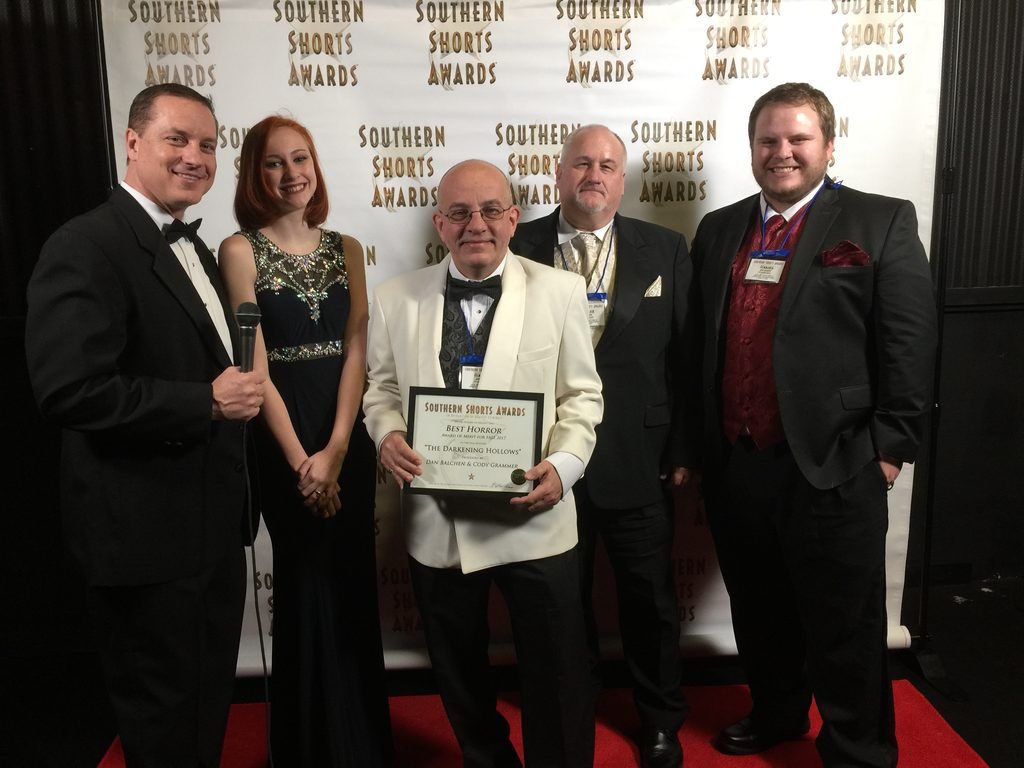
For Sherwood, judging a film seriously is a form of respect. Softening criticism to avoid disappointing someone may feel kinder, but he believes it ultimately deprives filmmakers of information they need.
“If you don’t apply industry standards to how you score and review someone’s film, you’re doing them a disservice,” he said. “If you can’t accept constructive criticism, you shouldn’t be a filmmaker.”
How did being a Navy journalist shape that outlook?
Before the film festivals and independent productions, Sherwood was trained by the Navy as a broadcast journalist.
He was eventually assigned to the Combat Camera Group in San Diego as one of its television and motion-picture scriptwriters. He later studied scriptwriting through courses at the American Film Institute in Hollywood and the University of California at San Diego.
Those years left him with a professional discipline that still influences the festival.
“These experiences helped me hone my craft and instilled a sense of professionalism that I’ve tried to adhere to in making my own films,” Sherwood said.
They also reinforced his belief that criticism has value precisely because it is not applause.
“You learn nothing from praise,” he said.
What does it actually cost to put on a small independent film festival?
For an audience member sitting in a theater, a festival can look fairly simple: screen the films, hand out the awards and go home.
The economics are less forgiving.
Sherwood estimates that theater rental, awards and production of the awards presentation have historically brought the cost to around $3,000 per festival, even with volunteer help.
He credits Aurora Cineplex with making the Roswell event possible.
“I’m indebted to the people at the Aurora Cineplex in Roswell,” he said. “They have been generous with their time and budget, as this is the only way we could have this event in an actual theater.”
Finding a theater willing to accommodate a small festival on a Saturday can itself be difficult, he said. Meanwhile, Southern Shorts has no regular sponsors and has relied primarily on festival entry fees.
Those entries have become harder to attract.
Sherwood said competition among film festivals has grown substantially, while submission numbers have fallen since the pandemic. The anniversary marks the first time Southern Shorts has turned to crowdfunding.
The festival has launched a Kickstarter campaign for its 10th anniversary.
Sherwood hopes the campaign can help keep Southern Shorts screening films in a real theater.
And, he added, “we’re certainly open to sponsorship.”
What does the next decade look like?
Sherwood’s biggest problem is no longer figuring out how to judge a short film.
It is persuading people to come watch one.
“The most difficult part of running a film festival is simply getting butts in seats,” he said.
Advertising presents its own problem. It can be expensive, and Sherwood said past campaigns have sometimes failed to generate enough additional entries even to cover the cost of the ads themselves.
So his ambition for Southern Shorts’ second decade is deliberately straightforward: more filmmakers and more people in the theater.
“Our goal is to simply increase the number of our entries and the size of our audience.”
After 10 years, the festival has accumulated thousands of submissions, an international program and a long list of awards. But Sherwood’s philosophy remains remarkably close to the frustration that made him start the festival in the first place.
Take filmmakers seriously. Tell them what works. Tell them what doesn’t.
And before worrying about cameras, budgets or technology, make sure there is a story worth telling.
If this caught your attention, these stories may too.
Community Voice
A snapshot of reader views, not a scientific survey.
Explore Community Voice →About the Author


In North Atlanta
Roswell’s Mimms Museum Earns Regional Recognition for Apple Exhibition
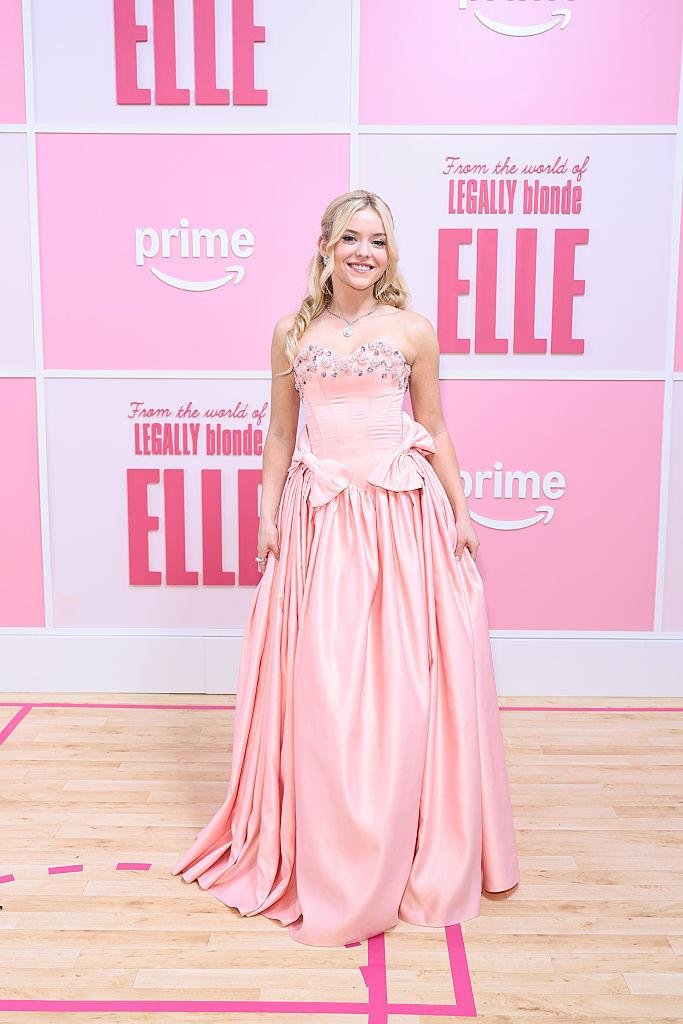
Atlanta Native Lexi Minetree Takes Over as Elle Woods in New Prime Video Series
North Atlanta This Weekend: Crabapple Fest, Roswell Youth Day and Free Concerts
Roswell Pulls Back Property Tax Proposal, but Higher Rate Remains on Table
Lawrenceville’s New Music Series Opens Thursday With shelldhn
Norcross White Squirrel Art Hunt Grows to 12 Sculptures
IN NORTH ATLANTA