Texas Cities Can No Longer Shut Out Manufactured Homes. Will It Make Housing Cheaper?
Texas now requires cities with zoning to permit new manufactured homes in at least one residential district. While this could improve housing affordability, local decisions on zoning and land availability will determine the law’s impact.
Get the week’s jobs, development, housing and growth stories from across the Sun Belt in one email.
 Exclusive sponsor
Texas has opened a new front in its fight over housing affordability. As of Sept. 1, cities with zoning can no longer exclude new manufactured homes from every part of town. They must provide at least one residential zoning classification or district where a new HUD-code manufactured home can be installed by right.
The change sounds technical. For Texans trying to buy a home for less than $200,000, it could be much more than that. A new single-section manufactured home in Texas sold for an average of $87,300 last year. A multi-section home averaged $151,500. Meanwhile, the median price of new conventional construction in Texas was $341,500 this spring.
Those figures are not directly comparable — manufactured-home prices exclude land and many site costs — but the gap helps explain why Texas lawmakers decided local zoning should no longer be allowed to make the housing option disappear altogether.
The question now is whether the new law creates enough actual places to put those homes to make a difference.
Cities still decide where they go
Senate Bill 785, signed into law in June 2025 and effective Sept. 1, 2026, does not require manufactured homes in every neighborhood.
It does something narrower. A Texas city with zoning must allow new HUD-code manufactured homes by right in at least one residential zoning classification, residential district or specially created manufactured-housing district. If the city maintains a comprehensive zoning map, the permitted area must appear on it.
Cities still control where that district is located and how large it is.
That distinction may determine whether the law becomes a meaningful affordability measure or mostly a legal requirement cities learn to accommodate with limited changes. The final version of the law does not require the permitted area to cover a particular percentage of a city or contain a minimum number of buildable lots.
So two Texas cities could both comply while creating very different opportunities for homebuyers. One might open sizable residential areas to manufactured homes. Another could choose a much smaller district.
The Texas Manufactured Housing Association, which supported the legislation, says cities can still determine the location and size of the permitted area, but they can no longer exclude new manufactured housing entirely.
That makes the next stage of the story local.

Some cities were changing their rules before the deadline
League City, southeast of Houston, approved changes to its development code in May as it prepared for the new state requirements.
The city revised its zoning rules for manufactured homes along with separate changes involving accessory dwelling units. Its City Council approved the manufactured-housing changes before the statewide Sept. 1 deadline.
Other Texas cities have also begun adjusting their zoning.
For prospective buyers, however, the important question is not simply whether a city has rewritten an ordinance. It is where manufactured homes can actually go.
A legal zoning category does little for affordability if there is almost no available land in it, if lots cost too much, or if deed restrictions prohibit manufactured homes in the neighborhoods where buyers want to live.
That is why the effect of SB 785 may vary dramatically from one Texas community to another.
These are not the mobile homes of decades ago
The terminology can create confusion. The Texas law applies to new HUD-code manufactured homes — factory-built houses constructed under federal design, construction and safety standards.
Federal manufactured-home standards took effect in 1976 and cover areas including structural strength, fire safety, plumbing, heating and electrical systems. Each qualifying home carries a federal certification label.
Homes built before the federal standards took effect are generally referred to as mobile homes.
Manufactured homes are also different from modular houses. Both are built largely in factories, but modular homes generally must meet the same state and local building codes that apply to conventional site-built construction.
Modern manufactured homes can include multiple sections, porches, garages and exterior finishes that make them difficult to distinguish at a glance from conventionally built houses.
The economic distinction is more obvious. Factory construction allows much of the work to happen indoors, in a controlled setting, with materials purchased and homes assembled repeatedly at scale. That can lower the cost of the structure substantially.
The $87,000 home is not really an $87,000 home
Manufactured housing also comes with an important affordability caveat. The average Texas price of $87,300 for a new single-section home in 2025 did not include the land underneath it. Neither did the $151,500 average for a multi-section home.
The Census Bureau instructs dealers to include setup costs in the reported home price but exclude land, taxes and on-site improvements. A buyer may still need to pay for a lot, utility connections, grading, a driveway, foundation work and other expenses before moving in.
That is why comparing an $87,000 manufactured home with a $341,500 conventional new house can be misleading. The conventional-home price generally includes the lot. Still, even after land and site costs are added, manufactured homes can provide an entry point into ownership that is increasingly difficult to find in many growing Texas communities.
The structure itself is simply much less expensive. And for buyers who already own land — or can find an affordable lot — that difference becomes especially significant.
The bigger obstacle may be land
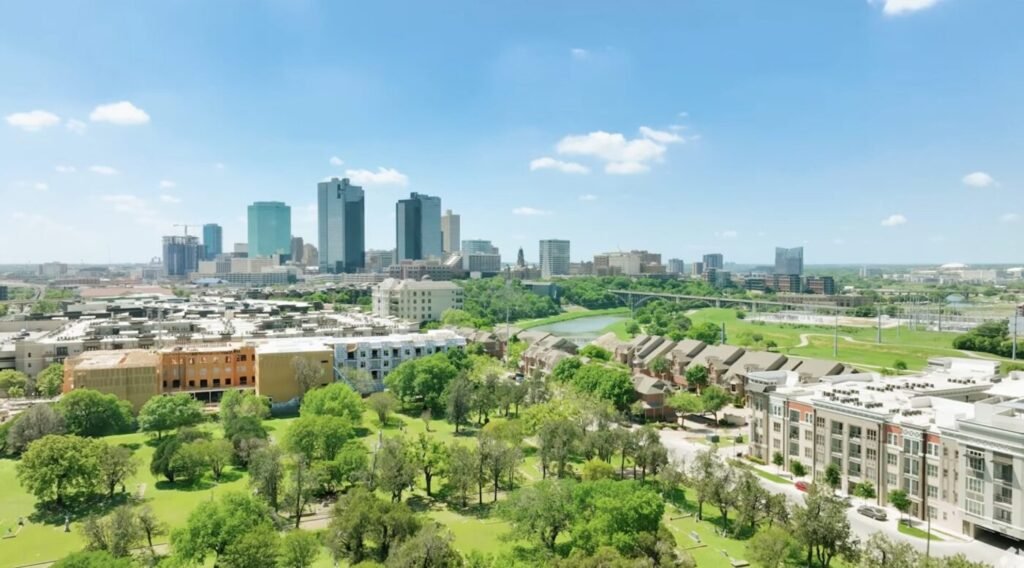
Texas has been building enormous numbers of homes, yet affordability remains difficult for many households.
The state’s builders have responded by reducing the size and price of some new homes. By March, the median price of new construction had fallen to about $341,500, narrowing the gap with existing homes to roughly $15,000.
That is a considerable shift from the years before the pandemic, when new construction often carried a much larger premium.
But $341,500 remains far beyond what many moderate-income households can comfortably buy, particularly with mortgage rates and property taxes added to the monthly payment.
Manufactured housing attacks a different part of the equation by reducing the cost of building the house itself.
SB 785 attacks another: the zoning barrier that can prevent the house from being placed anywhere inside a city. Neither solves the cost of land. And in fast-growing Texas suburbs, land may be the hardest part of the affordability equation to change.
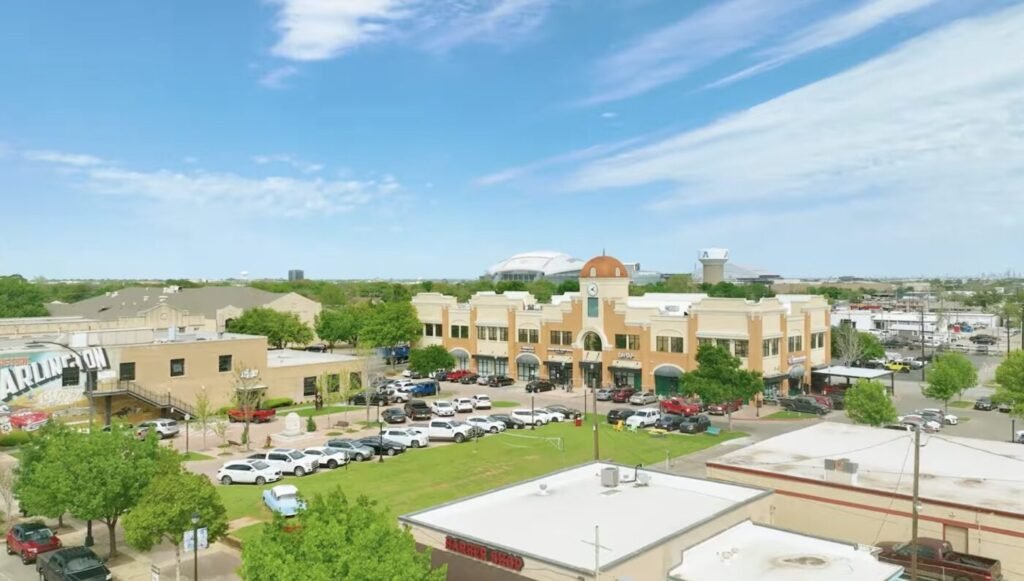
Texas is testing a different approach
Housing policy across the Sun Belt is increasingly moving from city halls to state capitols.
States have begun limiting local restrictions on accessory dwelling units, minimum lot sizes, multifamily housing and other forms of residential construction as lawmakers search for ways to increase supply.
Texas has now extended that approach to manufactured housing. It is not banning local zoning. It is telling cities there must be at least one place where this particular form of lower-cost housing is allowed without requiring an extra discretionary permit that comparable housing in the same district does not need.
That leaves cities with considerable control. It also removes the simplest form of resistance: keeping manufactured homes out everywhere.
Whether that translates into thousands of additional homes will depend on decisions being made now, city by city.
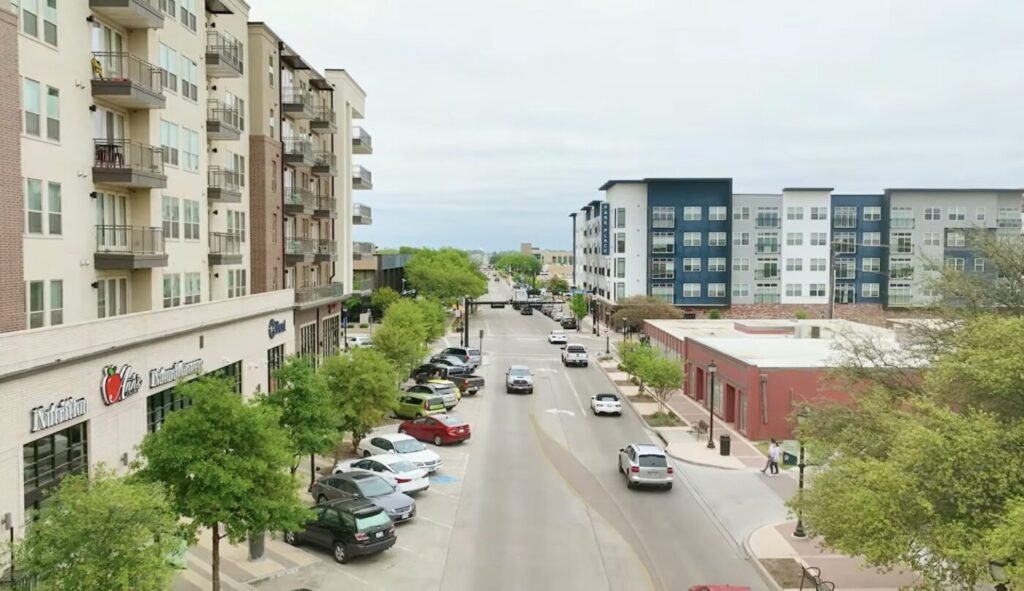
The law has opened the door.
The more important question is how wide Texas communities decide to leave it.
If you’ve been following growth and change around here, these stories are worth a look too.
About the Desk

Across the Sun Belt

An Austin Entrepreneur Wants to Make the Scholarship Search Less Overwhelming
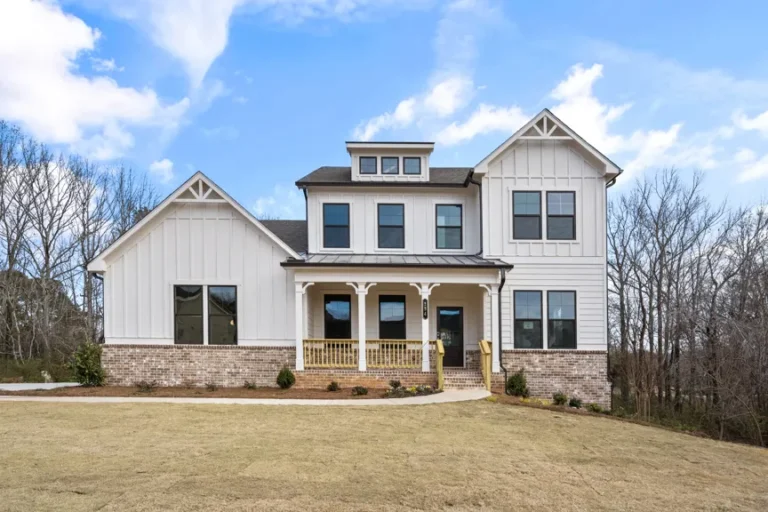
Sun Belt Home Prices Are Softening, but Mortgage Rates Are Taking Back the Savings
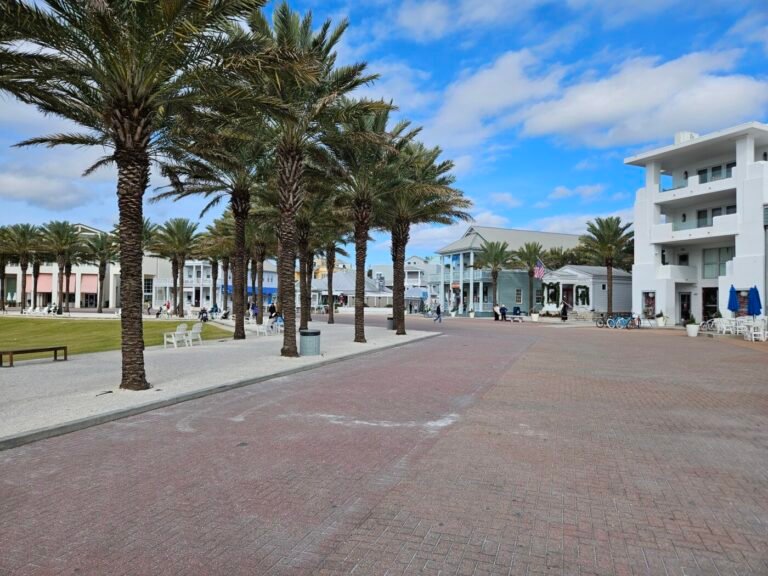
America’s Homeowners Have Never Been Richer. Some Recent Sun Belt Buyers Are Underwater

Sun Belt Home Prices Are Flattening. Buyers Still Can’t Afford Them

TSMC Eyes Texas Expansion, Holds Talks on Elon Musk’s Terafab
South Texas Businesses Struggle to Find Workers as Immigration Arrests Surge
Community Voice
A snapshot of reader views, not a scientific survey.
Explore Community Voice →