A Weekend in Savannah, Georgia: Southern Streets, Slow Walks, and Coastal Air
Savannah, Georgia offers a relaxing weekend trip with walkable historic squares, Southern cuisine, and nearby beaches. Its easy pace suits families and travelers seeking a calm, charming escape.
Get major local stories and development updates.
This article is part of our Weekend Escapes from North Atlanta series — curated trips within driving distance from Johns Creek, Alpharetta, Cumming, Roswell, Milton, Duluth, and Suwanee.
There’s a point on the drive southeast when the landscape begins to flatten and stretch, the trees thinning just enough to let the light settle differently across the road. The shift is gradual, but noticeable. By the time you arrive in Savannah, the pace has already slowed.
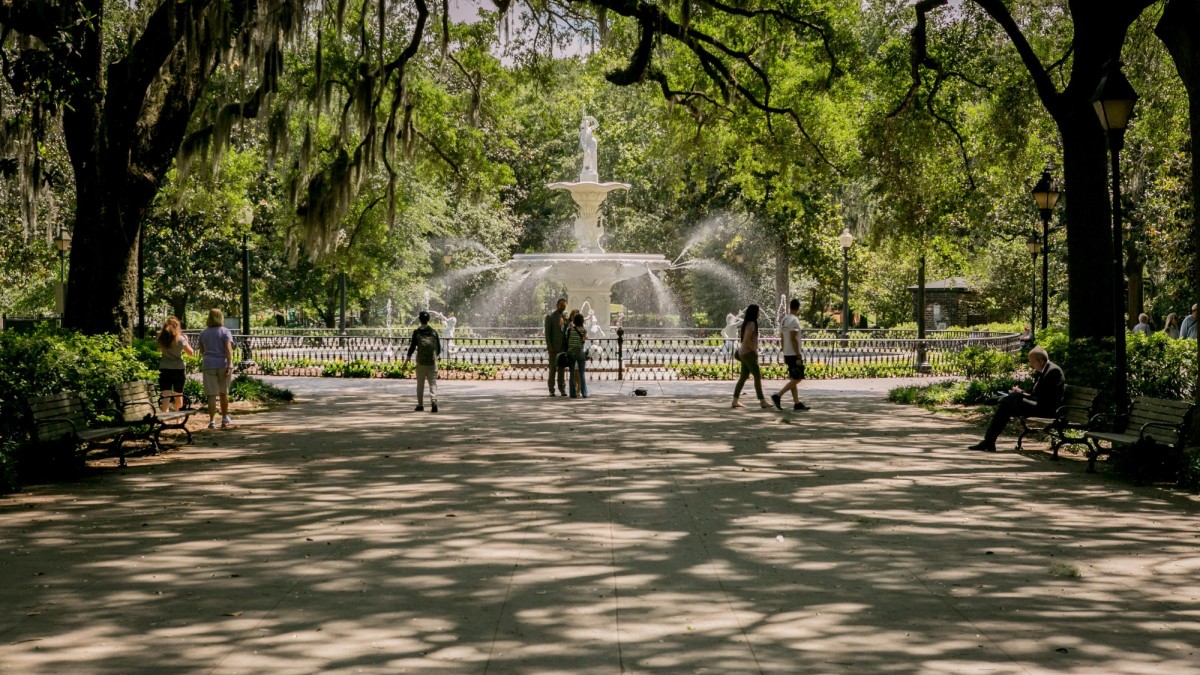
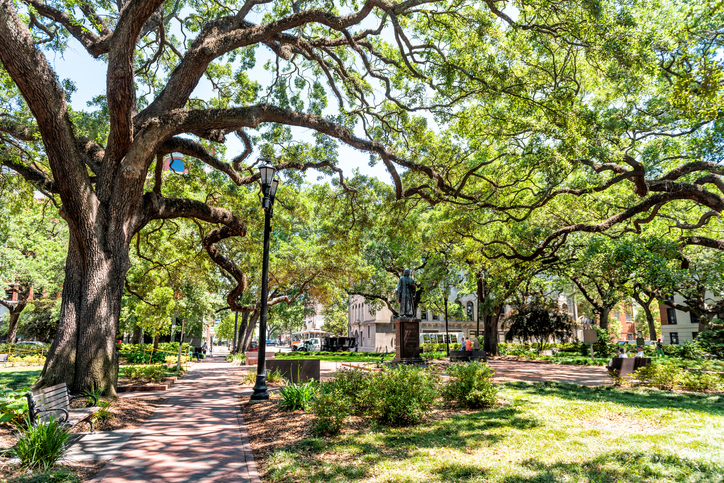
Savannah doesn’t rush you. It’s built on a grid of historic squares, shaded by oak trees and Spanish moss, where walking becomes the default way to experience the city. Unlike mountain towns that rely on scenery, Savannah draws you in through atmosphere—architecture, rhythm, and a sense that time moves a little differently here.
Getting There from North Atlanta
From Johns Creek, Alpharetta, or South Forsyth, Savannah is about 250 miles away, typically a 4 to 4.5-hour drive.
The most straightforward route follows I-75 South to I-16 East, which leads directly into the city. It’s a long but simple drive, with minimal navigation once you’re on I-16.
For many North Atlanta residents, Savannah sits right at the edge of what feels like an easy weekend trip. Leave early, and you can still arrive in time for a full afternoon.
First Impressions: A City Built for Walking
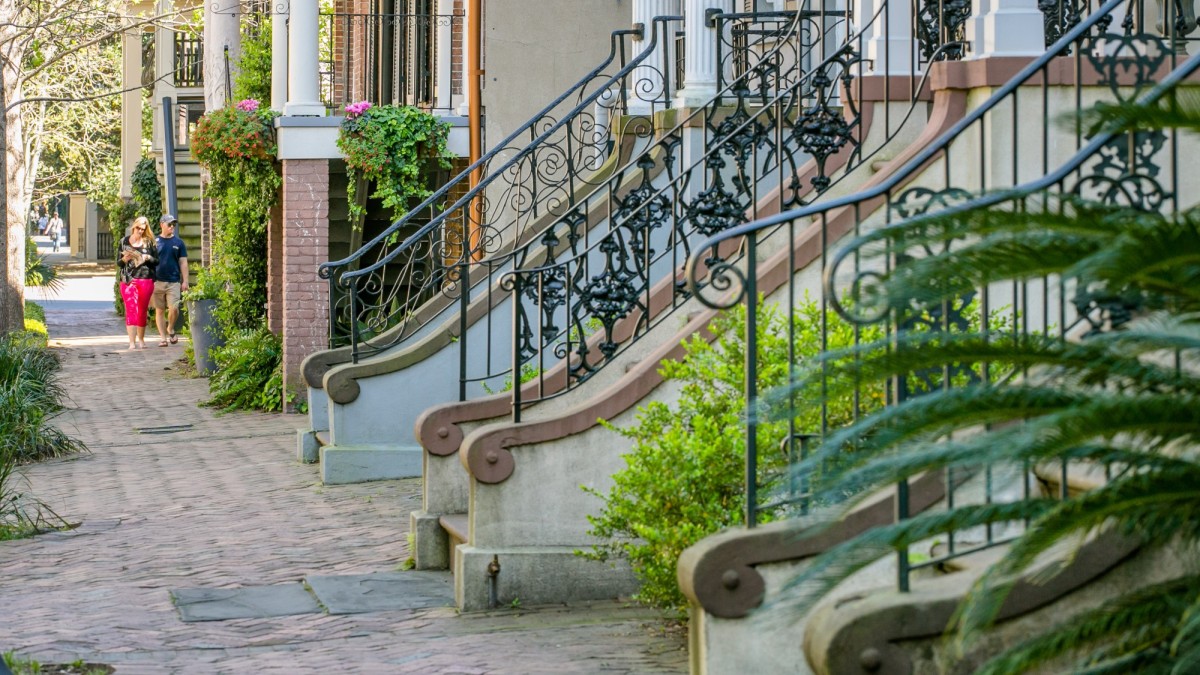
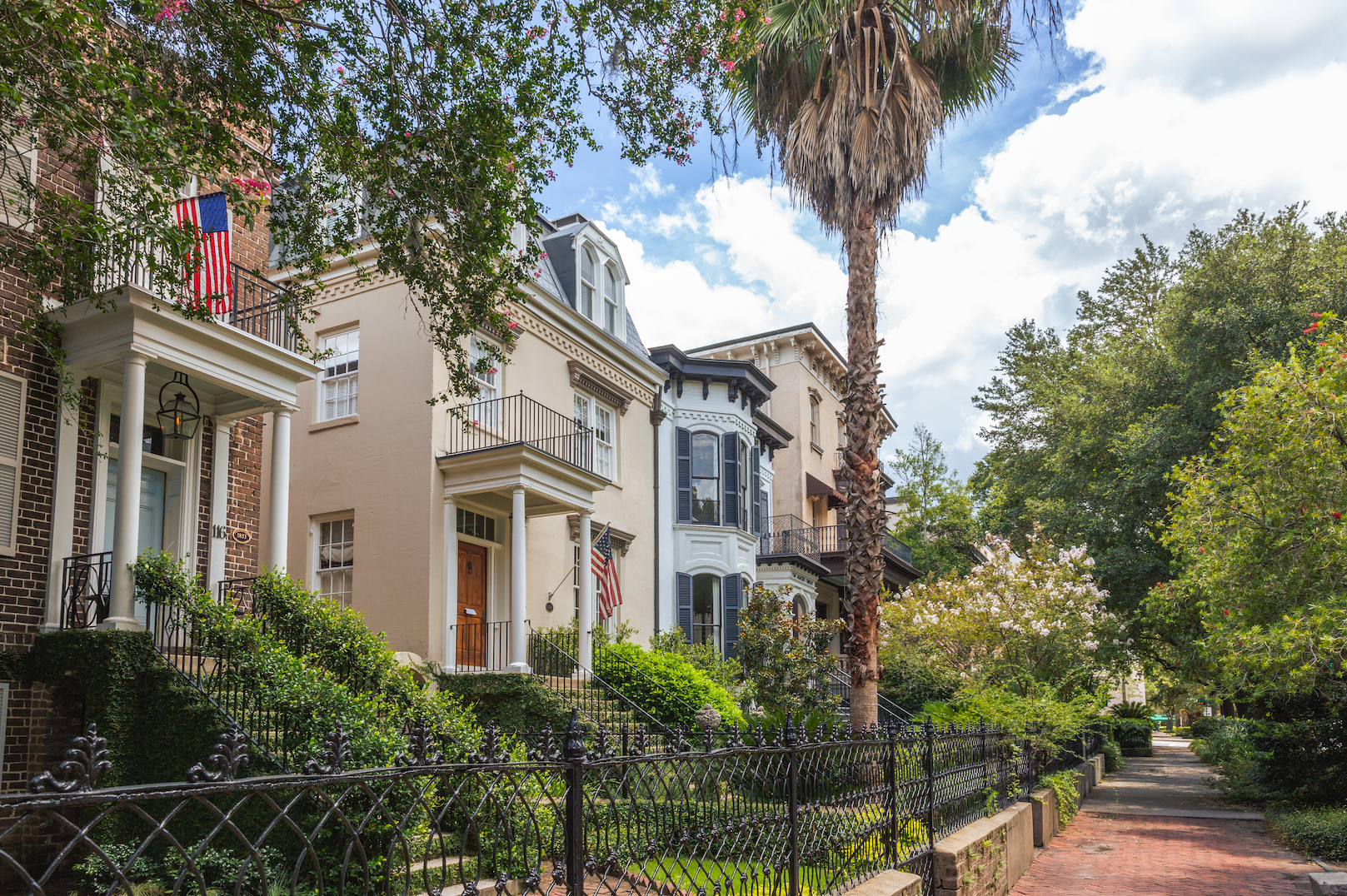
The heart of Savannah is its historic district, organized around a series of small, green squares. Each one feels slightly different, but together they create a rhythm that shapes how you move through the city.
The most recognizable is Forsyth Park, anchored by its iconic fountain and wide walking paths. It’s often the starting point, but not the only one worth visiting.
What stands out is how walkable everything feels. You don’t move from one major attraction to another—you drift, moving from square to square, street to street, with stops along the way.
What to Do: Walk, Pause, and Let the City Set the Pace

Savannah works best when you resist the urge to over-plan.
Start with a long walk through the historic district. Let the layout guide you rather than following a strict route. The squares naturally lead you through different parts of the city.
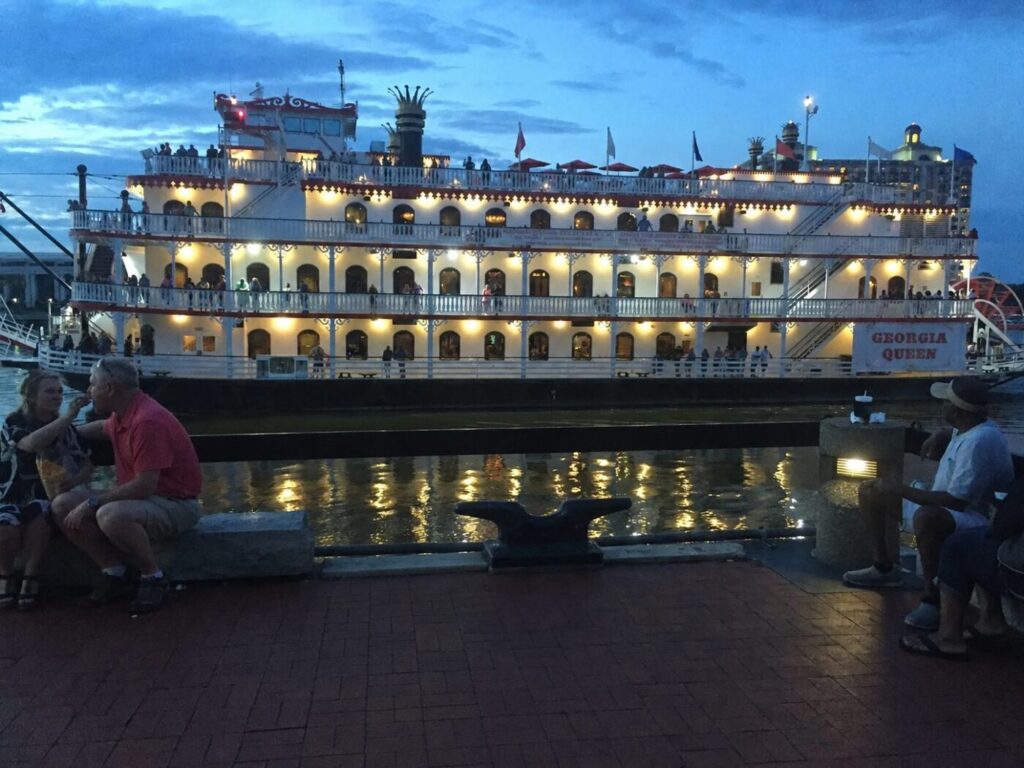
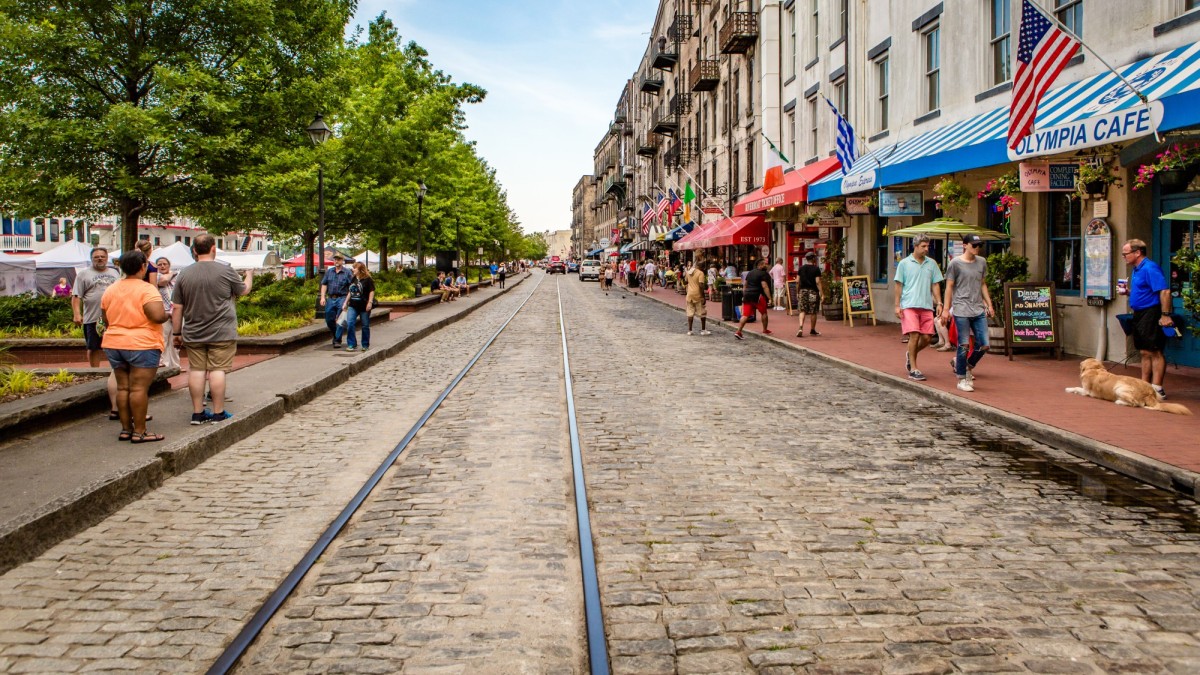
Head toward River Street for a different atmosphere. The cobblestone streets, old warehouses, and views of the Savannah River create a contrast to the quieter squares.
If you want to step slightly outside the city, a short drive takes you to Tybee Island, where the coastal setting shifts the experience again—beach, open water, and a more relaxed shoreline pace.
But most visitors find that staying within the historic district offers more than enough for a weekend.
Where to Eat: Southern, Coastal, and Well-Established
Savannah’s dining scene is one of its strongest draws, blending Southern traditions with a more modern, refined approach.
The Grey stands out as one of the city’s most recognized restaurants, set inside a restored Greyhound bus terminal and known for its creative Southern cuisine.
Husk Savannah focuses on regional ingredients and seasonal menus, offering a more grounded but equally polished experience.
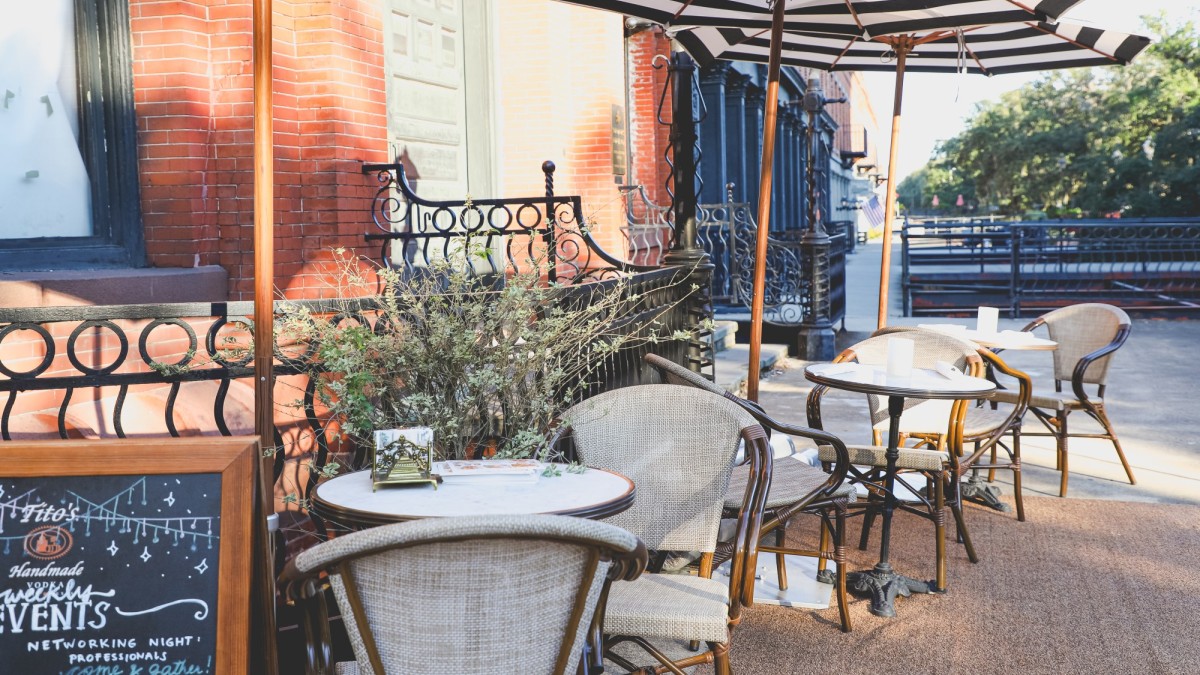
For more casual meals, the city is full of cafés, bakeries, and smaller spots where you can stop without planning ahead. Brunch, in particular, is part of the rhythm here.
Where to Stay: Historic Hotels and Walkable Comfort
Where you stay in Savannah can shape the entire trip.
Staying within the historic district is key. It allows you to explore on foot without constantly thinking about transportation.
Perry Lane Hotel offers a more modern luxury experience with rooftop views and a central location.
For something more historic, The Marshall House provides a classic Savannah stay with architecture and atmosphere that reflect the city’s past.
Boutique inns and bed-and-breakfasts are also widely available, often set inside restored historic homes that add to the experience.
Savannah With Kids: What Actually Works (and What Doesn’t)
Savannah can work surprisingly well for families—but only if expectations are set correctly. This is not a theme park destination, and it doesn’t rely on constant stimulation. What it offers instead is space, walkability, and enough variety to keep a day moving without feeling rushed.
What works best tends to be simple. The city’s layout, built around its historic squares, gives kids room to move without needing a strict plan. Many of the squares function like small parks, with shade, benches, and open areas where children can pause, reset, and move again. Starting at Forsyth Park is usually the easiest entry point. The fountain, open lawns, and nearby playground create a natural anchor for the day.
Walking works—but only in stretches. Savannah is best approached in segments rather than long, continuous routes. A loop through a few squares, followed by a stop for a snack or drink, tends to work better than trying to cover the entire historic district at once.
For a change of pace, heading toward River Street can add variety, though it’s worth noting that the cobblestones and elevation changes can make strollers less practical. Older kids usually enjoy it more than younger ones.
One of the most reliable ways to reset the day is to step outside the city. A short drive to Tybee Island shifts everything—open beach, space to run, and a more relaxed coastal rhythm that contrasts with the historic streets.
What tends not to work is overpacking the schedule. Savannah rewards a slower approach, and trying to turn it into a checklist of attractions often leads to frustration. Similarly, long formal tours can be hit or miss depending on age and attention span, though shorter options—like a quick trolley loop—can help cover ground without too much effort.

Dining also requires a bit of balance. Many restaurants lean toward a more refined, slower-paced experience, which can be challenging for younger children. Mixing in casual cafés and flexible stops throughout the day usually makes the overall experience smoother.
In the end, Savannah with kids works best when treated as a flexible environment rather than a structured itinerary. A few anchor points—Forsyth Park, a walk through the squares, a stop along River Street, and possibly a beach visit—are often enough to shape a full and enjoyable day without overcomplicating it.
When to Go: Choosing the Right Season
Savannah changes noticeably with the seasons.
Spring is one of the most popular times to visit. The weather is mild, and the city’s greenery is at its peak.
Fall offers a similar balance, with slightly fewer crowds and comfortable temperatures.
Summer is warmer and more humid, but still active, especially for those combining the trip with time at Tybee Island.
Winter is quieter, with fewer visitors and a more relaxed pace, though some days can feel cooler and less vibrant.
A Simple Weekend Itinerary
Arrive Friday afternoon and settle into your hotel. Take an early evening walk through the squares, followed by dinner nearby.
Saturday is for walking. Start at Forsyth Park, move through the historic district, and make your way toward River Street. Stop often—for coffee, shops, or simply to sit in one of the squares.
On Sunday, either revisit a favorite part of the city or take a short drive to Tybee Island before heading back.
Read Also:
About the Author


In North Atlanta

Amasa Mexican Kitchen Opens at Alpharetta City Center
North Atlanta Weekend Guide: Festivals, Dogs, Live Music and the First Feel of Fall

Dervish Plans 200-Seat Turkish Restaurant in Johns Creek

Dumpling Master Opens at Peachtree Corners Town Center

ANDRITZ Is Hiring Engineers and Project Leaders in Alpharetta
Fall Is the Right Time to Repair Many North Atlanta Lawns
IN NORTH ATLANTA