Private Schools for the Ultra-Wealthy Are Expanding in Florida. Could North Atlanta Be Next?
Jobs, development, business, housing and growth stories from across the Sun Belt.
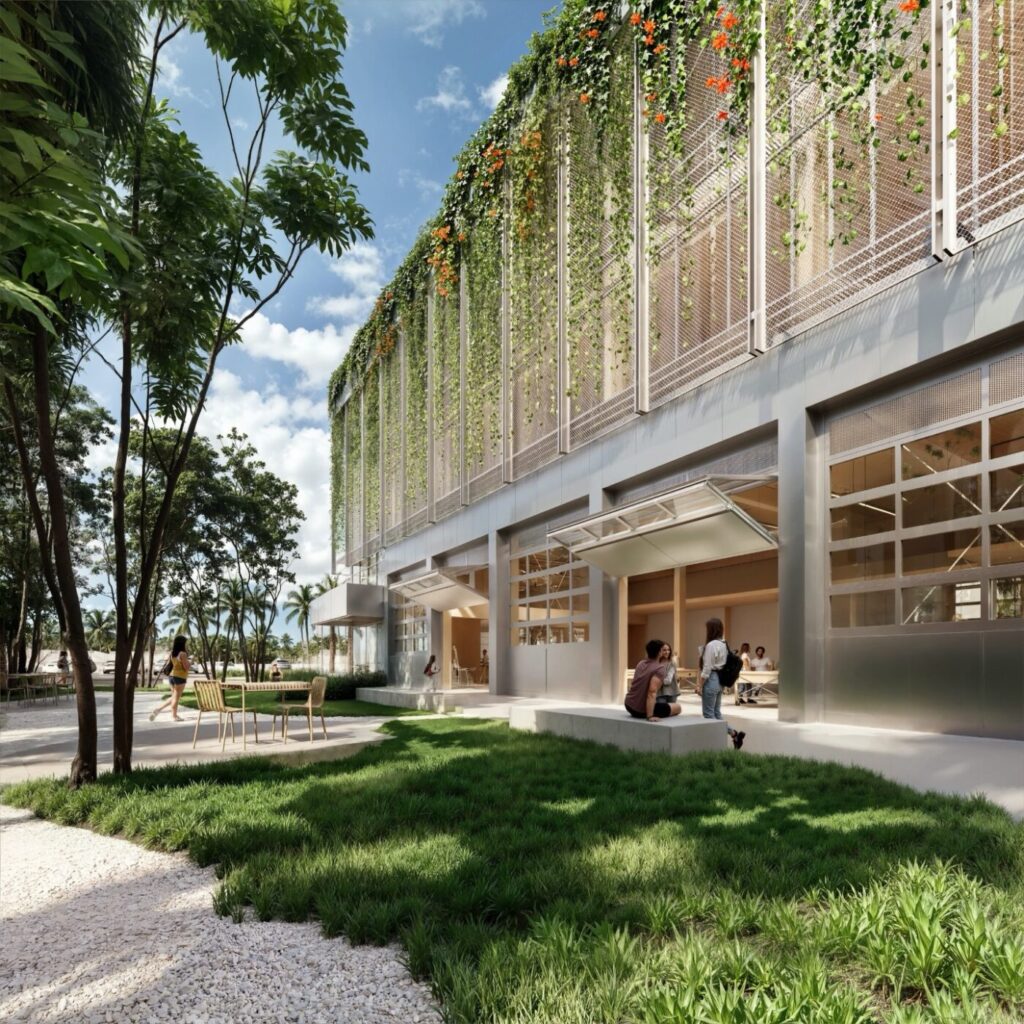
Photo: Courtesy of The Greene School, Facebook page
A new kind of private school is taking shape in parts of the United States—schools built not just for quality education, but for a very specific tier of wealth and expectation. In South Florida, where an influx of high-net-worth families has reshaped entire communities, billionaires and tech founders are no longer just choosing schools. They are building them.
At campuses like The Greene School in West Palm Beach, the model looks very different from traditional private education. Students learn with flight simulators and 3-D printers, eat chef-prepared meals, and move through tightly orchestrated, tech-driven school days. Tuition can reach $50,000 per year, yet demand still exceeds supply.
The reason is simple: there aren’t enough seats.
A Bottleneck That Starts With Schools
In South Florida, one of the biggest barriers to relocation for executives is no longer housing or office space. It’s schools. Even elite private institutions have long waiting lists, sometimes stretching years.
That shortage has triggered a new response. Wealthy families are funding entirely new campuses, sometimes investing tens of millions of dollars to create schools tailored to their expectations—smaller class sizes, specialized curriculum, and pathways to top universities.
Thinking About Moving to the Carolinas?
A short scouting trip can help you experience the neighborhoods, commutes and everyday character of a possible new home. Compare places to stay in several of the Carolinas’ fastest-growing destinations.
North Atlanta Star may earn a commission when readers book through these links, at no additional cost to the traveler.
This raises a natural question for North Atlanta.
Could something similar happen here?
The Current Landscape in North Atlanta
North Atlanta already sits in a very different position from South Florida.
Communities like Alpharetta, Johns Creek, Milton, and parts of South Forsyth are built around highly ranked public school systems. For many families, that’s the main draw. The public schools themselves function almost like premium education products, supported by strong tax bases and consistent demand.
Private schools exist across the region—well-established names, faith-based institutions, and smaller academies—but the market has not reached the same level of scarcity or pressure seen in South Florida.
There are waiting lists in certain cases, especially at top-tier schools, but not at a level that is actively blocking relocation decisions across the region.
Why North Atlanta Isn’t There Yet
The conditions that led to ultra-private school development in Florida are only partially present here.
South Florida has seen a rapid influx of hedge fund managers, tech executives, and ultra-high-net-worth individuals in a relatively short period. That surge created immediate pressure on infrastructure, including schools.
North Atlanta has grown steadily, but more gradually. Corporate relocations, tech expansion, and financial sector growth have brought wealth into the area, yet the pace has allowed institutions—especially public schools—to keep up.
There’s also a cultural difference. In North Atlanta, even affluent families often choose public schools by default. In places like Palm Beach or Miami Beach, private education is more deeply embedded as the expected path for certain social and professional circles.
Where Pressure Could Build
That doesn’t mean the model won’t appear here. There are early signs that could point in that direction over time.
The region continues to attract executives from the Northeast and West Coast. Wealth concentration is increasing in pockets of Milton, Alpharetta, and South Forsyth. Real estate development is pushing toward more luxury-oriented communities. And expectations around education are evolving, especially among families relocating from cities where private schooling is the norm.

If those trends accelerate, a familiar pattern could emerge. First, longer waitlists at top private schools. Then expansion projects. Eventually, the possibility of entirely new institutions designed for a narrower, more affluent audience.
A Closer Look at North Atlanta’s Most Competitive Private Schools
Within the current landscape, a handful of private schools already operate at the highest tier of demand in and around Alpharetta, Johns Creek, and Milton. Schools such as Greater Atlanta Christian, Wesleyan, Mount Pisgah, and King’s Ridge draw families not only from North Fulton but from across the metro area.
Admission into these schools is selective, and in many cases begins years before entry. It is not uncommon for families to apply during preschool years or earlier, particularly for entry points like kindergarten or sixth grade. Waitlists exist, though they tend to be managed quietly and vary year by year depending on enrollment caps and attrition.
Tuition has steadily climbed into the $20,000 to $35,000 range annually, with some programs exceeding that once fees, extracurriculars, and transportation are included. Financial aid is widely available, but the overall structure still reflects a premium market.
What distinguishes these schools is less about extreme luxury and more about consistency—small class sizes, strong college placement records, and a controlled academic environment. Compared to the experimental, founder-driven schools emerging in South Florida, North Atlanta’s top private institutions remain relatively traditional in structure and governance.
Public vs. Private: How Outcomes Compare Locally
One of the reasons North Atlanta has not seen a surge in billionaire-built schools is that the public system already performs at a high level.
High schools in districts serving Johns Creek, Alpharetta, and South Forsyth routinely rank among the top in Georgia. Graduation rates are high, standardized test scores are strong, and Advanced Placement participation is widespread. For many families, these schools offer an academic experience that rivals private education at no direct tuition cost.
Private schools, however, offer a different kind of value proposition.
They provide smaller environments, more individualized attention, and often a clearer path through the college admissions process. Counseling resources tend to be more concentrated, extracurricular offerings can be more curated, and class sizes are typically lower.
The difference is not always about outcomes in a measurable sense—both systems regularly send students to competitive universities—but about experience and control. Families choosing private schools are often seeking predictability, flexibility, or a particular educational philosophy.
In practical terms, North Atlanta operates in a hybrid model. Strong public schools reduce the urgency for private alternatives, while a stable network of private institutions absorbs demand from families seeking something different.
That balance is what has, so far, prevented the kind of supply crisis now unfolding in parts of Florida.
Here are a few more stories worth your time.
Read also:
School Capacity in North Atlanta. Is There Enough Room for the Next Generation?
About the Author

Across the Sun Belt

An Austin Entrepreneur Wants to Make the Scholarship Search Less Overwhelming

Across the Sun Belt, the Classroom Is Becoming a New Policy Battleground

A Weekend in Charleston, South Carolina: Coastal Elegance, Walkable Streets, and Slower Days
A Weekend in Highlands, North Carolina: A Cooler, Quieter Mountain Escape

A Weekend in Charleston: Coastal Light, Historic Streets, and Long Evenings