Hyundai Plans $413 Million Alabama Factory Upgrade, With 53 New Jobs Expected
Hyundai plans to invest more than $412 million in its Montgomery plant for hybrid engines and future Tucson and Santa Fe models. The project is expected to create 53 full-time jobs.
Get the week’s jobs, development, housing and growth stories from across the Sun Belt in one email.
Hyundai plans to invest more than $412 million in its Montgomery, Alabama, assembly plant to prepare for hybrid engines and its next generation of vehicles. The expansion is expected to create just 53 new full-time jobs.
The contrast is striking for one of Alabama’s major automotive employers. The precisely identified capital investment is $412,885,541, while company and state leaders have described the broader initiative as nearly $450 million. The difference between those two figures has not been explained publicly.
The new positions will pay an average of $30.03 an hour, or about $62,467 annually. Hyundai already employs approximately 4,200 people at the Montgomery site, where it has produced vehicles since 2005.
New engines and updated SUVs
The investment will expand the plant’s engine manufacturing capabilities to include hybrid powertrains and technology for extended-range electric vehicles. Such vehicles use an internal-combustion engine to help generate electricity and extend driving range, rather than relying solely on charging from an external outlet.
The upgrades are intended to prepare Montgomery to build the next-generation Tucson, including hybrid models, and an updated Santa Fe.
Hyundai’s cumulative Montgomery investment stands at nearly $2.2 billion, according to the governor’s office. The office did not give a production date for the new engines or a detailed equipment breakdown in its Oct. 28 announcement.
Why so much money for 53 jobs?
The investment works out to roughly $7.8 million for each newly announced position if the full $412.9 million is divided by the 53 jobs. That figure does not represent the cost of hiring each employee. Most of the investment will go toward the plant’s production capabilities rather than wages for new staff.
Modern automobile factories depend on specialized machinery, robotics, tooling and tightly coordinated supply chains. Reconfiguring an existing plant to produce different engines and vehicle models can require enormous spending without adding thousands of workers.
The more important employment question may be what the changes mean for the existing 4,200-person workforce. A factory equipped for new vehicle generations can compete for future production assignments and sustain demand for skilled workers, though the new investment itself does not guarantee every job will remain indefinitely.
That distinction matters across the Sun Belt, where states and communities regularly celebrate large manufacturing investment totals. Capital spending and job creation measure different outcomes. A plant upgrade can protect an industrial base or support nearby suppliers even when the number of new jobs is relatively small.
Alabama’s long-running automotive investment
Hyundai began vehicle production in Montgomery more than two decades ago, helping establish the region as a major automotive manufacturing center. The company estimates its plant and suppliers generate more than $5 billion in annual economic activity, although such estimates are different from the direct wages and tax revenue collected in the community.
The Montgomery expansion is primarily an investment in new production equipment, with a relatively small increase in staffing expected: 53 jobs at a plant that already employs about 4,200 people.
Community Voice
A snapshot of reader views, not a scientific survey.
Explore Community Voice →About the Desk

Across the Sun Belt
Rebuild Manufacturing Plans 150 New Jobs in Rock Hill, With Factory Opening Expected in November
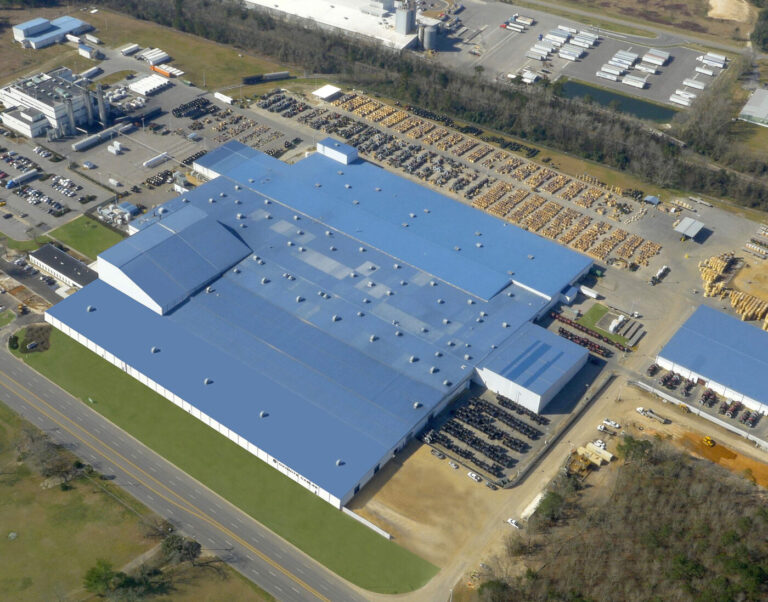
A $400 Million South Carolina Factory Expansion Will Create 105 Jobs
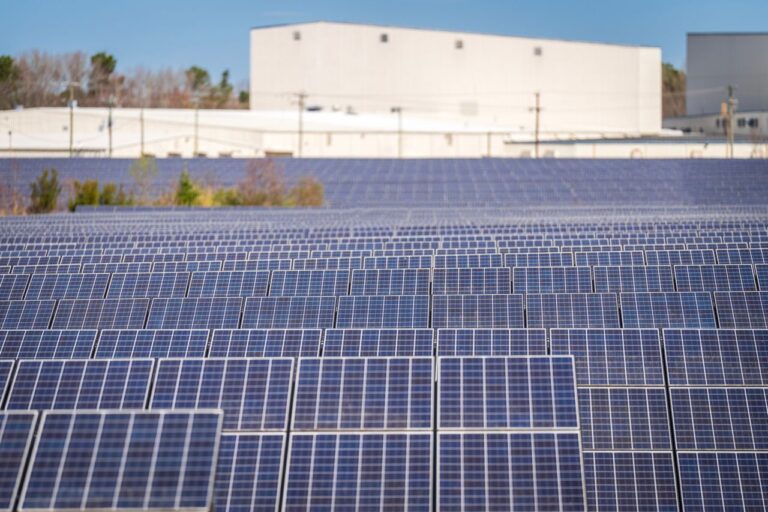
Tesla’s $10.1 Billion Solar Factory Plan Could Bring Nearly 10,000 Jobs to Texas
The Sun Belt’s Battery Belt Is Losing Jobs as EV Factory Plans Shrink and Shift
The AI Boom Is Creating Factory Jobs in Tulsa to Power Data Centers in Texas