 Exclusive sponsor
North Atlanta’s Housing Divide: Homeownership Ranges From 48% to 80%
Homeownership rates in North Atlanta differ greatly among communities. Johns Creek leads with over 80% ownership, while Cumming has less than half of its homes owner-occupied. The split reflects unique local housing markets shaped by development and affordability trends.
Major local stories and useful updates, once a week.
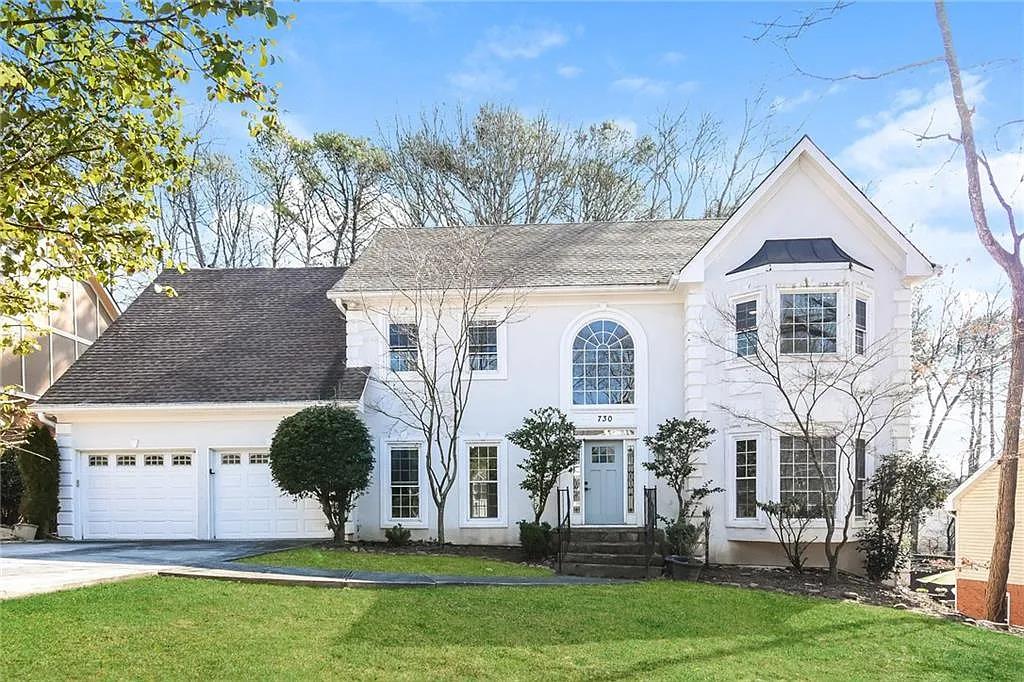
North Atlanta is commonly described as a landscape of subdivisions, homeowners associations and single-family houses. That description fits some communities far better than others.
More than 80% of occupied homes in Johns Creek are owner-occupied. Sugar Hill is close behind at 79.9%.
Inside the city limits of Cumming, however, homeowners occupy only 48% of housing units. Peachtree Corners stands at 53%, while Duluth’s rate is 56.5%.
The difference reveals two increasingly distinct versions of suburban North Atlanta: communities where owning a house remains the dominant way of life, and others where apartments, townhomes and rental communities make up a much larger portion of the housing supply.
Where owners and renters live
The figures are from the U.S. Census Bureau’s 2020–24 American Community Survey estimates. The renter share is calculated by subtracting the owner-occupied rate from 100%.
| Community | Owner-occupied | Renter-occupied | Median gross rent |
|---|---|---|---|
| Johns Creek | 80.4% | 19.6% | $2,257 |
| Sugar Hill | 79.9% | 20.1% | $1,862 |
| Milton | 72.5% | 27.5% | $2,065 |
| Roswell | 71.9% | 28.1% | $1,810 |
| Alpharetta | 65.1% | 34.9% | $1,948 |
| Suwanee | 59.0% | 41.0% | $1,885 |
| Duluth | 56.5% | 43.5% | $1,828 |
| Peachtree Corners | 53.0% | 47.0% | $1,701 |
| Cumming | 48.0% | 52.0% | $1,705 |
Georgia’s statewide owner-occupancy rate is 65.7%, according to the Census Bureau’s current housing estimates.
That places Alpharetta almost precisely at the state rate. Johns Creek, Sugar Hill, Milton and Roswell sit well above it. Suwanee, Duluth, Peachtree Corners and Cumming fall below it.
Johns Creek remains a homeowner city
Johns Creek has the highest homeownership rate in this comparison, with owners occupying slightly more than four out of every five homes.
That number is consistent with the city’s physical form. Much of Johns Creek was developed as planned subdivisions before the city incorporated in 2006. Apartment communities exist, but detached houses remain the dominant residential type across large portions of the city.
The city also has the highest median rent in the comparison at $2,257, according to the Johns Creek census profile.
That makes the relatively small rental market an expensive one. A low renter share does not necessarily mean renting is affordable for households seeking access to Johns Creek schools or proximity to North Fulton employment centers.
Sugar Hill combines growth with high ownership
Sugar Hill’s 79.9% homeownership rate is especially notable because the city is also one of North Atlanta’s fastest-growing communities.
Its population increased 16.8% between the 2020 estimate base and July 2025, but the city has continued to maintain a housing profile dominated by homeowners. Sugar Hill also has the largest average household size in the comparison, at 2.98 people.
The numbers suggest that much of the city’s growth continues to come through family-oriented residential development rather than an apartment-led transformation. The Sugar Hill Census profile places median gross rent at $1,862.
Milton and Roswell also remain strongly owner-oriented. Homeowners occupy 72.5% of Milton housing and 71.9% in Roswell. Median rent reaches $2,065 in Milton and $1,810 in Roswell, according to their respective Milton and Roswell profiles.
Suwanee occupies the middle ground
Suwanee has a reputation for subdivisions and family neighborhoods, but its 59% homeownership rate is considerably below those of Sugar Hill and Johns Creek.
Renters occupy approximately 41% of the city’s housing. That places Suwanee closer to Duluth than to Sugar Hill, despite the two cities’ geographic proximity.
The figure reflects the apartments and mixed residential development concentrated near major corridors and newer activity centers. Median gross rent is $1,885, according to the Suwanee Census profile.
Alpharetta sits between North Fulton’s owner-heavy cities and Gwinnett’s more evenly divided communities. Its owner-occupancy rate is 65.1%, with a median rent of $1,948. The city’s large employment base and supply of apartments near Avalon, North Point and Windward help distinguish it from neighboring Johns Creek and Milton. Alpharetta’s complete Census profile also reports slightly more than 25,000 households.
Peachtree Corners and Duluth are nearly evenly divided
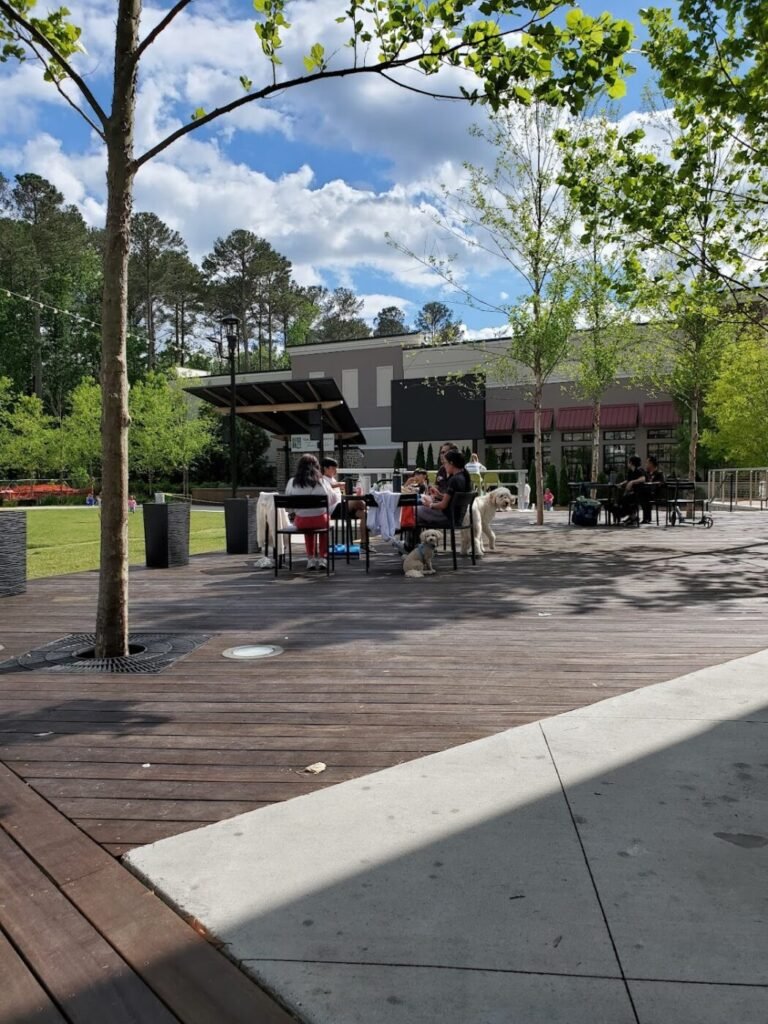
In Peachtree Corners, homeowners occupy 53% of housing units and renters occupy the remaining 47%. That is the closest owner-renter division among the larger cities in the coverage area.
Duluth is only slightly more owner-oriented, at 56.5%.
Both cities contain substantial apartment inventories near commercial corridors and employment centers. Their average household sizes are also comparatively small: 2.38 people in Peachtree Corners and 2.45 in Duluth.
Median rent is $1,701 in Peachtree Corners and $1,828 in Duluth. The figures appear in the Census Bureau’s profiles for Peachtree Corners and Duluth.
Cumming’s city limits tell a different story from its mailing area
Cumming is the only community in the comparison where renters occupy a majority of housing units.
Its 48% homeownership rate applies strictly to the incorporated city—not the much larger area commonly described as Cumming through the 30040 and 30041 mailing addresses.
Most South Forsyth subdivisions lie outside Cumming’s municipal boundaries. Inside the city, apartments, senior housing and denser residential development represent a larger share of the relatively small housing base.
That boundary distinction is essential. The number should not be interpreted to mean that most households throughout South Forsyth rent their homes.
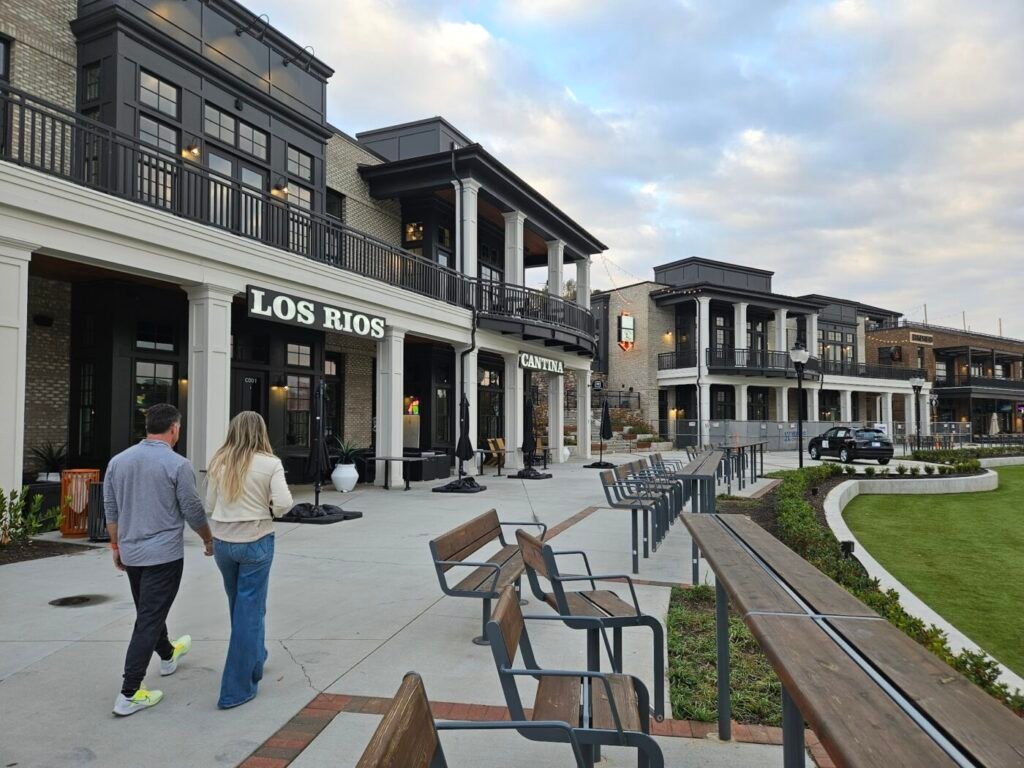
Cumming’s median gross rent is $1,705, while the estimated population within the city limits reached 12,494 in July 2025. The Cumming Census profile reports that only 2,709 households were included in the 2020–24 household estimate, underscoring how different the incorporated city is from the broader Cumming address area.
Why the divide matters
Homeownership rates affect more than real-estate marketing.
Cities dominated by homeowners may face greater demand for property-tax relief, aging-in-place services and protection of established neighborhoods. Communities with large renter populations must pay closer attention to apartment conditions, tenant turnover, housing affordability and access to local decision-making for residents who may move more frequently.
The divide also shapes debates over future development. A city with few rentals may see new apartments as a significant change in character. In a city already split almost evenly between owners and renters, another multifamily community joins an established part of the housing market.
North Atlanta remains a suburban homeowner stronghold in many places. But the numbers show that there is no single regional housing model. Crossing from Johns Creek into Peachtree Corners—or from unincorporated South Forsyth into Cumming city proper—can mean entering a substantially different housing market.
If this felt close to home, these stories may be worth your time too.
Community Voice
A snapshot of reader views, not a scientific survey.
Explore Community Voice →About the Author


In North Atlanta
Most Homes Sold Below Asking in Cumming, Johns Creek and Alpharetta
North Atlanta Housing Snapshot: What Buyers Can Find From the $300,000s to $1 Million
Renting or Buying? North Atlanta’s Suburbs Tell a Different Housing Story
North Atlanta’s Homeownership Divide Spans 31 Percentage Points
North Atlanta Added 11,000 Residents, but the Growth Is Concentrated in Three Cities

North Atlanta Property Tax Survival Guide
IN NORTH ATLANTA