Corpus Christi Faces a Possible Cut to Emergency Well Pumping as Rural Water Concerns Grow
Corpus Christi's groundwater regulator plans to consider a 6.5-million-gallon-a-day pumping limit after concerns about the effects of emergency wells on surrounding water supplies.
Get the week’s jobs, development, housing and growth stories from across the Sun Belt in one email.
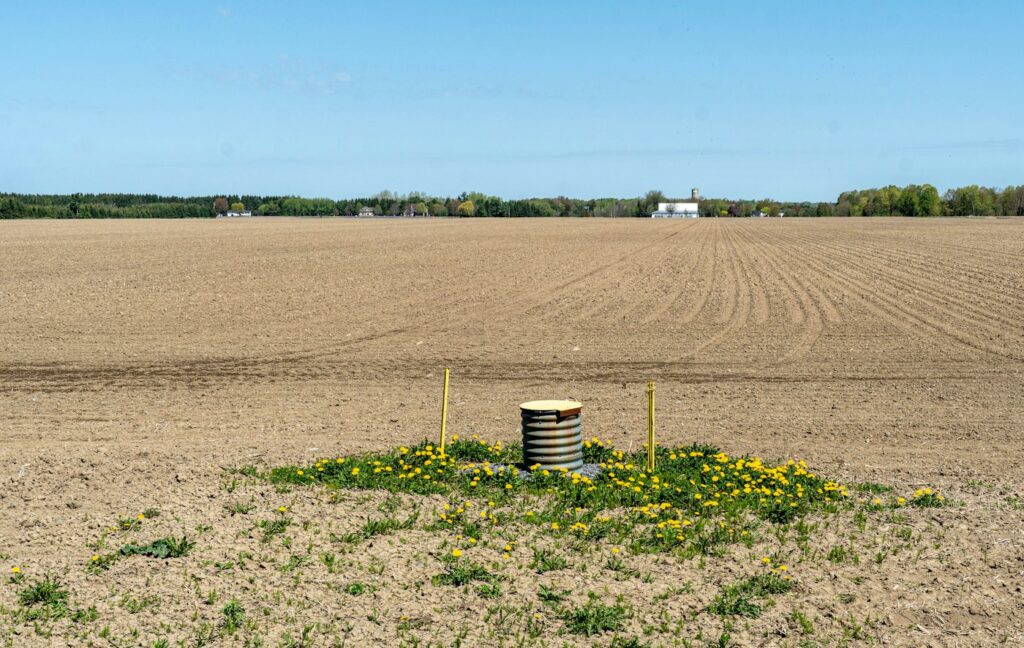
Corpus Christi turned to emergency groundwater wells when drought pushed its drinking-water system toward a crisis. Now the board overseeing those wells is preparing to consider a major reduction in pumping, setting up a new dispute over how much water the city can safely draw from the aquifer beneath surrounding rural communities.
The Corpus Christi Aquifer Storage and Recovery Conservation District has a meeting scheduled for December 3, after canceling its November 19 session. Two board members have proposed limiting city pumping to 6.5 million gallons a day until the city meets requirements intended to protect groundwater supplies. The proposal has not been approved, and the final December 3 agenda has not yet been posted.
Corpus Christi has permits for 20 wells capable of producing as much as about 40 million gallons a day. Actual pumping has averaged less than one-third of that permitted amount, according to a November 19 investigation by The Texas Tribune and KRIS 6 News, which examined how the permits were approved and how neighboring well owners could be affected.
An emergency water supply with a long-term cost
The wells were developed while the city’s reservoirs fell during a prolonged drought. They offered a comparatively fast way to add water without waiting for larger supply projects to be completed. Summer rainfall improved reservoir conditions and eased the immediate emergency, but Corpus Christi still expects water-supply pressure in the years ahead.
Under the proposed 6.5-million-gallon ceiling, the city would have considerably less water available from the wells than it has recently pumped. Board members raising the issue say the present operating rate could harm nearby groundwater users before sufficient monitoring and protections are in place.
A groundwater model commissioned by the city projects that sustained pumping could lower groundwater levels in surrounding areas and contribute to land subsidence. In some modeled conditions, groundwater levels could fall by as much as 100 feet within five years; the analysis also examined subsidence reaching roughly 20 inches near the western well field over three decades. Those figures are projections, tied to assumptions about pumping and aquifer behavior, rather than observed damage.
Corpus Christi publishes weekly pumping totals and permit conditions through its groundwater program.
Who controls the wells?
The governance arrangement has become central to the argument. The conservation district’s directors are appointed by Corpus Christi’s City Council, and its staff members are city employees. The district approves permits for the municipal water supplier while also having responsibility for conserving the aquifer.
The Tribune and KRIS 6 investigation found that the district approved the city’s well requests quickly and bypassed procedural safeguards intended to assess effects on other water users. City officials disputed any conflict of interest. They said pumping is monitored and the district has authority to determine when permit applications contain enough information for approval.
Rural residents fear that the cost of the city’s emergency supply could fall on private wells used for homes, farms and businesses. Groundwater moves beneath property lines, and withdrawals in one location can change water levels elsewhere in the same aquifer.
The city’s position is also consequential. Corpus Christi supplies water to residents and major industrial customers. Reducing a source introduced during a drought would leave the city more reliant on its other reservoirs and water-supply projects.
A December decision with implications beyond Corpus Christi
Texas depends heavily on groundwater, and communities throughout the state are weighing how much water to reserve for homes, agriculture, industry and future growth. Corpus Christi is an especially sharp example because its water supplier and the body regulating its wells are closely connected.
The district has not yet adopted the proposed pumping limit. The city’s public meeting bulletin board will carry the official notice and agenda when posted. Those materials will establish whether the proposed cap comes to a vote on December 3 and the conditions attached to it.
Community Voice
A snapshot of reader views, not a scientific survey.
Explore Community Voice →About the Desk

Across the Sun Belt

Texas Built a New Rural Hospital. It Couldn’t Afford a Place to Deliver Babies

A $950 Million Solar Factory Plan Could Turn a Texas Campus Into a Domestic Supply Hub

They Moved to Rural Texas for Quiet. Then the Technology Boom Arrived.

A $200 Million South Carolina Expansion Will Help Supply America’s GLP-1 Drug Boom

A $1.4 Billion Medical-Isotope Reactor Is Planned for Rural New Mexico