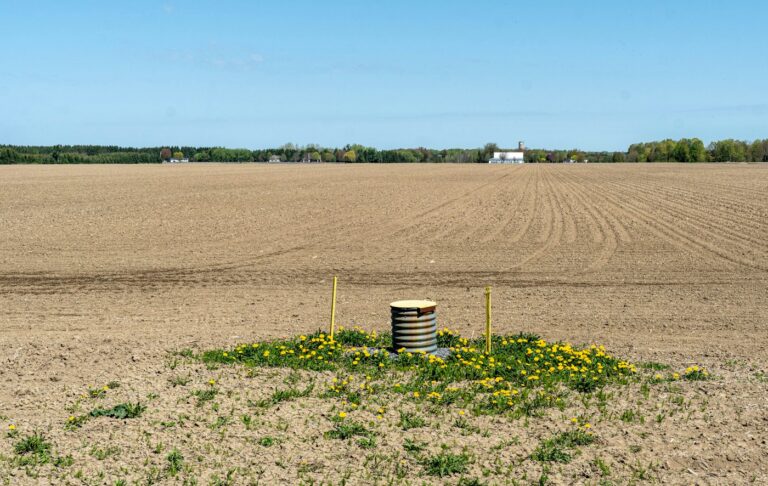
Along the Guadalupe, 50,000 Native Trees Become a Measure of Recovery
Volunteers in Texas are planting locally grown cypress and other native trees along the flood-damaged Guadalupe River, beginning a restoration that will take decades.
Get the week’s jobs, development, housing and growth stories from across the Sun Belt in one email.
Based on reporting by Emily Foxhall, The Texas Tribune, November 24, 2026.
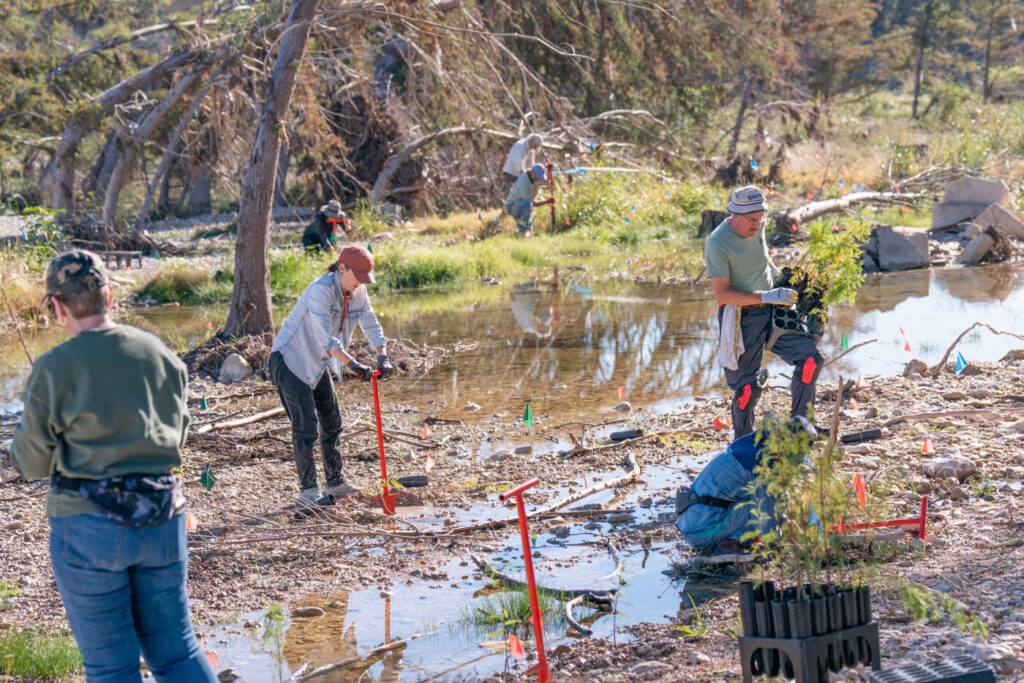
Along the Guadalupe River in the Texas Hill Country, thousands of new trees are being grown for a landscape that lost much of its familiar shade during devastating floods. Volunteers have begun planting the first young bald cypresses, some barely a foot tall, in the places where enormous trees stood for generations.
The effort, led by the San Antonio Botanical Garden, aims to plant 50,000 native trees over the next two years. Its starting material is unusually local: seeds gathered from cypresses and other trees that already grow along the Guadalupe River, rather than stock purchased from distant nurseries.
The work is part of Kerr County’s long recovery from the July 4, 2025 flood that killed more than 100 people. Floodwaters tore away riverbanks, trees and homes. The river flooded severely again in July 2026, damaging land that residents and volunteers were already trying to restore.
Rebuilding the river from its own seeds
More than 850,000 seeds have been gathered for the project. Volunteers sorted them by hand, and growers distributed seed material among nurseries across Texas. Only about a third of the bald cypress seeds germinated. Those that survived are being raised for eventual planting beside the river.
The San Antonio Botanical Garden’s TREES initiative combines local seed collection, nursery growing and volunteer planting. In addition to cypresses, the effort includes native willows, pecans, oaks and sycamores. Local genetic material matters because the parent trees have adapted to the Hill Country’s soil, weather and waterways.
The ecological losses were enormous. An analysis by the Bandera County River Authority and Groundwater District estimated that roughly half the vegetation along a 30-mile stretch of the river disappeared. The lost canopy had cooled the water, sheltered wildlife, slowed erosion and provided a defining feature of the area’s camps, parks and tourism economy.
The young trees will need years of care. Drought, deer and future floods may kill some of them, and surviving bald cypresses will take decades to approach the size of the trees that once lined the river. The garden and its partners are also working with landowners to restore grasses and smaller native plants that can stabilize disturbed banks sooner.
A future few volunteers will see fully grown
At Louise Hays Park in Kerrville, volunteers began planting saplings in November. Other residents have placed trees on their own riverfront properties, sometimes protecting them with wire cages and mulch while they establish roots in the rocky ground.
For families whose memories are tied to the river, the changes go beyond erosion and habitat. The towering cypresses framed swimming holes, summer camps, fishing trips and generations of family photographs. Their absence has made familiar stretches of the river hard to recognize.
The rebuilding effort also has financial support. The botanical garden received a $2 million grant from the Community Foundation of the Texas Hill Country, with additional fundraising and a matching commitment intended to sustain the work.
The first plantings will not restore the old river in a season. They do, however, put living roots back along a damaged shoreline and give the next generation the possibility of knowing the shaded Guadalupe that earlier generations loved.
Original reporting and photographs: Emily Foxhall, The Texas Tribune. The Texas Tribune is a nonprofit, nonpartisan newsroom.
Community Voice
A snapshot of reader views, not a scientific survey.
Explore Community Voice →About the Desk

Across the Sun Belt
Logistics Company to Add 150 Jobs in Texas With 340,000-Square-Foot Expansion Near San Antonio
Blue Origin Plans $554 Million Texas Factory, Bringing More Than 2,000 Jobs
A $3.2 Billion Texas Shipyard Breaks Ground With Up to 10,000 Jobs Planned
Tesla’s $10.1 Billion Solar Factory Plan Could Bring Nearly 10,000 Jobs to Texas

The Data-Center Boom Needs Factories, Too. This Texas Plant Is Heading Toward 4,000 Workers

Texas Sports Academy, tied to AI-driven Alpha School, is Texas’ biggest voucher recipient so far
ACROSS THE SUN BELT