Tiny Trackers Will Reveal Where Georgia Tech’s Wildlife Spends Its Days
Georgia Tech expects to begin tracking campus wildlife around March 2027. Biologist Benjamin Freeman tells NAS what birds’ favorite places could teach Atlanta gardeners.
Major local stories and useful updates, once a week.
Georgia Tech researchers plan to give birds, butterflies and lizards tiny tracking devices to learn how they move through campus. For the birds, Benjamin Freeman wants to begin with a simple question: Where are the best places to spend the day?
The answer could help gardeners and neighborhood park planners across metro Atlanta decide what to plant and preserve.
Freeman, who co-leads the project with fellow Georgia Tech biologist James Stroud, told North Atlanta Star that tracking is expected to begin around March 2027, when the equipment arrives.
“We have ideas, but we are only out there for small sections of each day, and the tags will tell us where birds are hanging out most of the time,” Freeman said in an email.
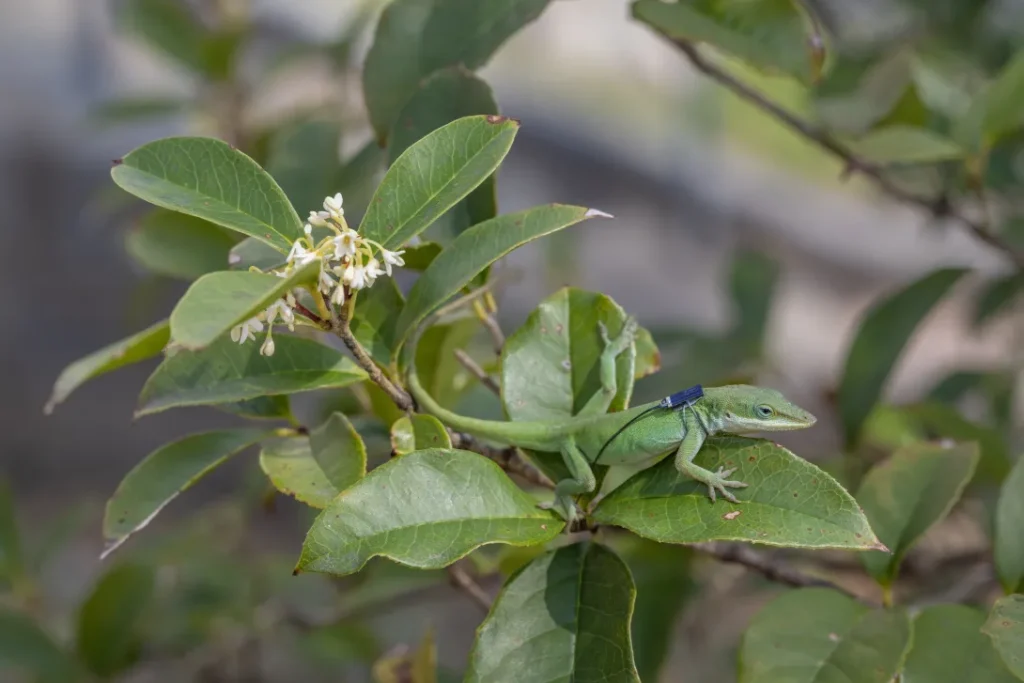
The campus research project will use Bluetooth-enabled trackers small enough to be carried by the animals. A sensor shown on one lizard weighs just three-hundredths of a gram. Students will help tag animals and analyze their movements, with the program aiming to involve more than 800 students a year.
Freeman and Stroud are assistant professors in Georgia Tech’s School of Biological Sciences. Their plans include tracking familiar birds such as northern cardinals, eastern bluebirds and northern mockingbirds, as well as monarch and gulf fritillary butterflies during their fall migration.
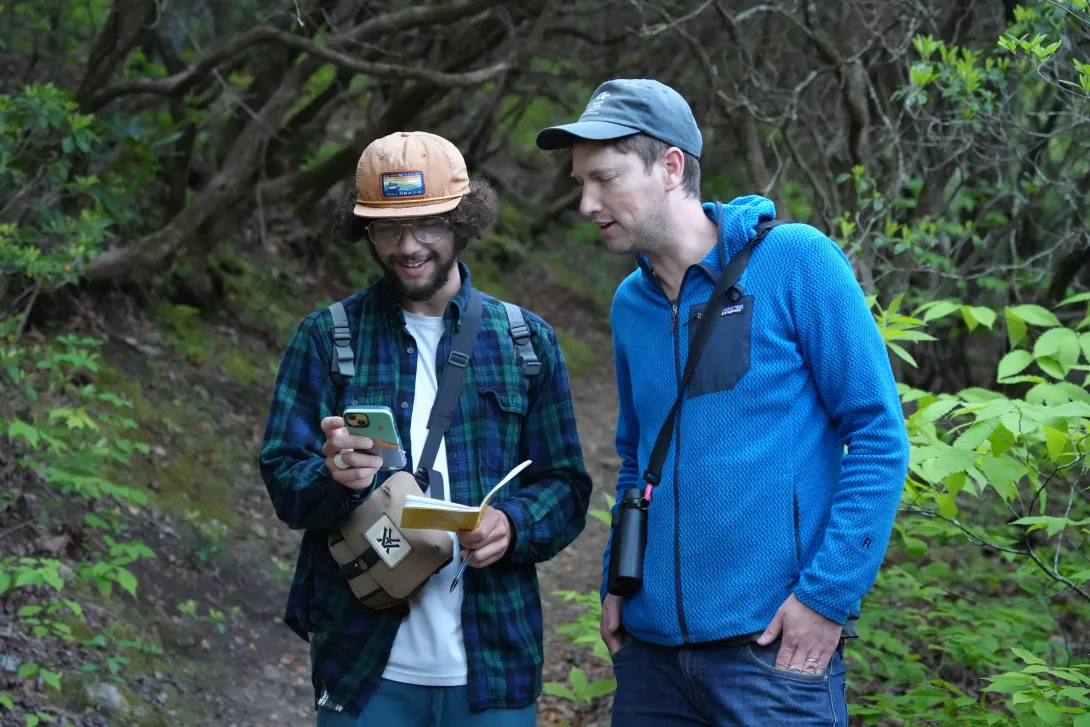
For North Atlanta residents watching birds in their yards, Freeman sees a practical use for the information. Once researchers identify the places birds use most, they can examine what those places have in common.
“Do they have the most native plants? The biggest oak trees? The most greenery in general?” he said.
Those comparisons could help establish what makes good bird habitat in Atlanta, including in private gardens and neighborhood parks, Freeman said.
One promising place is already close at hand. Freeman pointed to the Kendeda EcoCommons, where land that was a parking lot in 2019 has become habitat for plants and animals.
“So we know things can change for the better rapidly here on campus,” he said.
The tracking project will let the team look more closely at how birds use that restored space and other parts of campus throughout the day. Researchers also plan to study animal movements alongside measurements of temperature, humidity and other environmental conditions.
Freeman has a particular bird in mind: the brown-headed nuthatch.
He described it as “a tiny little ball of feathers that hangs out in family groups & sounds like a squeaky toy.”
Its fondness for pine trees is familiar to him. Where Georgia Tech’s nuthatches actually spend their time is something he wants the new equipment to reveal.
“We know it likes pine trees, but I’m really curious to get good data on which parts of campus our nuthatches use,” Freeman said.
Community Voice
A snapshot of reader views, not a scientific survey.
Explore Community Voice →About the Author

In North Atlanta
Lake Lanier Falls More Than Eight Feet Below Full Pool as Drought Operations Begin
Brookhaven Approves $750,000 Land Purchase to Expand Lynwood Park
Milton Is Reconsidering How Every Home’s Trash Gets Collected

Thousands of Fish Found Dead Along Chattahoochee River Stretch West of Atlanta
North Atlanta’s Environmental Story Is Still Being Written in Its Rivers and Forests
Bear Reported Near Alpharetta Elementary School Area, Police Ask Residents to Stay Alert
IN NORTH ATLANTA