 Exclusive sponsor
North Atlanta’s Environmental Story Is Still Being Written in Its Rivers and Forests
Rare wildlife still thrives in North Atlanta’s rivers and forests despite growing development. Conservation projects work to protect sensitive species in this suburban region.
Major local stories and useful updates, once a week.
The suburban corridor stretching through Johns Creek, Alpharetta, Milton, Cumming, and Suwanee is often associated with new neighborhoods, widening roads, and rapid commercial growth. Yet beneath that expansion lies a quieter reality: some of Georgia’s rarest wildlife still survives in the streams, wetlands, forests, and river corridors woven through these communities.
For many North Atlanta residents, the Chattahoochee River is part of everyday suburban life — a place for kayaking, riverside trails, fishing, and weekend parks stretching from Roswell to the western edge of metro Atlanta. But the recent discovery of thousands of dead fish along a 20-mile stretch of the river west of the city has underscored how fragile the river system can become under growing environmental pressure.
Conservation experts have long warned that the Chattahoochee is one of the Southeast’s most sensitive ecological corridors. Native species such as the Chattahoochee Bass rely on cool, oxygen-rich water conditions that are increasingly difficult to maintain as development expands across North Fulton and surrounding suburbs. Stormwater flowing off roads, rooftops, parking lots, and construction zones carries sediment, pollutants, and heat into tributaries feeding the river system, placing mounting stress on fish populations already vulnerable to drought, sewage overflows, and declining water quality.
Farther north, in parts of South Forsyth tied to the Etowah River basin, several federally protected darter species continue to struggle against habitat disruption. The Amber Darter, Etowah Darter, and Cherokee Darter rely on clean gravel shoals where they lay eggs and shelter from predators. When heavy runoff carries loose soil, fertilizers, and lawn chemicals into these waterways, the fine sediment settles over the gravel beds and disrupts breeding habitat.
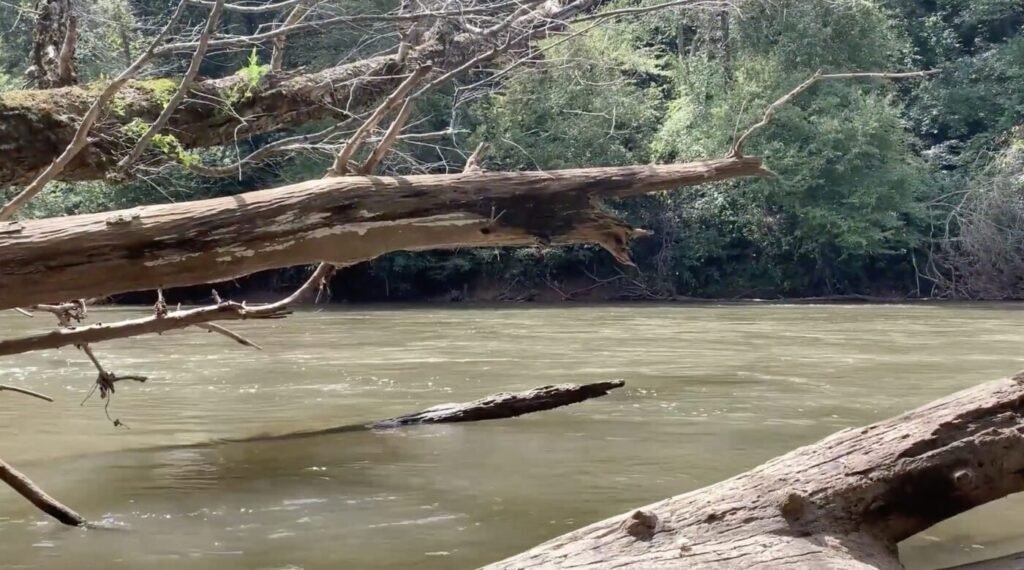
The region is also home to unusual lesser-known species that many longtime residents have never heard of. One example is the Coosa Madtom, a small nocturnal catfish found in the Etowah basin. The species hides beneath rocks during the day and emerges at night to feed on aquatic insects. Researchers have even documented females laying eggs inside discarded bottles and cans resting along streambeds.
On land, endangered and threatened species face a different set of challenges. The Georgia Aster, a purple wildflower native to the Southeast, historically thrived in open landscapes. In modern suburban environments, aggressive mowing, and dense landscaping have reduced many of the open habitats the plant once depended on. Protected areas within the Chattahoochee River National Recreation Area now serve as some of the species’ remaining refuges.
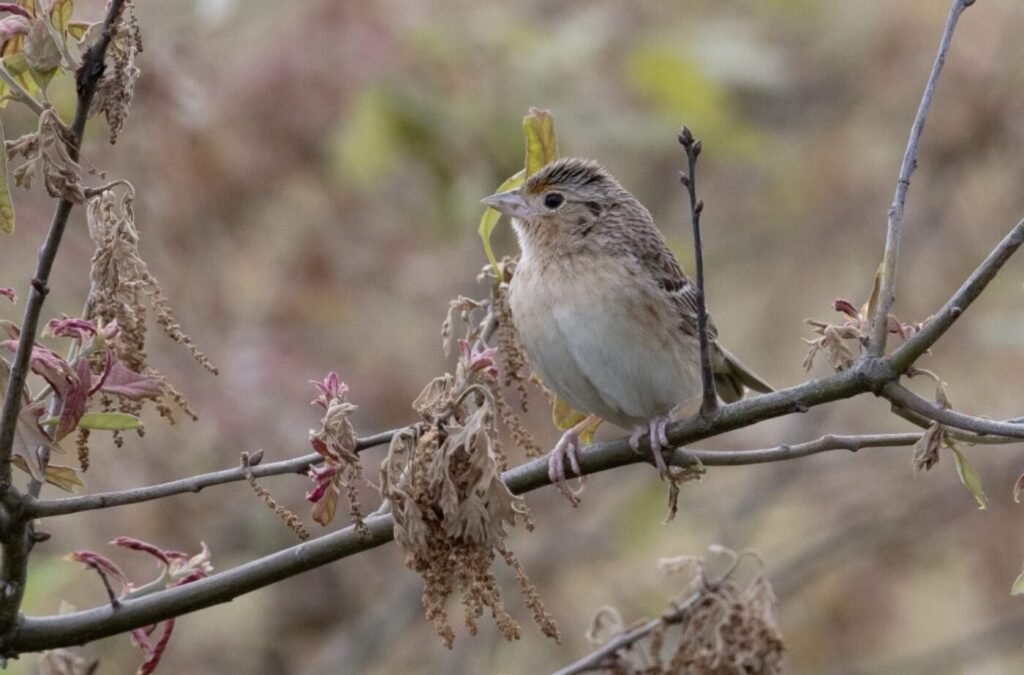
Birds and mammals are also closely tied to the health of these river systems. Grassland birds such as the Henslow’s Sparrow and Grasshopper Sparrow continue to rely on open riparian meadows near the river corridor, while the federally endangered Gray Bat depends on healthy aquatic insect populations for survival.
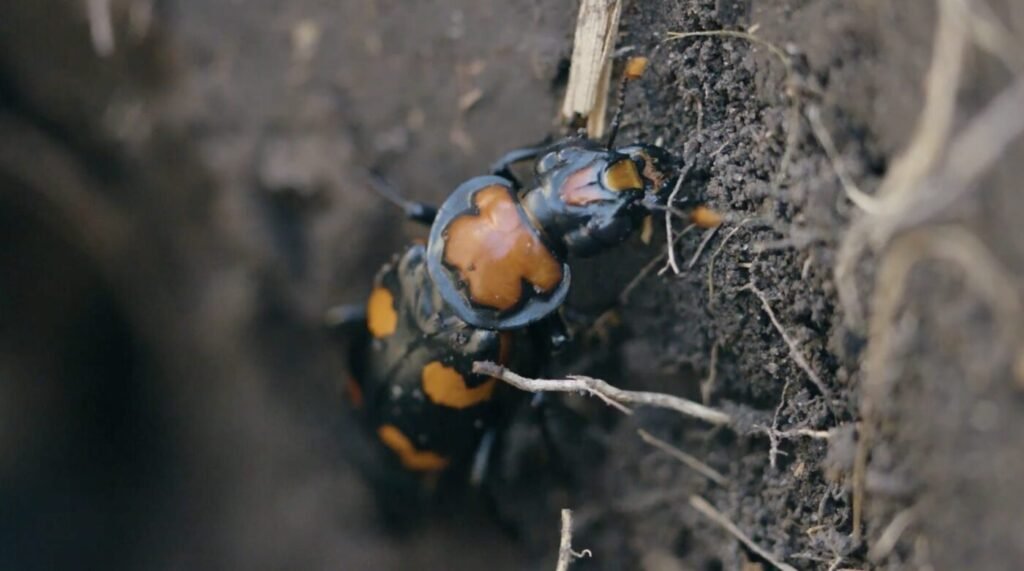
The disappearance of species can happen gradually enough that residents barely notice. Fulton County once supported populations of the American Burying Beetle, a federally threatened insect now considered gone from Georgia. The beetle played a unique ecological role, burying small animal carcasses underground to feed its young. Its disappearance reflects broader habitat fragmentation across the region.
Conservation efforts across North Atlanta increasingly rely on partnerships between nonprofit organizations, wildlife rehabilitators, public agencies, and residents themselves. Habitat restoration projects along the Chattahoochee corridor are helping restore native grasslands and bird-friendly ecosystems, while centers such as the Chattahoochee Nature Center continue caring for injured native wildlife and educating local families about conservation.
For homeowners, small decisions can have meaningful impacts. Reducing lawn chemical use, planting native vegetation, installing rain gardens, and preserving natural creek buffers can all help reduce pollution entering local waterways. Citizen science programs are also allowing residents to contribute directly by documenting rare species sightings through Georgia’s biodiversity databases.
In fast-growing suburbs where construction cranes and new developments often dominate the landscape, these ecosystems can feel easy to overlook. Yet many of Georgia’s rarest species are still living quietly alongside subdivisions, greenways, golf courses, and backyard creeks — reminders that North Atlanta’s environmental story is still unfolding in real time.
Photo credit, featured image: Mike’s Nature Connection
If this felt close to home, these stories may be worth your time too.
Community Voice
A snapshot of reader views, not a scientific survey.
Explore Community Voice →About the Author


In North Atlanta
If a Hunter-Gatherer Tribe Suddenly Moved to North Atlanta, Could They Survive?
Brookhaven Approves $750,000 Land Purchase to Expand Lynwood Park
Peachtree Corners Moves From Deer Study to Controlled Removal
Georgia’s Turtle Season Is Underway, From Sawnee Mountain to the Barrier Islands

Is the SAT Still Worth Taking? Georgia’s Admissions Rules Have Changed
Milton Is Reconsidering How Every Home’s Trash Gets Collected
IN NORTH ATLANTA