From Monarchs to Hawks: Animals That Migrate Over North Atlanta
Get major local stories and development updates.
North Fulton, South Forsyth, and the northern Gwinnett corridor sit along several natural migration routes used by birds, insects, and some mammals moving seasonally through the southeastern United States. Because the region includes forests, suburban green corridors, creeks, and nearby access to the Appalachian foothills, a surprising number of species pass through each year.
Here are some of the most notable migratory animals that move through the North Atlanta suburbs.
Monarch Butterflies

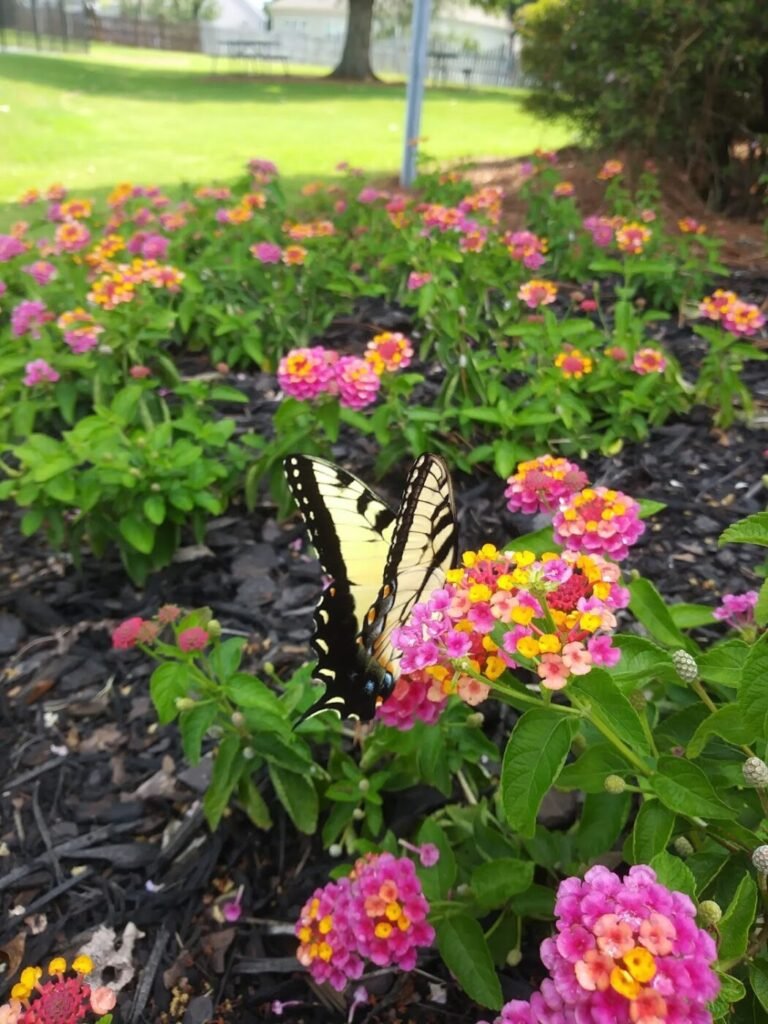
One of the most famous migrations visible in North Atlanta is the annual movement of monarch butterflies.
Each fall, monarchs travel thousands of miles from the northeastern United States and Canada toward wintering grounds in central Mexico. Georgia sits directly along one of the eastern migration routes, meaning residents sometimes see waves of monarchs passing through during September and October.
In spring, the process reverses as new generations gradually move north again. Neighborhood gardens that include milkweed plants can become temporary stopover sites for these butterflies.
How long is the monarch migration route?
The eastern monarch population — the one that passes through Georgia — travels roughly:
2,500 to 3,000 miles
The route typically runs:
Canada / Northern United States
↓
Midwestern states
↓
Georgia and the Southeast
↓
Central Mexico (Michoacán forests) where they spend the winter.
Why it takes multiple generations
In spring, the monarchs that survived the winter in Mexico begin flying north. They lay eggs along the way and then die.
The cycle continues like this:
- Generation 1 – Born in the southern U.S., flies north and lays eggs.
- Generation 2 – Continues farther north.
- Generation 3 – Reaches northern states or Canada.
- Generation 4 – The special “super generation” that flies the entire way back to Mexico.
The remarkable part
The final fourth generation, born in late summer, can live 8–9 months (far longer than normal monarchs, which live only 2–6 weeks). That generation completes the long fall migration to Mexico.
So in a full yearly cycle:
Spring → Summer northward movement: about 3 generations
Fall migration to Mexico: 1 long-lived generation
Together they complete the 3,000-mile migration loop.
Ruby-Throated Hummingbirds

Ruby-throated hummingbirds pass through the region during both spring and fall migration.
Many spend the summer breeding in Georgia, but large numbers travel farther north and then return south again later in the year. Some individuals even cross the Gulf of Mexico in a single nonstop flight of more than 500 miles.
In neighborhoods across North Atlanta, residents often place small nectar feeders in their yards during migration season to attract hummingbirds as they pass through.
For residents interested in trying this at home, hummingbird feeders are widely available online and can be easily hung near gardens, patios, or flowering plants where hummingbirds tend to search for nectar.
Canada Geese

Canada geese are among the most visible seasonal migrants in North Georgia.
Large flocks fly south in the fall and north again in spring, often forming the familiar V-shaped patterns in the sky. Some populations have become year-round residents in suburban ponds and golf courses, while others still follow traditional migration routes.
The difference largely comes down to food and climate. In earlier centuries, geese migrated south to avoid frozen lakes and scarce winter food. Today, many suburban areas provide reliable water, grass, and safety from predators throughout the year. Golf courses, retention ponds, and park lakes in places like Alpharetta, Johns Creek, Milton, and Cumming create ideal conditions for geese to remain year-round.
As a result, North Georgia now has a mix of migratory geese passing overhead during seasonal journeys and resident populations that stay in the region all year. Residents frequently see them flying over neighborhoods at dusk or gathering on local lakes and retention ponds.
Broad-Winged Hawks


During September, bird watchers across North Georgia sometimes observe dramatic “kettles” of broad-winged hawks circling high overhead.
These birds migrate from eastern North America all the way to Central and South America for the winter. On favorable weather days, hundreds or even thousands can pass overhead in large spiraling groups riding rising warm air currents.
Most people notice them as small dark shapes drifting slowly across the sky in loose clusters.
When broad-winged hawks stop to hunt during migration, they typically feed on small animals commonly found around North Atlanta’s wooded neighborhoods. Their diet often includes mice, chipmunks, small snakes, frogs, lizards, and occasionally small birds or large insects. Suburban areas with wooded creek corridors, parks, and undeveloped patches of forest provide ideal hunting grounds during these brief stopovers.
Although they rarely stay long in one place, these hawks help control populations of small rodents and other animals as they pass through the region.
American Robins

Many robins seen in North Atlanta during winter actually migrated from farther north.
Instead of staying scattered across individual yards as they do in summer, winter robins often gather in large flocks that feed on berries in wooded areas and neighborhood tree lines. These seasonal movements bring waves of robins into the region between late fall and early spring.
During spring, residents start noticing robins spreading back across neighborhood lawns as birds return to nesting territories. Homeowners interested in watching backyard birds sometimes place backyard bird feeders or birdbaths near trees and garden areas to attract robins and other local species.
White-Tailed Deer (Local Seasonal Movement)

While deer do not migrate long distances like birds, they do shift their movement patterns seasonally across North Fulton and South Forsyth.
During the fall mating season, especially from October through early December, deer travel much farther than usual. This seasonal movement is why sightings increase dramatically in neighborhoods during autumn evenings.
Read Also:
Why North Atlanta Suburbs Have So Many Deer
When Migratory Animals Typically Pass Through North Atlanta
Seasonal migration patterns mean that different animals appear in the North Atlanta suburbs at different times of year. While weather can shift timing slightly from year to year, the following seasonal calendar gives a general idea of when residents in Alpharetta, Johns Creek, Roswell, Milton, Duluth, Suwanee, and South Forsyth are most likely to notice these migrations.
| Animal | Peak Time in North Atlanta | What Residents Usually Notice |
|---|---|---|
| Monarch butterflies | Late March – May (northbound) and September – October (southbound) | Spring sightings are scattered butterflies moving north through gardens; fall migration brings larger numbers heading south |
| Ruby-throated hummingbirds | Late March – May and August – September | First hummingbirds arriving at backyard feeders and spring flowers |
| Canada geese | February – March and October – November | V-shaped flocks flying north in late winter or south in fall |
| Broad-winged hawks | April (northbound) and September (southbound) | Groups circling high in the sky riding warm air currents |
| American robins | November – February (winter flocks) and March – April (spring spread) | Robins returning to lawns and gardens as nesting season begins |
| Cedar waxwings | March – May | Flocks feeding on berries in neighborhood trees |
| Scarlet tanagers | Late April – May | Bright red males briefly appearing in wooded areas during migration |
| White-tailed deer movement | Year-round with peak movement October – December | Frequent neighborhood sightings near wooded corridors and creek areas |
In addition to these species, smaller songbirds such as warblers, tanagers, and buntings pass through North Georgia during spring and fall migrations. Many follow the Atlantic Flyway, one of the major migration corridors running along the eastern United States.
Good to Know
Spring migration in North Georgia tends to be quieter than the dramatic fall movements many bird watchers talk about. Instead of large waves of animals moving south, spring migration usually appears as scattered arrivals—hummingbirds returning to feeders, robins spreading back across lawns, and occasional monarch butterflies drifting north as the next generation moves toward the Midwest and Canada.
Share Your Sightings
Seen any of these migratory visitors passing through our neighborhoods? Monarch butterflies, hummingbirds, hawks, and other wildlife travel through North Atlanta every year. If you capture a photo, tag @northatlantastar on Instagram so we can see what’s moving through our area this season.
About the Author


In North Atlanta

Roswell Area Park Pond Reopens After $3.1 Million Restoration

Dervish Plans 200-Seat Turkish Restaurant in Johns Creek

ANDRITZ Is Hiring Engineers and Project Leaders in Alpharetta
Old Milton Parkway Widening Will Reshape Avalon Corridor Through 2029

Simple Man Distillery Hiring Ahead of Cumming City Center Opening
Roswell Approves Champions Place Expansion for Adults With Physical Disabilities
IN NORTH ATLANTA