 Exclusive sponsor
If a Hunter-Gatherer Tribe Suddenly Moved to North Atlanta, Could They Survive?
Could a hunter-gatherer tribe survive in North Atlanta’s suburban wilderness? The area still hosts abundant food sources, but modern challenges loom large.
Major local stories and useful updates, once a week.
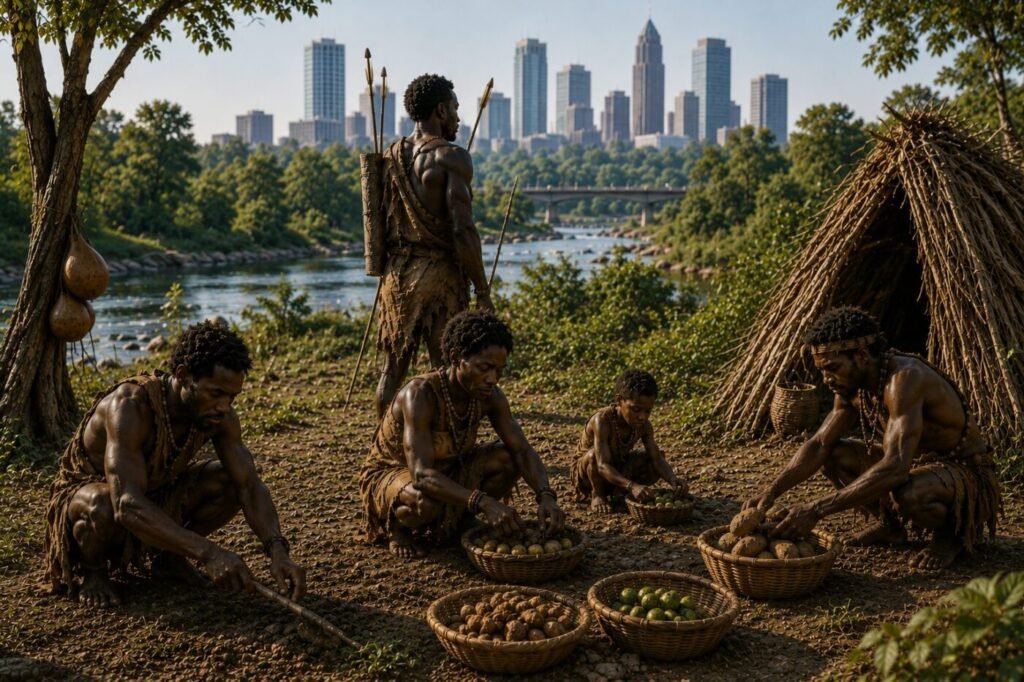
Imagine waking up tomorrow morning in Johns Creek or Alpharetta and discovering that a small tribe of traditional hunter-gatherers had quietly arrived in the woods near the river corridors.
No grocery stores.
No electricity.
No Amazon deliveries.
No Publix, Costco, or Chick-fil-A.
Just bows, tracking skills, deep ecological knowledge, and the forests of North Atlanta.
It sounds like the premise of a strange streaming series. But underneath the thought experiment sits a fascinating question: could humans actually survive off the land in modern suburban North Atlanta?
The surprising answer is: probably yes biologically — but almost certainly not socially or legally.
The Forest Is More Alive Than Most People Think
To suburban drivers moving along GA-400 or Peachtree Industrial Boulevard, North Atlanta can feel overwhelmingly developed. Shopping centers, subdivisions, office parks, pickleball courts, warehouses, schools, and traffic lights dominate daily life.
But underneath all that infrastructure, the region still contains an enormous amount of biological productivity.
The Chattahoochee River corridor alone stretches through miles of hardwood forests, wetlands, creeks, floodplains, and hidden ravines. Places like Big Creek Greenway, Sawnee Mountain Preserve, Autrey Mill Nature Preserve, and Settles Bridge Park still support deer, fish, edible plants, wild berries, turtles, squirrels, rabbits, and surprisingly dense tree canopies.
Most suburban residents barely notice it because modern people interact with nature recreationally rather than nutritionally.
A hunter-gatherer society would look at the same landscape completely differently.
They would not see “green space.”
They would see calories.
North Atlanta’s Secret Autumn Food Explosion
The real key to survival would not actually be hunting.
It would be nuts.
Every fall, North Georgia produces staggering amounts of acorns, hickory nuts, walnuts, and other “mast crops” across suburban forests and creek systems.
To most homeowners, falling acorns are an annoyance that dents driveways and clogs gutters.
To ancient societies, they were winter survival.
A single pound of processed acorns can provide over 1,200 calories, while hickory nuts contain extremely high fat content that would have been considered premium survival food.
The forests around Roswell, Milton, and South Forsyth would become massive seasonal food warehouses.
A trained foraging culture would also recognize edible plants most suburban residents walk past every day. Along river corridors and forest edges, they would likely gather pawpaw fruit, muscadine grapes, wild persimmons, mulberries, and serviceberries during the warmer months, while digging for sunchokes, groundnuts, and wild sweet potatoes as important underground carbohydrate sources.
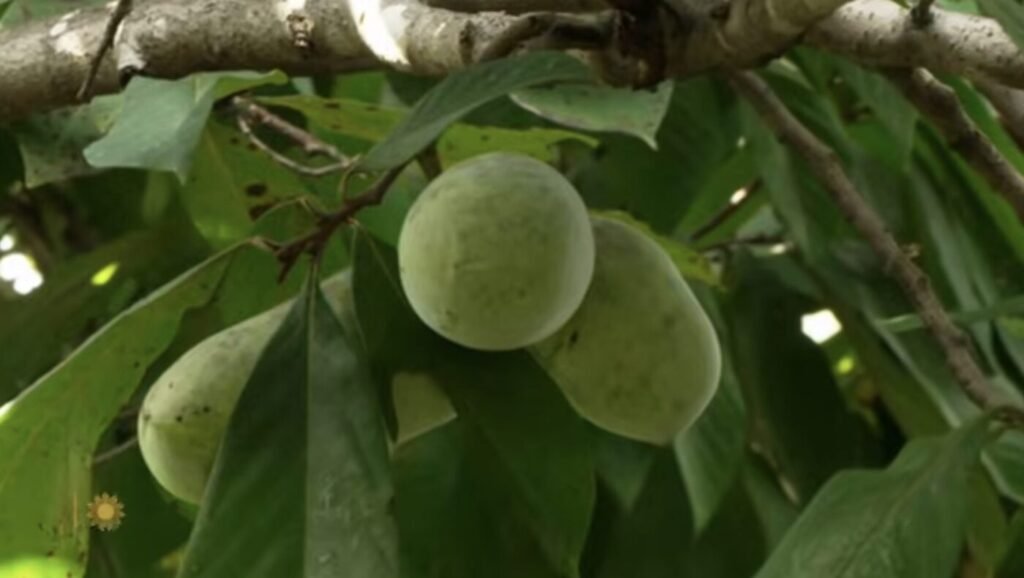
Many of these plants still grow naturally throughout the Georgia Piedmont.
In some ways, modern suburban landscaping accidentally creates ideal “edge habitats” where edible plants thrive between woods, trails, fences, retention ponds, and abandoned corners of development.
The Deer Situation Would Change Very Quickly
North Atlanta’s deer population would likely become the tribe’s primary protein source.
Modern suburban deer are unusually abundant because the region eliminated most large predators generations ago while simultaneously restricting widespread hunting inside suburban zones.
That has created one of the strangest ecological situations in modern America: extremely well-fed deer living inside luxury suburbs.
In places around Duluth, Suwanee, and Johns Creek, deer already move comfortably near humans, golf courses, trails, and subdivisions. For skilled traditional hunters, that would dramatically lower the difficulty of hunting compared to truly wild environments.
Wild hogs would become another major target.
Georgia’s feral hog population has exploded in recent years, damaging farmland and ecosystems statewide. For a hunter-gatherer society, however, they would represent an enormous source of meat and fat.
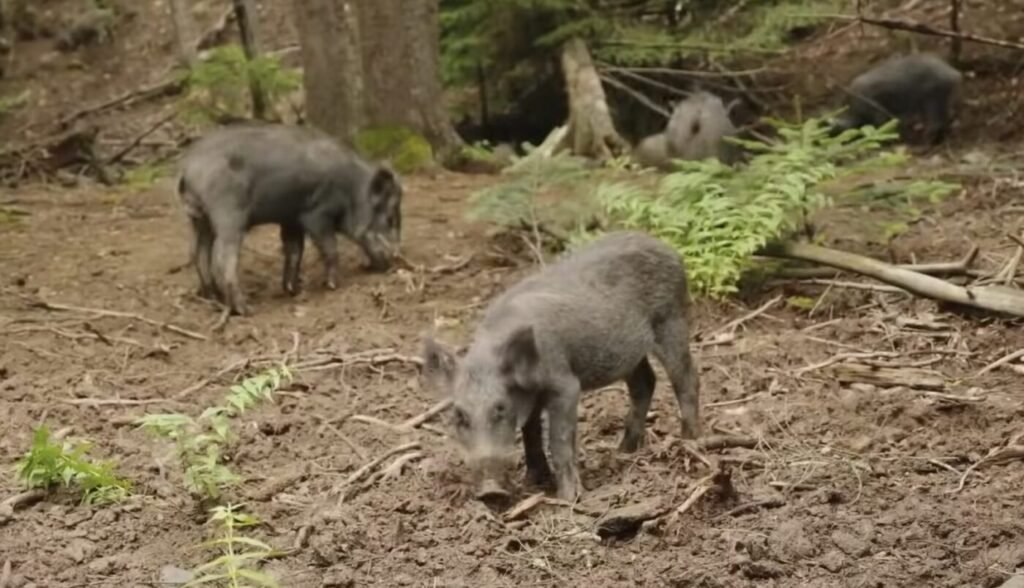
Ironically, a traditional tribe might actually help modern Georgia ecosystems by removing invasive species.
Winter Would Be the Real Test
The biggest environmental shock would probably not be food. It would be winter.
A tribe arriving from a tropical or semi-arid climate would quickly discover that Georgia winters are colder and wetter than they appear to suburban residents who simply move between heated houses and SUVs.
Even a 34-degree rainy night in January can become dangerous without proper shelter and insulation.
Traditional grass huts would fail quickly in North Atlanta winters. The tribe would likely need to adapt toward bark shelters, insulated structures, animal hides, and fire-heated sleeping systems similar to those historically used by Indigenous peoples of the Southeastern woodlands.
The challenge would not just be staying warm. It would be staying dry. The humid cold of the Southeast can drain body heat surprisingly fast.
The Chattahoochee Would Be Both Lifeline and Threat
Water would become another strange contradiction. On paper, North Atlanta has abundant water resources. The Chattahoochee River and its tributaries flow throughout the region year-round.
But modern water systems contain dangers ancient humans never evolved around.
Urban runoff, industrial pollutants, bacteria spikes after storms, PFAS contamination, and sewage overflow events would create major risks for people relying directly on untreated river water.
A traditional hunter-gatherer group might actually possess stronger natural tolerance to many untreated natural pathogens than suburban residents.
But chemical pollution is different.
Modern industrial contamination represents a survival challenge no ancient society ever had to solve.
The Biggest Problem Wouldn’t Be Nature
It would be North Atlanta itself. The real obstacle is not whether the land could support hunter-gatherers. It is whether modern suburbia could tolerate them.
North Atlanta’s landscape is fragmented by roads, subdivisions, fencing, surveillance cameras, HOA rules, zoning laws, police patrols, property lines, and park closure hours. A nomadic group moving quietly along the creek systems of Alpharetta or camping near wooded corridors in Cumming would almost immediately trigger legal conflicts.
Modern suburbia is designed around fixed ownership. Hunter-gatherer societies are designed around movement. That philosophical clash may be impossible to reconcile.
Biologically, North Atlanta still contains enough ecological richness to sustain a small traditional foraging group. But administratively and socially, modern suburban systems would almost certainly force them out.
In other words, the forests could support them.
The spreadsheets probably could not.
What This Thought Experiment Reveals
Perhaps the strangest part of the exercise is realizing how much hidden ecological abundance still exists beneath suburban life. North Atlanta often presents itself as fully urbanized — an endless landscape of developments, schools, office parks, and retail corridors.
Yet underneath it all remains an older Georgia landscape still producing deer, nuts, berries, fish, edible roots, and dense forests at astonishing scale. Most residents simply no longer know how to see it.
A hunter-gatherer walking through the green corridors of North Fulton might not view the area as overdeveloped civilization at all. They might view it as a fragmented forest filled with obstacles, but still overflowing with food.
And perhaps that is the strangest realization of all.
If You Actually Tried This Today, What Would You Need?
Of course, nobody is suggesting modern North Atlanta residents disappear into the woods behind Big Creek Greenway with a handmade bow and attempt a full hunter-gatherer lifestyle.
But the thought experiment does raise another interesting question: what equipment would modern people realistically need to survive outdoors around North Georgia for an extended period?
Ironically, many of the most important tools are still tied to the same ancient priorities humans have relied on for thousands of years: clean water, shelter, cutting tools, warmth, and food gathering.
A modern survival setup for the forests and creek corridors of North Atlanta would probably begin with water filtration. The region may look lush and water-rich, but untreated creek and river water can contain bacteria, runoff contamination, and pollutants after storms. Portable filtration systems such as the LifeStraw Personal Water Filter or the Sawyer MINI Water Filter would likely become essential almost immediately.
Cutting tools would matter just as much. A durable fixed-blade knife such as the Morakniv Companion could handle shelter building, food preparation and carving in ways ancient stone tools once did across the Georgia Piedmont.
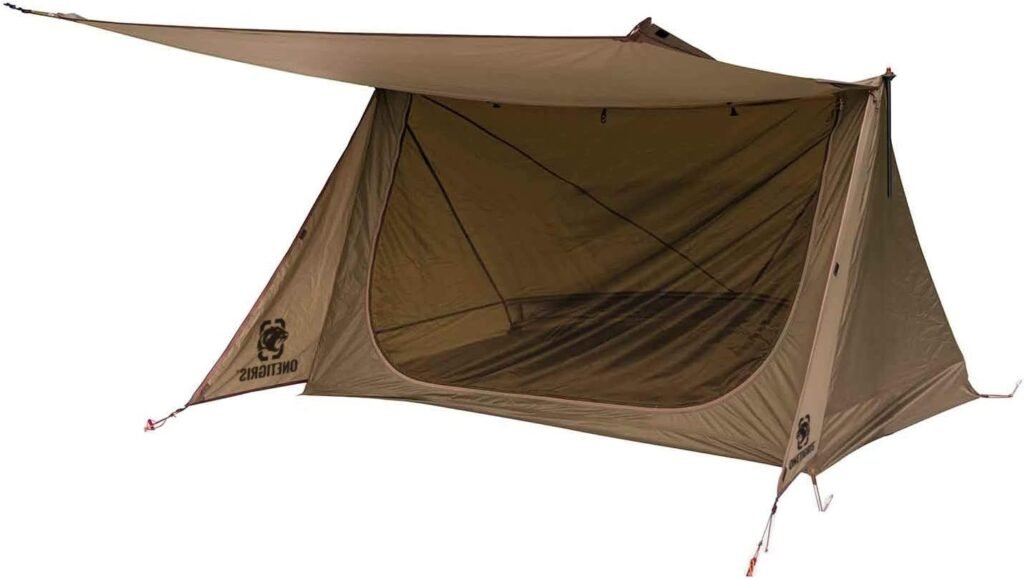
Shelter would quickly become the defining challenge during wet Georgia winters. Modern survivalists would probably rely on lightweight tarp systems or compact tents rather than attempting bark lodges from scratch. Products like the Wise Owl Outfitters Camping Tarp or the OneTigris Bushcraft Shelter are designed around many of the same principles ancient societies used: staying dry, insulating body heat, and reducing wind exposure.
Fire-starting equipment remains another timeless necessity. Waterproof ferro rods such as the Bayite Ferro Rod Fire Starter are essentially modern descendants of ancient fire-making systems that once determined whether communities survived cold nights.
And then comes food procurement itself. While few suburban residents know how to identify edible plants safely, field guides such as the National Audubon Society Field Guide to North American Wildflowers or regional foraging books focused on the Southeast would become surprisingly valuable.
The funny part is that despite all modern technology, many of the core survival priorities have barely changed since prehistoric times. Humans still need warmth, water, calories, tools, and shelter.
North Atlanta may now be filled with gated neighborhoods, pickleball courts, Teslas, and office parks, but underneath the suburban infrastructure, the old survival rules never fully disappeared.
If this felt close to home, these stories may be worth your time too.
Community Voice
A snapshot of reader views, not a scientific survey.
Explore Community Voice →About the Author


In North Atlanta
The Chattahoochee Is Becoming North Atlanta’s Longest Park
Best Kid-Friendly Restaurants in North Atlanta for an Easy Family Meal
North Atlanta Has Its Own Version of the $40 Chicken Debate

The SpaceX IPO Is Far Away. The Money May Not Be
Brookhaven Approves $750,000 Land Purchase to Expand Lynwood Park

Roswell Area Park Pond Reopens After $3.1 Million Restoration
IN NORTH ATLANTA