Atlanta’s First Autonomous Shuttle Raises a Suburban Question: When Does North Atlanta Get One?
Atlanta’s inaugural autonomous shuttle service begins in Southwest Atlanta, testing transit connections between MARTA and the BeltLine. The pilot offers a glimpse at how similar shuttles could address short-trip mobility challenges in North Atlanta’s suburban nodes.
Get major local stories and development updates.
Atlanta’s first autonomous public transit pilot is arriving not as a sweeping regional system, but as a modest two-mile test in Southwest Atlanta. That may be exactly why North Atlanta should pay attention.
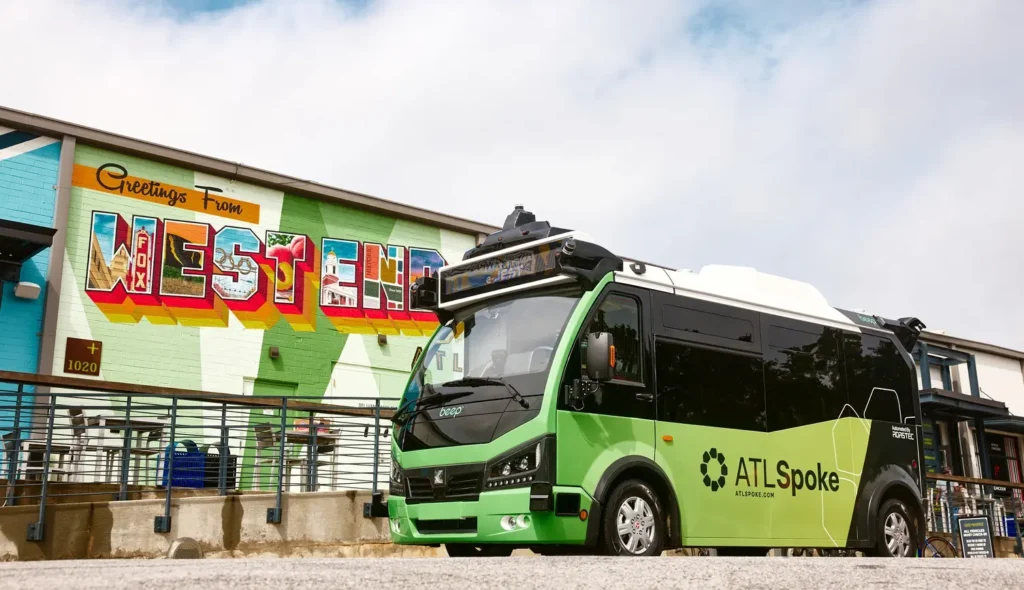
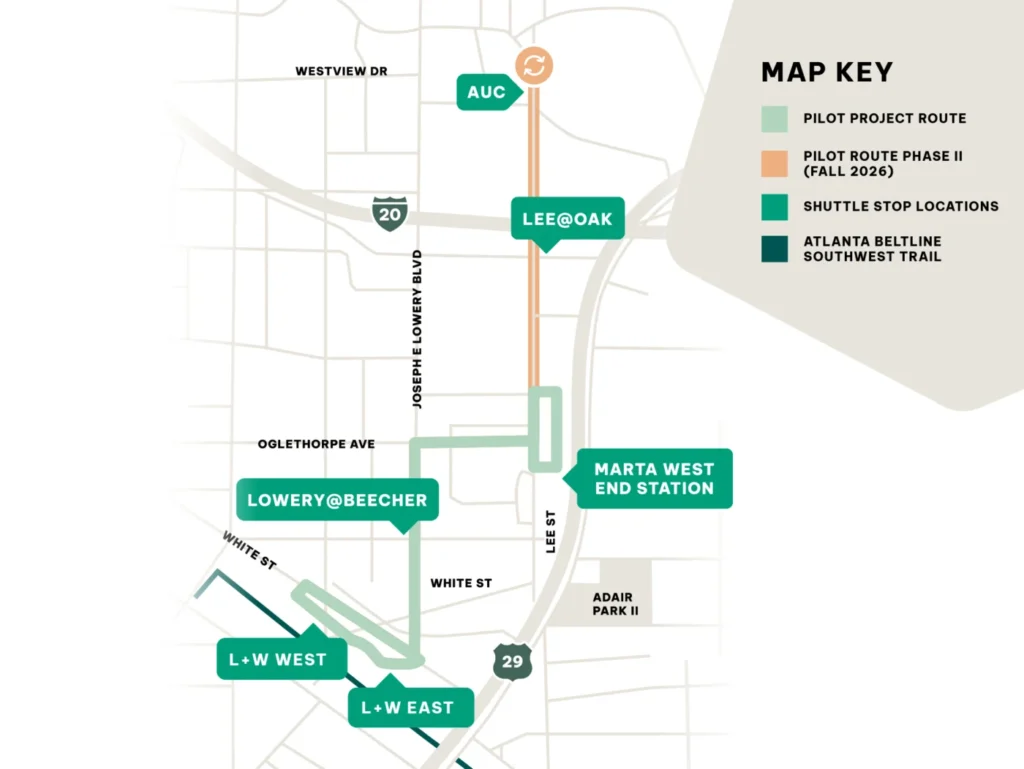
On June 5, the Atlanta BeltLine is scheduled to launch ATL Spoke, a free autonomous shuttle service connecting MARTA’s West End Station with the BeltLine’s Southwest Trail near Lee + White. The pilot, operated with Beep and supported by the Georgia Transportation Efficiency Authority, the City of Atlanta and MARTA, is designed as a 12-month test of whether autonomous vehicles can solve one of metro Atlanta’s most persistent transportation problems: the short but inconvenient gap between a major transit stop and the place people actually want to go.
ATL Spoke will run seven days a week, with regular service from noon to 10 p.m. and shuttles arriving every 12 to 15 minutes. On FIFA World Cup 2026 game days, service is expected to extend from 8 a.m. to midnight. The vehicles are electric, ADA accessible and staffed by onboard attendants, with a free fare during the pilot period.
That combination matters. Autonomous transit can sound futuristic, but the first useful suburban version may be much less dramatic: a small, frequent, low-speed shuttle running the same loop every day, in places where people already cluster.
The Suburbs Have a Last-Mile Problem Too
North Atlanta’s transportation challenge is not the same as downtown Atlanta’s. Most residents will continue to drive for most daily needs. But that does not mean every short trip should require another car movement, another parking search or another left turn across a busy arterial.
The strongest early use case for autonomous shuttles in the suburbs is not replacing the family SUV. It is reducing small friction points around high-activity districts. A shuttle that runs every 10 to 15 minutes between a parking deck, a town center, a greenway entrance and a nearby hotel could be more useful than a large, infrequent bus route trying to cover too much territory.
That is why ATL Spoke is worth watching. The BeltLine pilot is not only testing whether the vehicle can drive. It is testing whether people will ride, whether the route feels useful and whether a short autonomous connection can make a larger transit or trail system easier to use. BeltLine officials have described the project as a learning effort intended to evaluate the technology, customer perception and the value of first- and last-mile connections between rail and activity centers.
In North Atlanta, the same question could be asked in a suburban language: Would people use a short shuttle if it connected the places they already want to visit?
Where Autonomous Shuttles Could Make Sense in North Atlanta
The most logical early suburban lines would not be long-distance routes. They would be compact circulators, designed around a few strong destinations and a predictable path.
In Alpharetta, one obvious candidate would be a loop connecting Avalon, downtown Alpharetta, the Alpha Loop, nearby office areas and hotel clusters. The area already has pedestrian-friendly pieces, but they are not always comfortable to move between on foot, especially in summer heat, during events or for older residents. A small shuttle could help turn separate destinations into one larger district.

In Johns Creek, a future route could connect the emerging Town Center area, Medley, City Hall, the Johns Creek Arts Center area, nearby parks and the Cauley Creek corridor. The city has been planning for a more walkable civic core, but even the most carefully designed suburban town center will still need short-distance mobility options for residents, visitors and workers.
In South Forsyth, a practical pilot could eventually link Halcyon, nearby neighborhoods, office areas and sections of the Big Creek Greenway. Another possibility would be a special-event shuttle pattern around The Collection at Forsyth, Cumming City Center and nearby hotel or park-and-ride locations, though that would require careful coordination because the distances are larger and the road environment is less compact.
Suwanee may be one of the best suburban fits. A small shuttle connecting Suwanee Town Center, the library area, nearby civic destinations, the Suwanee Creek Greenway and selected parking areas could serve residents during festivals, concerts, market days and weekend activity. The city already has the kind of public-space culture that makes a circulator feel natural rather than forced.
Duluth also has a strong case. A downtown Duluth circulator could connect the Town Green, Parsons Alley, nearby parking areas, civic buildings, schools, event venues and restaurant districts. During busy evenings or festivals, the benefit would be less about replacing cars entirely and more about making the district easier to navigate once people arrive.
Peachtree Corners could also become a serious candidate because of its technology-focused public infrastructure and Curiosity Lab environment. If any North Atlanta suburb is already culturally positioned to test advanced mobility, Peachtree Corners belongs in the conversation.
What Would Need to Happen First
The suburban version will need more than enthusiasm. These vehicles work best in controlled or semi-controlled environments, with clear stops, relatively predictable traffic, safe turning movements, reliable communications and a route short enough to be dependable. That makes town centers, campus-style districts, greenway connections and event loops more realistic than broad suburban coverage.
There is also the public trust question. ATL Spoke is using onboard attendants, which is important. In the suburbs, that may be even more necessary at first. Many riders will want to see a human presence before they accept a driverless shuttle as ordinary transportation.
Funding is another issue. The BeltLine pilot is supported by a $1.75 million award from the Transit Trust Fund Program, with the local share provided by BeltLine Tax Allocation District funds. That kind of structure matters because a free or low-cost shuttle is much easier to test than a fare-based service that has to prove itself immediately.
For North Fulton, South Forsyth and Gwinnett suburbs, the most likely path would be a partnership among a city, county, community improvement district, transit agency, major developer or destination district. Avalon, Halcyon, Medley, Suwanee Town Center, downtown Duluth and Peachtree Corners all suggest the same basic model: public purpose, private destinations and a clear local mobility gap.
The Best First North Atlanta Pilot
If North Atlanta were choosing one early test, the strongest candidates would be places where people already park once and want to move around without getting back into the car.
An Avalon-to-downtown Alpharetta loop would be highly visible and easy for the public to understand. A Suwanee Town Center and greenway loop would feel community-oriented and event-friendly. A Johns Creek Town Center and Medley loop would align with the city’s long-term effort to create a more connected civic center.
The best first pilot may not be the place with the worst traffic. It may be the place with the clearest route, the strongest public-private partnership and the highest chance that residents would actually try the service.
A Glimpse of the Future, but Not a Replacement for Planning
Autonomous shuttles will not solve North Atlanta’s transportation challenges by themselves. They will not erase congestion on GA-400, fix every school pickup line or make sprawling corridors suddenly walkable. But they could become one useful tool in places where suburban growth has created denser nodes without enough practical ways to move between them.
That is the lesson North Atlanta should take from ATL Spoke. The future of transit here may not arrive first as a train station or a massive new regional line. It may arrive as a small electric shuttle, moving slowly through a town center, stopping every few minutes, connecting a trail, a restaurant district, a civic building and a parking lot.
For a region built around the car, that may sound modest. But in the suburbs, modest transportation improvements can matter. The first question is no longer whether autonomous shuttles are imaginable. Atlanta is about to test that. The better local question is where North Atlanta would actually use one.
If you’ve been following growth and change around here, these stories are worth a look too.
About the Author


In North Atlanta
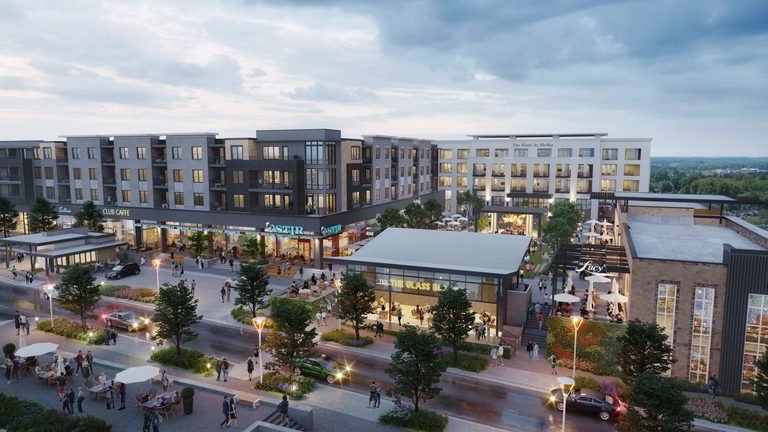
What North Atlanta Should Know Today. Friday, Sept. 11, 2026
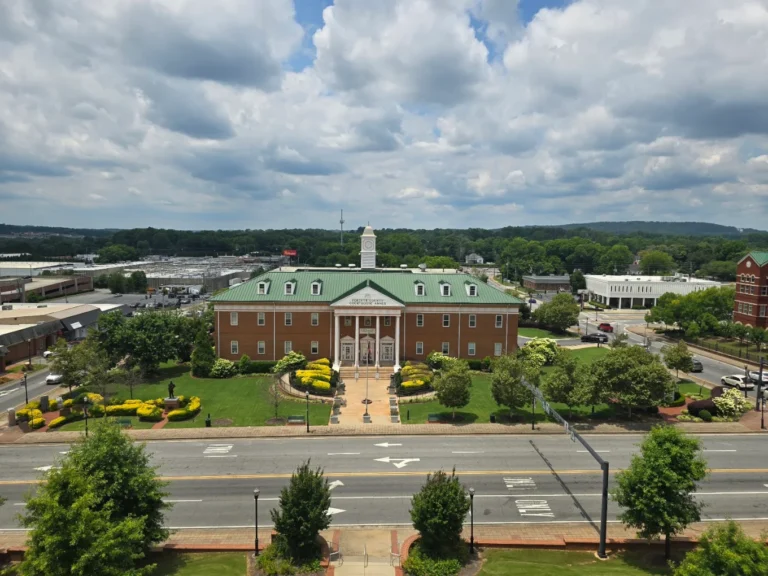
North Atlanta Courthouse Wedding Price Check: A Legal Marriage Can Start at $16

North Atlanta unemployment fell in July — but employment slipped in several communities

Why Sardines Are Disappearing From Some North Atlanta Shelves
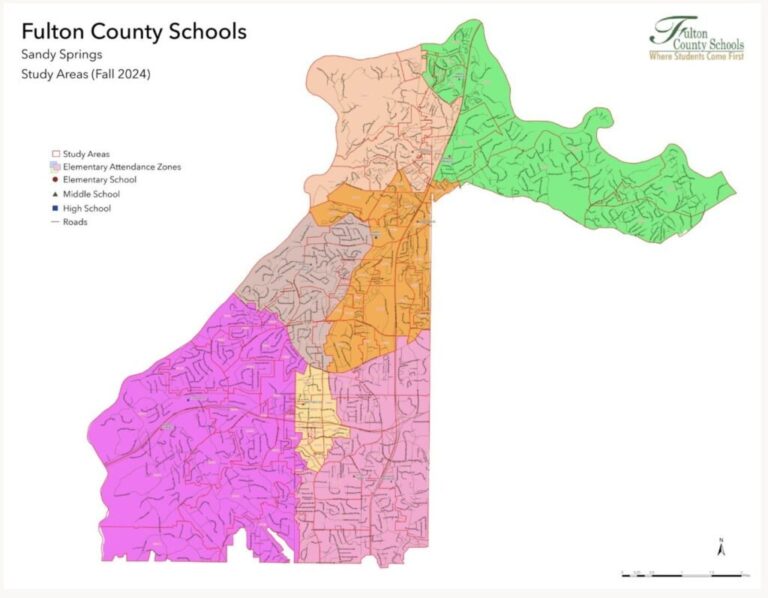
What North Atlanta Should Know Today
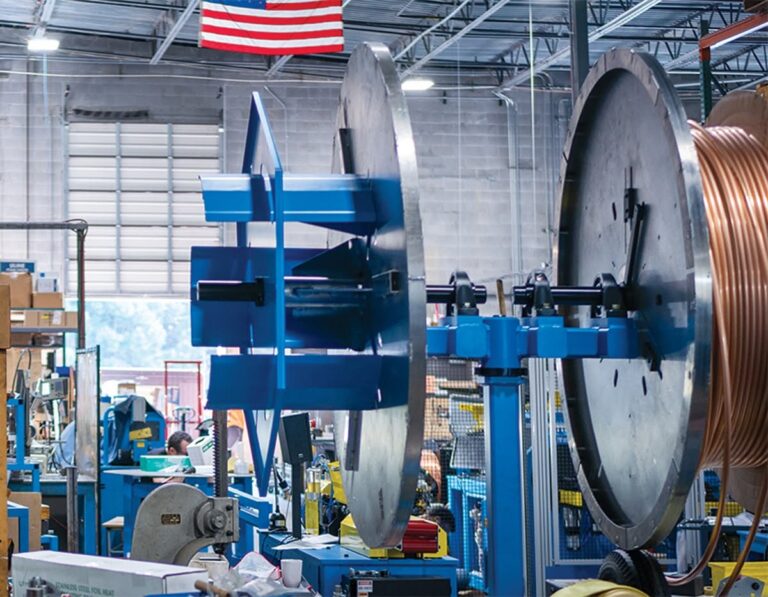
Suwanee’s Winton Machine Heads to Washington With $400,000 on the Line
IN NORTH ATLANTA