How Close Are Robotaxis to Alpharetta and Johns Creek?
Robotaxi services have launched in central Atlanta but have not yet reached Alpharetta and Johns Creek. Expansion depends on highway operations and suburban infrastructure.
Get major local stories and development updates.
Robotaxis are already operating in metro Atlanta, but they have not yet reached Alpharetta, Johns Creek, or most of South Forsyth. The timeline now depends less on technology breakthroughs and more on highway access, fleet scaling, and local infrastructure readiness.
Current availability: close, but not suburban
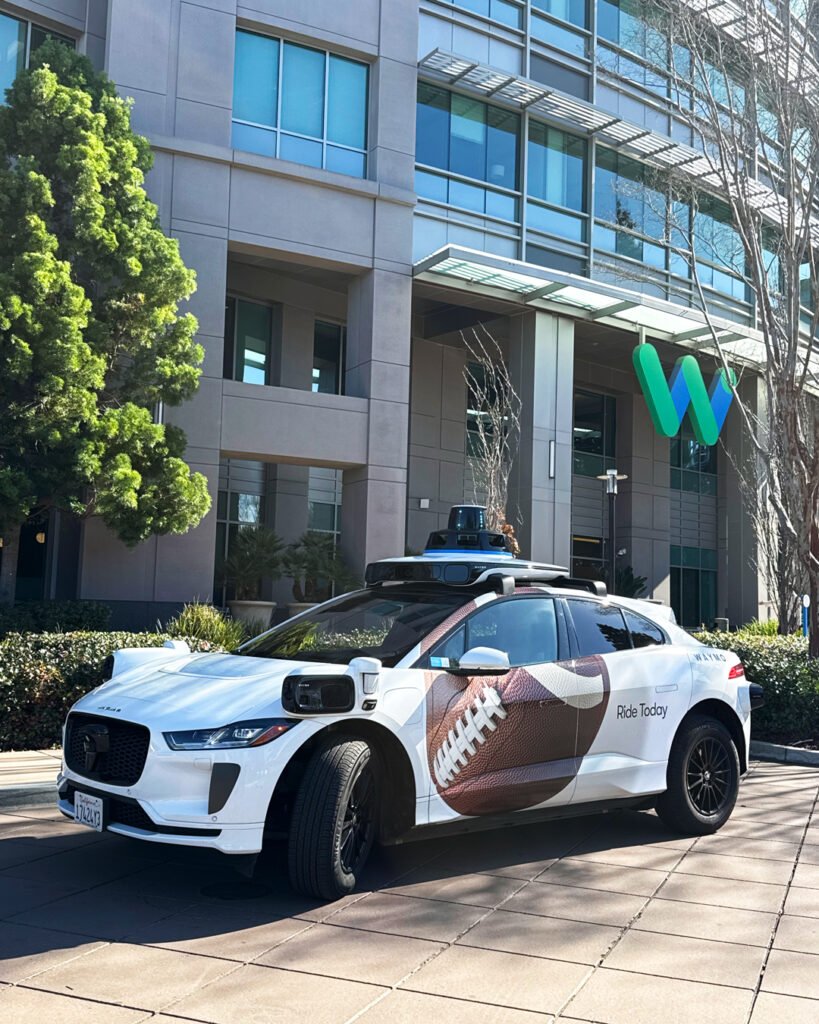
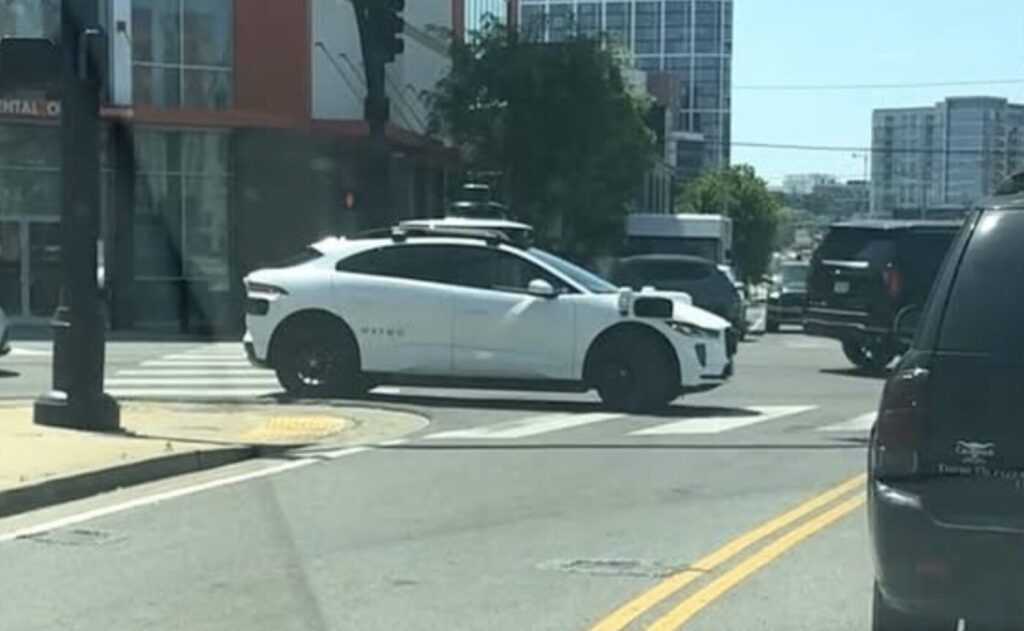
The first commercial deployment arrived in June 2025, when Waymo launched in Atlanta through its partnership with Uber. The service initially covered a roughly 65-square-mile zone centered on Midtown and Buckhead, allowing users to hail a driverless Jaguar I-PACE directly inside the Uber app.
For North Fulton residents, this means robotaxis are already usable—but only after reaching the city. The suburban leg of the trip still requires a personal vehicle or a traditional rideshare.
The key barrier: highways
The single biggest factor delaying expansion into Alpharetta and Johns Creek is freeway operation. Early deployments were limited to surface streets, but the North Atlanta commute depends on GA-400 and I-285.
Waymo began expanding onto highways in 2026, a necessary step before offering continuous service from suburbs into the city.
Until autonomous systems can reliably handle high-speed merging, lane changes, and variable traffic conditions on these corridors, full suburban coverage remains limited.
What scaling actually requires
Even once highway capability is in place, expansion into North Fulton depends on fleet economics and vehicle design.
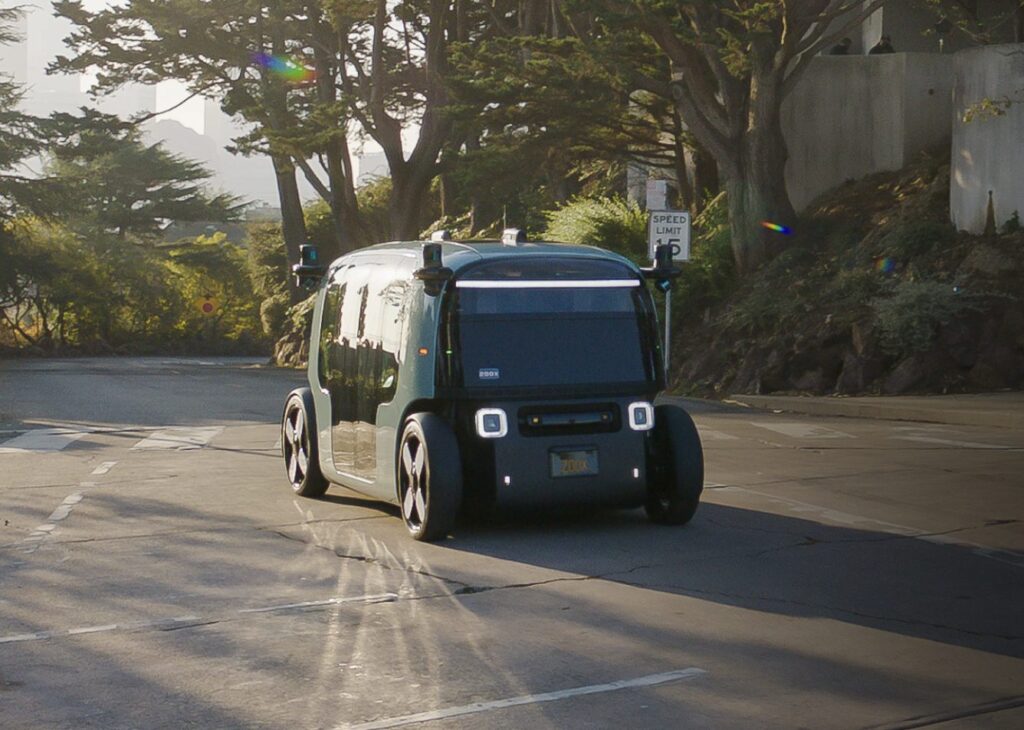
The current fleet—primarily retrofitted Jaguar I-PACE SUVs—is not optimized for high-volume suburban use. The next phase introduces purpose-built robotaxis, including new Zeekr vehicles designed with larger interiors, easier entry, and higher durability for repeated daily trips.
These vehicles are expected to support family travel and longer suburban routes, which are typical in Alpharetta, Milton, and Johns Creek.
The Peachtree Corners model: already operational
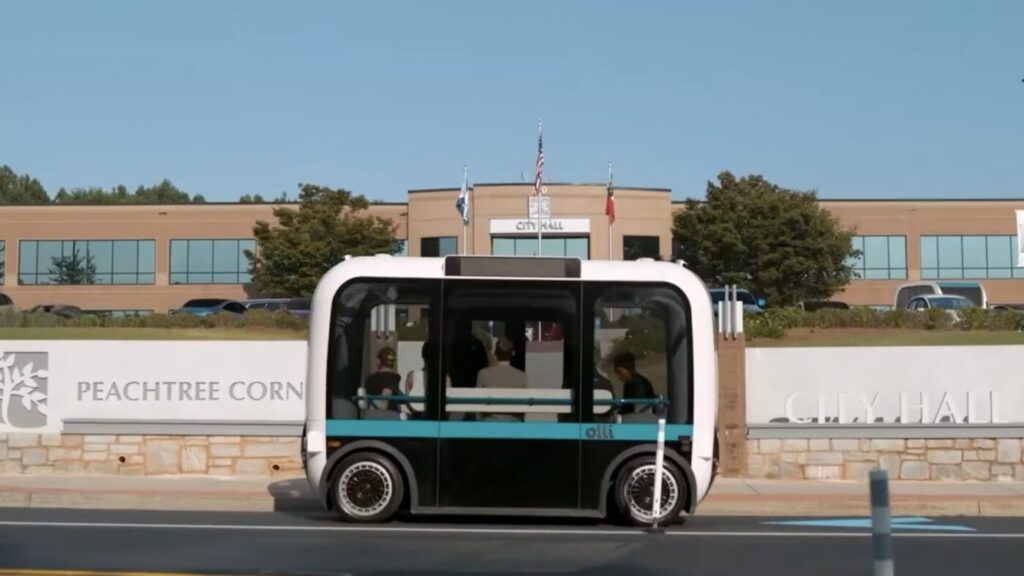
While most suburbs are still waiting, Peachtree Corners is already running a driverless system in daily use.
At the Curiosity Lab, May Mobility operates fully driverless Toyota Sienna shuttles along Technology Parkway, serving fixed stops such as City Hall, the Town Green, and The Forum. The service runs weekdays and is open to the public at no cost.
This is not a pilot in isolation. It is a live test environment on public roads, supported by 5G infrastructure and smart intersections. The data collected there is directly shaping how autonomous systems will behave in similar suburban environments across North Atlanta.
The implication is straightforward: the technology already works locally in controlled zones. The remaining challenge is scaling it across open suburban networks.
Tesla’s position: not here yet, but positioned
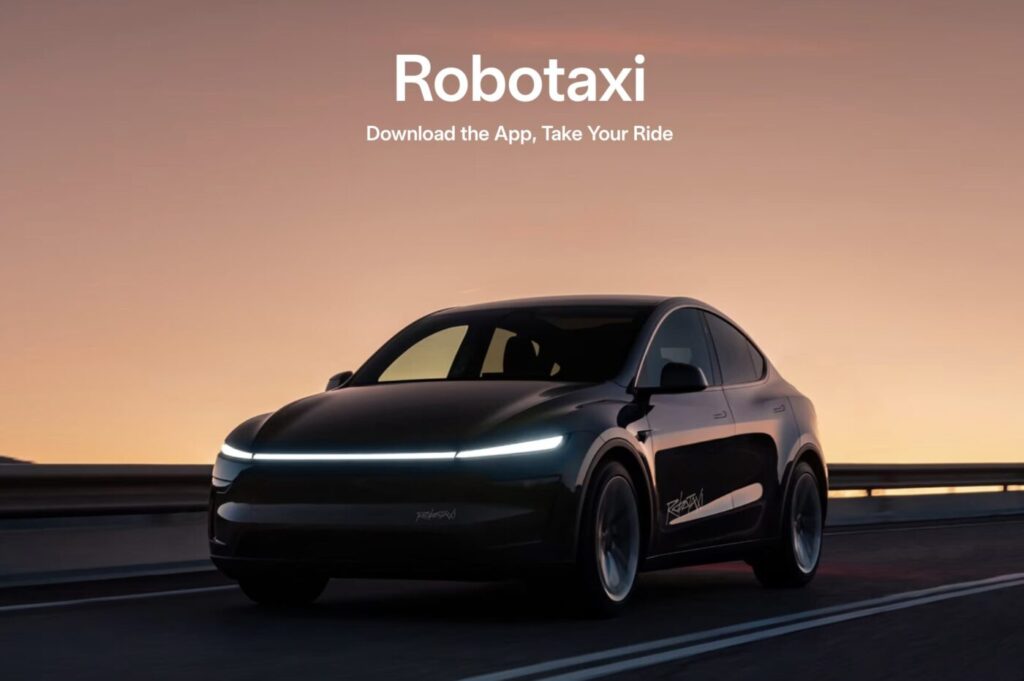
Tesla’s robotaxi platform is currently active in Texas, with expansion planned into additional U.S. cities during 2026. The company operates a separate app and uses a vision-based system rather than lidar.
North Fulton is not in the first wave, but Alpharetta’s growing EV infrastructure—including a city-branded Tesla Supercharger on Old Milton Parkway—positions the area as a logical candidate for future rollout.
Pricing in active markets is already competitive, with base fares around $3 and per-mile costs between $1.00 and $1.40, roughly aligned with traditional rideshare pricing.
Public transit is moving in parallel
Autonomous expansion is not limited to private companies.
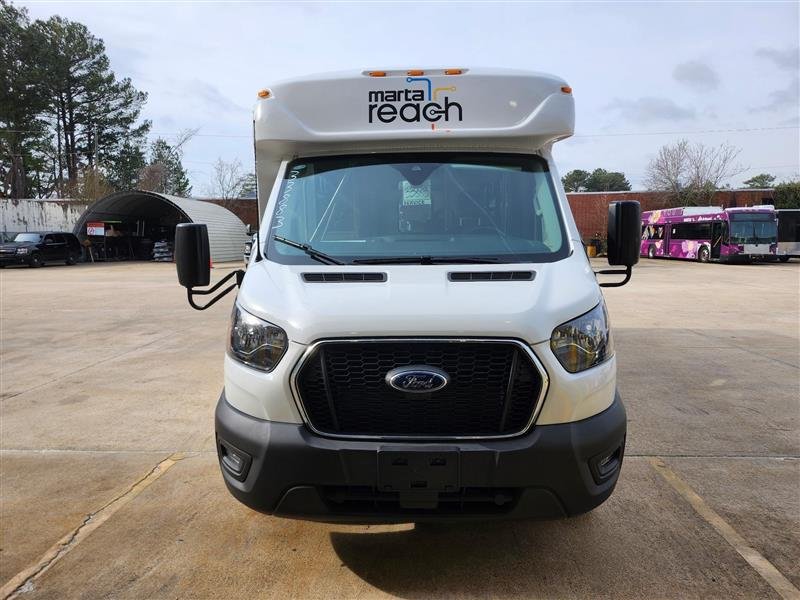
MARTA launched its NextGen network redesign in 2026, including MARTA Reach, an on-demand microtransit service covering North Fulton (Zone 312). While these vehicles are currently driver-operated, the system is structured for future automation.
In parallel, driverless shuttle pilots are being tested on the Atlanta BeltLine, with future suburban applications under evaluation.
This creates a layered system:
- Private robotaxis (Waymo, Tesla)
- Microtransit (MARTA Reach)
- Fixed-route autonomous shuttles (Peachtree Corners model)
Infrastructure already underway locally
Several North Fulton projects are being built with autonomous mobility in mind.
Alpharetta has been deploying vehicle-to-infrastructure (V2X) systems that allow traffic signals to communicate with vehicles, improving flow and safety.
Johns Creek’s Town Center development is designed around reduced reliance on private cars, emphasizing walkability and drop-off access consistent with future robotaxi use.
These are not theoretical upgrades—they are prerequisites for scaled deployment.
Legal environment: already permissive
Georgia is one of the most favorable states for autonomous vehicles.
State law allows fully driverless vehicles to operate on public roads without a human driver, provided they meet federal safety standards.
This regulatory clarity is a major reason companies are prioritizing metro Atlanta for expansion.
Other major players include:
- Zoox (Amazon) – awaiting regulatory approval for commercial service, with purpose-built vehicles that have no steering wheel
- Motional (Hyundai) – operating in Las Vegas, targeting fully driverless service by late 2026
- Moia (Volkswagen) – testing electric van-based robotaxis, with launches planned in select U.S. cities
- Nuro – developing robotaxi fleets with Uber and Lucid, aiming for large-scale deployment in coming years
Timeline: when will it actually reach Alpharetta and Johns Creek?
Morgan Stanley estimates about 36 million autonomous rides in the U.S. in 2026, up from 15 million in 2025, with projections reaching 750 million rides annually by 2030.
Industry estimates also suggest that roughly half of Americans could have access to robotaxis within three years.
Based on current expansion patterns across all major operators:
2026
- Waymo expands freeway capability
- Tesla expands beyond Texas into additional states
- Continued testing and limited exposure for North Atlanta residents
2027–2028
- First suburban service corridors likely emerge along GA-400
- Mixed autonomous and human-driven trips become common
- Increased availability through Uber-integrated platforms
2028–2030
- Broader residential coverage
- Multiple providers operating simultaneously
- Robotaxis become a standard option for daily tripsrway.
What It Costs: Uber vs. Robotaxis vs. Owning a Car in North Fulton
In early markets, robotaxi pricing is landing close to traditional rideshare. Tesla has indicated base fares around $3 with per-mile rates roughly between $1.00 and $1.40, placing it directly in line with UberX pricing for many trips.
For a typical North Fulton pattern—say, an Alpharetta to Midtown trip—today’s Uber ride can range widely depending on time of day, often between $35 and $70 round trip during peak hours. Robotaxis are expected to reduce some of that variability over time, particularly by removing driver-related costs and surge pricing pressure as fleets scale.
Owning a car remains the most expensive option when viewed fully. Between loan or lease payments, insurance, fuel, maintenance, and parking, annual costs in North Fulton commonly exceed $8,000 to $12,000 per household vehicle. The advantage, of course, is availability and flexibility—something robotaxis won’t fully match in suburban settings until coverage is widespread.
The likely near-term shift is not full replacement. Instead, households begin substituting select trips—especially commutes into Atlanta, airport runs, or evenings out—while still keeping at least one vehicle for local mobility.
Who Is Most Likely to Dominate the Atlanta Market
Atlanta is shaping up as a multi-player market, but the structure favors platforms over standalone fleets.
Waymo currently holds the strongest position locally. It is already operating in Atlanta and has embedded its service into the Uber app, giving it immediate access to a large user base without requiring a new download or behavior change.
Uber, however, may ultimately control the customer relationship. The company is partnering with nearly every major robotaxi developer, including Waymo, Zoox, and others. That strategy positions Uber as the central marketplace through which most users will book autonomous rides, regardless of who owns the vehicle.
Tesla represents the main wildcard. Its vertically integrated approach—vehicles, software, and app—could allow rapid expansion once regulatory approvals align. If it launches in Georgia, it would compete directly rather than through Uber, potentially reshaping pricing and user loyalty.
Secondary players like Zoox, Motional, Moia, and Nuro are likely to enter through partnerships or targeted deployments, but at least in the near term, Atlanta is expected to be led by a combination of Waymo’s technology and Uber’s platform reach.
In practical terms, residents in Alpharetta and Johns Creek are unlikely to choose a “robotaxi company.” They will open an app—most likely Uber—and the vehicle that arrives will depend on which provider has scaled fastest in the region.
If you’ve been following growth and change around here, these stories are worth a look too.
About the Author

In North Atlanta
Old Milton Parkway Widening Will Reshape Avalon Corridor Through 2029
Medley Opens First Access to 133 Townhomes in Johns Creek
North Atlanta’s NHL Race Is No Longer Just Alpharetta vs. South Forsyth
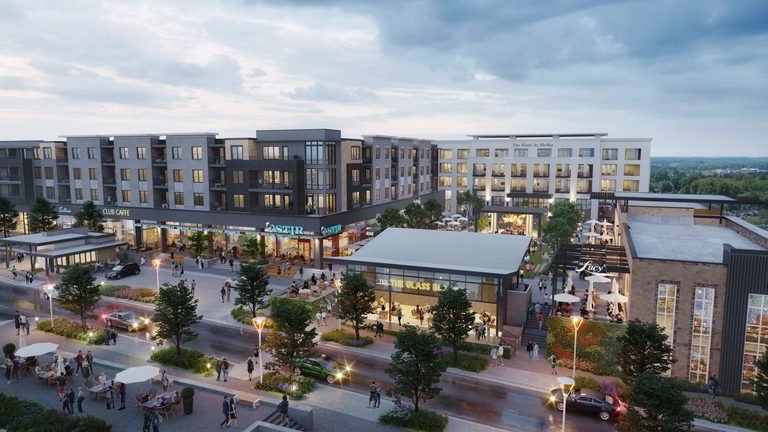
Medley Job Fair Looks to Fill 300 Positions Ahead of Johns Creek Opening
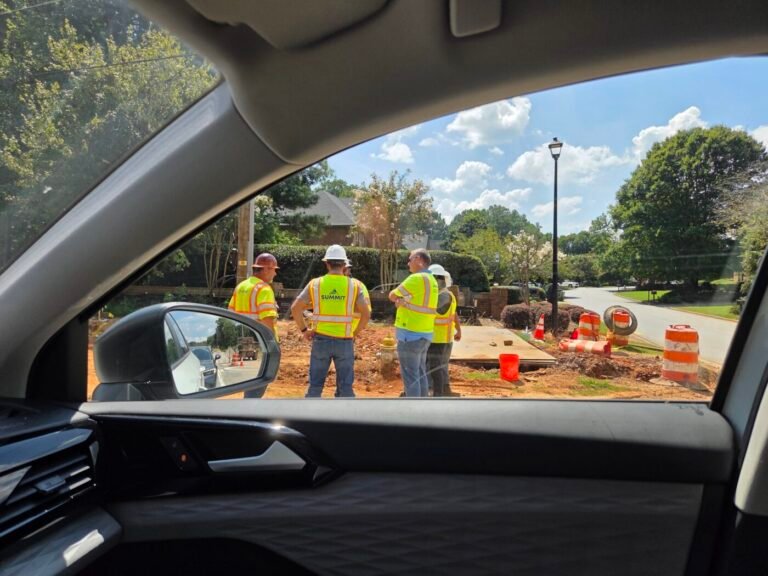
McGinnis Ferry Work Reaches Christopher Robin Road, With Spring 2028 Still the Target
ADP Opens New Alpharetta Roles in AI Content, Product Strategy and Internships
IN NORTH ATLANTA