MARTA’s NextGen Bus Network Is Coming in April 2026. What It Means for North Fulton and the GA-400 Corridor
Get major local stories and development updates.
On April 18, 2026, MARTA will launch the most significant overhaul of its bus system in more than 50 years—a shift that could quietly reshape how commuters across the northern suburbs connect to the rest of metro Atlanta.
The new system, known as the NextGen Bus Network, is not simply a route update. It is a structural redesign built around frequency, speed, and access to jobs, replacing a decades-old model that prioritized geographic coverage over efficiency.
For residents in places like Alpharetta, Roswell, and Johns Creek—where transit has long felt limited or indirect—the changes are subtle but meaningful, especially at the edges of the system where suburban life meets regional mobility.
A Shift From Coverage to Frequency
The legacy MARTA bus network operated with 113 routes, many of them long and indirect, often with inconsistent service depending on the day or time. The NextGen system reduces that number to 81 fixed routes, supplemented by 12 on-demand service zones.
The philosophy behind the change is straightforward: fewer routes, but more reliable service.
Instead of buses arriving every 30 to 60 minutes on winding routes, MARTA is focusing on 17 high-frequency corridors where service runs every 15 minutes or better throughout the day. That shift alone is expected to dramatically reduce wait times and improve reliability for daily commuters.
The impact is not just about convenience. The redesigned network is expected to connect riders to significantly more jobs and essential services, reflecting how the region’s employment centers have shifted over time.
What Changes for North Fulton
While most of the NextGen transformation focuses on core Atlanta and DeKalb corridors, one addition stands out locally: the expansion of on-demand transit into North Fulton.
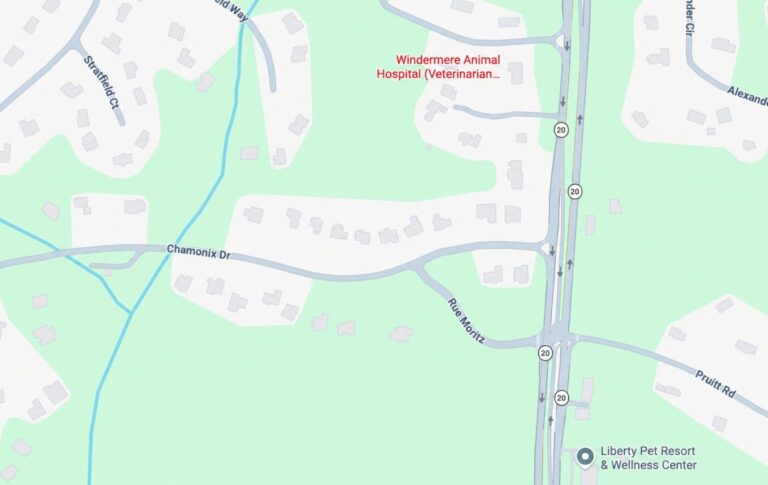
Reach Zone 312 will serve parts of the Mansell Road and Holcomb Bridge Road corridor, connecting riders to the Mansell Park-and-Ride and nearby commuter routes.
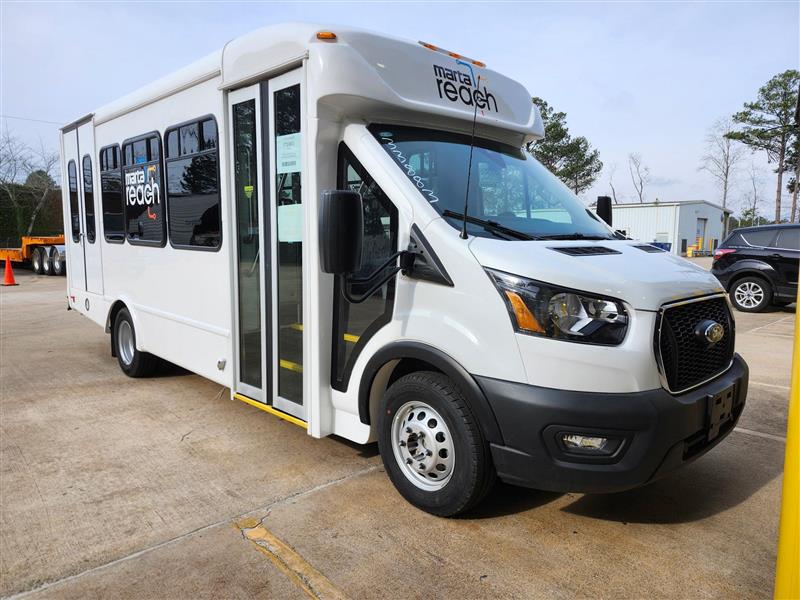
This is not a traditional bus route. Instead, it operates as a micro-transit service—small vehicles that can be booked through an app, website, or phone, offering curb-to-curb pickups within the zone.
For residents in areas that have never had strong fixed-route service, this may be the most practical transit option MARTA has introduced in years.
MARTA Reach and the “Last-Mile” Problem
One of the biggest barriers to using transit in suburban areas has always been the last mile—the gap between a bus stop or station and a person’s actual destination.
MARTA Reach is designed specifically to address that.
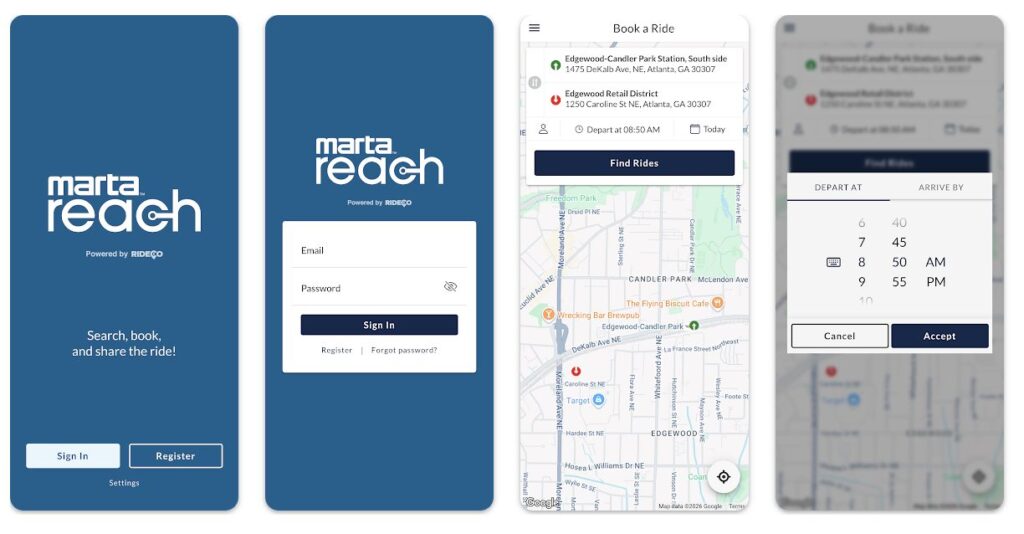
Residents can download the MARTA Reach app or sign up online to create an account and begin using the service. Through May 2, rides are free. After that, fares will be set at $2.50 per trip, aligning with standard MARTA pricing.
The service operates daily from 6 a.m. to midnight and uses smaller, ADA-accessible vehicles that provide curb-to-curb pickups within each designated zone. Riders can request trips through the app, website, or by phone, with pickups typically arranged within a short window.
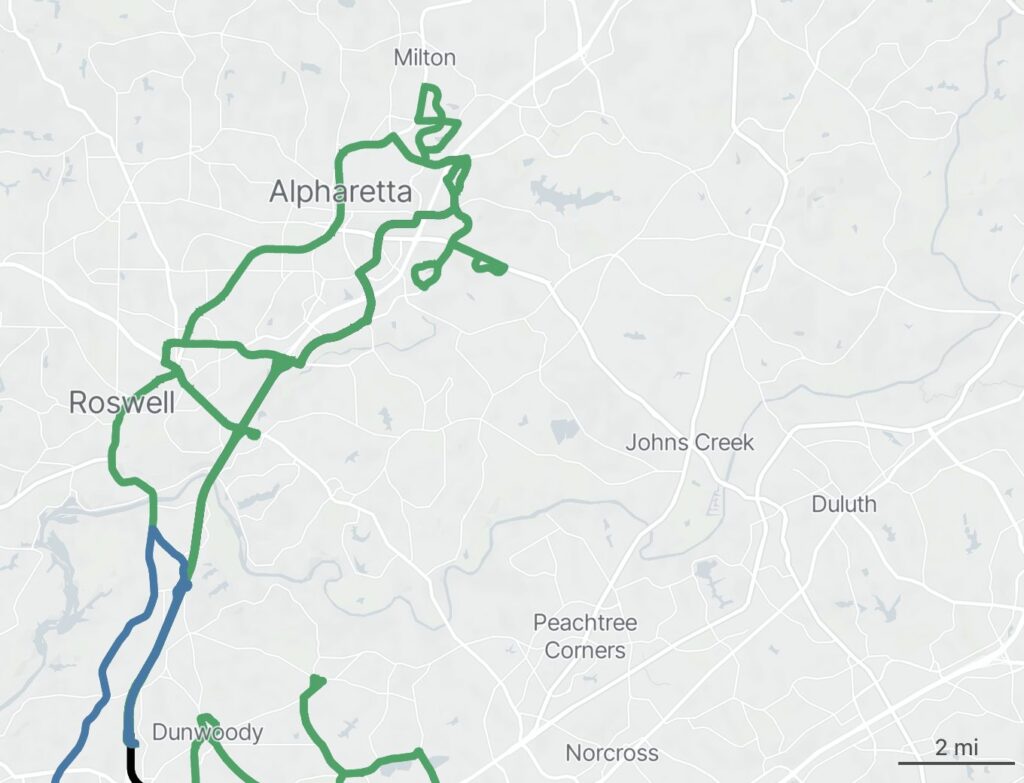
For North Fulton, Reach Zone 312 covers parts of the Alpharetta and Roswell area, offering connections to key points like park-and-ride locations and nearby bus routes. In some zones, riders can also travel slightly beyond the service boundary to connect with rail stations or major transfer hubs, helping bridge the gap between neighborhoods and the broader transit system.
In practical terms, MARTA Reach is less about replacing traditional routes and more about filling in the gaps—particularly for short trips, first- and last-mile connections, and areas where fixed-route service has historically been limited.
A Digital Upgrade Arrives at the Same Time
The physical network isn’t the only thing changing. MARTA is also introducing a new fare system called Better Breeze, allowing riders to tap a credit card or phone directly at bus readers and rail gates.
The system replaces older fare cards with a more modern, open-payment approach, something common in other major cities but long overdue in Atlanta.
At the same time, MARTA is consolidating its apps and improving real-time tracking, aiming to reduce one of the biggest frustrations riders face: uncertainty.
Use the NextGen Trip Planner to see how the NextGen Bus Network will impact your trips
New vs. Old Bus Routes: What’s Changing Locally
A Complicated Start: Five Points Detours
Despite the long-term vision, the rollout will not be seamless. Ongoing construction at Five Points Station—the central hub of the entire MARTA system—is forcing several routes to operate on detours, rerouting buses to stations like Georgia State or King Memorial.
For riders, that can mean longer trips and more transfers, especially during the early months of the rollout.
In practical terms, some commutes could temporarily become more complicated before the system stabilizes.
The Bigger Constraint: GA-400 and Rail Limits
For North Fulton and South Forsyth, the larger issue remains unchanged: rail still stops at North Springs.
The NextGen redesign improves bus efficiency and local connectivity, but it does not extend heavy rail farther north. That limitation continues to shape commuting patterns along the GA-400 corridor, where demand is high but infrastructure remains constrained.
Much of the region’s future transit strategy still depends on managed express lanes and bus-based solutions, rather than rail expansion—a decision that continues to draw debate among planners and residents alike.
Could That Change in the Future?
While the current redesign stops short of reaching these areas, the broader question of expansion remains open. In Gwinnett County, voters approved joining the MARTA system in 2019, and planning is ongoing for future bus rapid transit and local service improvements. That could, over time, bring more meaningful connections closer to cities like Duluth, Suwanee, and Sugar Hill, even if timelines remain uncertain.
Forsyth County presents a more complex picture. It has not joined MARTA, and large-scale transit expansion would require both political approval and funding commitments. Still, as growth continues along the GA-400 corridor, pressure for expanded regional transit options is likely to increase, particularly for commuters traveling into North Fulton and beyond.
For Johns Creek, the path forward may come less from direct expansion and more from improved connections at the edges—stronger links to Alpharetta, Roswell, and key park-and-ride hubs. In that sense, even without a major extension, incremental changes could gradually make the system feel closer than it does today.
What to Expect in April
The weeks leading up to the launch will include new signage at bus stops, public outreach events, and on-site assistance to help riders adjust to the changes.
Still, with nearly every route affected, some confusion is inevitable.
For occasional riders in North Atlanta suburbs, the biggest takeaway is this: the system is becoming more flexible, more digital, and more focused on connections rather than coverage.
For daily commuters, the question will be simpler—whether the new network actually delivers on its promise of being faster, more reliable, and easier to use.
Read Also:
About the Author


In North Atlanta

What North Atlanta Should Know Today. Friday, Sept. 11, 2026
5 Coffee Trucks and Mobile Cafés Worth Finding Around North Atlanta

North Atlanta Weekend Guide: 17 Things to Do Sept. 11–13
Old Milton Parkway Widening Will Reshape Avalon Corridor Through 2029
McGinnis Ferry Work Reaches Christopher Robin Road, With Spring 2028 Still the Target

Dervish Plans 200-Seat Turkish Restaurant in Johns Creek
IN NORTH ATLANTA