 Exclusive sponsor
Empty Waymos Circling an Atlanta Cul-de-Sac Raise a Bigger Question for the Suburbs
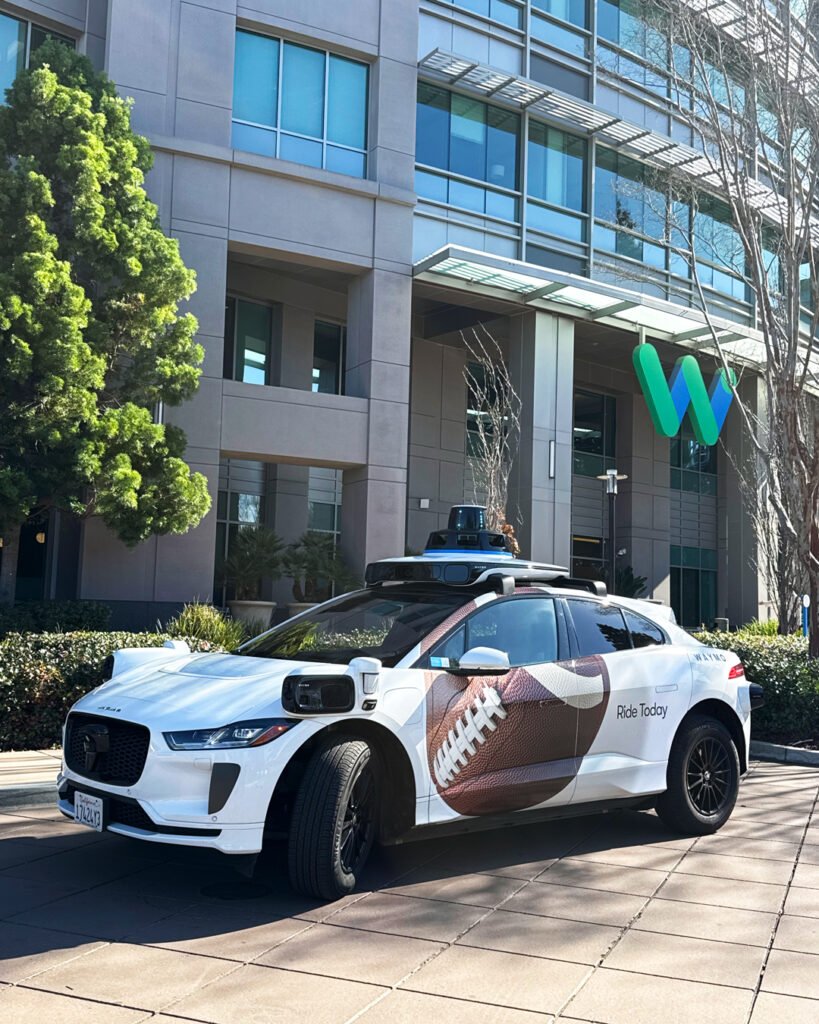
Empty Waymo self-driving cars have been seen circling a cul-de-sac in northwest Atlanta, raising questions about autonomous vehicle impacts on suburban streets and community expectations.
Major local stories and useful updates, once a week.
A strange scene unfolding in a northwest Atlanta neighborhood this week may offer one of the clearest glimpses yet into what the next phase of suburban life could look like across metro Atlanta.
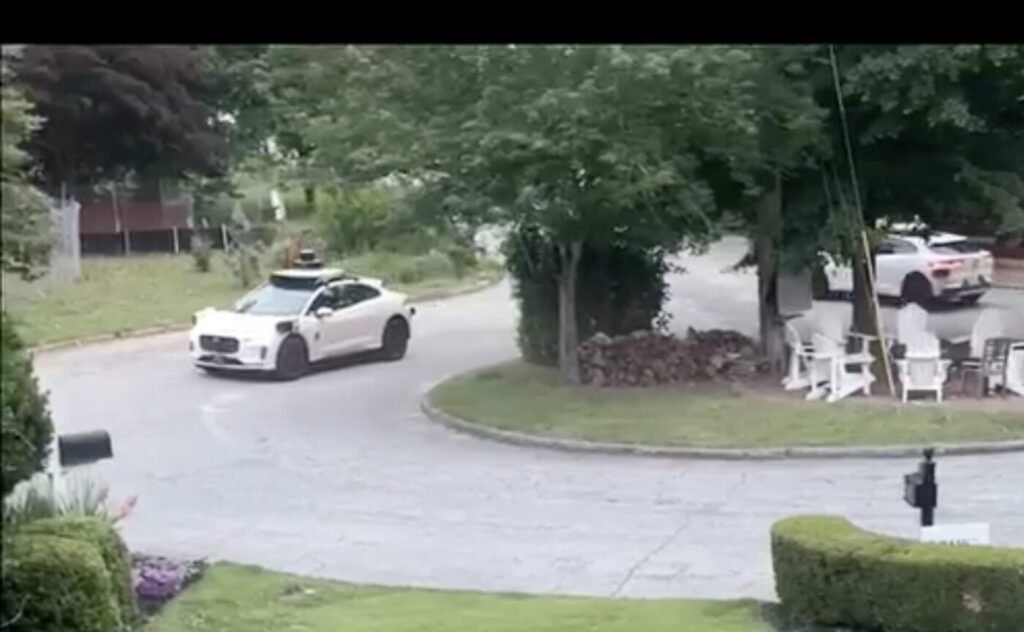
According to reporting by Channel 2 Action News, residents on Battleview Drive said groups of empty Waymo self-driving vehicles have been repeatedly circling their residential cul-de-sac over the past several weeks, sometimes in large numbers and without passengers.
The story immediately struck a nerve far beyond one neighborhood.
Residents told Channel 2 they were concerned not only by the unusual volume of autonomous vehicles, but by the feeling that a quiet residential street had somehow become part of a robotic traffic system operating outside normal suburban expectations. Parents mentioned children waiting for school buses, pets near the street, and the unease of seeing the same driverless vehicles repeatedly moving through the neighborhood with no visible destination.
Waymo, which now operates autonomous ride-hailing vehicles in Atlanta through the Uber platform, responded by saying it had “already addressed this routing behavior” and emphasized its broader safety record nationally.
But the images themselves — empty robotaxis silently looping through a suburban cul-de-sac — felt less like a traffic complaint and more like a preview.
Because the reality is that metro Atlanta may be uniquely positioned for this transition.
The region’s sprawling road network, relatively mild weather, modern suburban infrastructure, and long driving distances make places like Alpharetta, Johns Creek, Milton, Roswell, Duluth, and South Forsyth especially attractive environments for autonomous fleets. Wide lanes, master-planned developments, office parks, and predictable traffic patterns are far easier for self-driving systems to navigate than older dense urban grids in cities like Boston or Philadelphia.
In many ways, the North Atlanta suburbs already function as ideal test grounds for machine-driven transportation.
And yet culturally, the suburbs may be among the least emotionally prepared places for it.
Suburban life has long been built around a quiet understanding of how residential space works. Cul-de-sacs are not simply pieces of asphalt. They are extensions of neighborhood identity. Residents expect familiarity, low traffic, and a sense that local streets belong primarily to the people living there.
Autonomous systems do not naturally recognize those emotional boundaries.
An algorithm sees efficiency, routing, fleet balancing, pickup positioning, and idle circulation. A dead-end street may simply become a useful turnaround point or temporary holding pattern unless engineers deliberately restrict it. What feels deeply personal to residents may appear mathematically insignificant to a fleet-management system.
That mismatch may define the next few years of suburban adaptation.
The Battleview Drive situation also hints at how these conflicts may increasingly play out. Residents complain. Videos spread online. City officials receive calls. Companies adjust routing software. The machines disappear from one neighborhood and reappear somewhere else.
For now, the idea still feels slightly surreal. Empty Waymos circling a suburban cul-de-sac sounds closer to speculative fiction than daily life in Georgia.
But so did many other parts of modern transportation only a decade ago.
The sight of strangers summoning rides from phones outside Avalon or The Battery once seemed futuristic too. Today it barely registers. Electric delivery vans, app-based grocery logistics, and algorithm-driven traffic routing have already reshaped suburban patterns in ways most residents hardly notice anymore.
Autonomous fleets may simply become the next layer.
The larger question is not whether self-driving vehicles are coming deeper into suburban Atlanta. They already are. The real question is whether suburban communities will gradually normalize their presence — or whether neighborhoods across metro Atlanta begin pushing back against the idea that residential streets should become extensions of constantly moving AI-managed transportation systems.
For residents watching empty Waymos repeatedly circle a quiet cul-de-sac this week, that future suddenly felt much closer than expected.
If this felt close to home, these stories may be worth your time too.
Community Voice
A snapshot of reader views, not a scientific survey.
Explore Community Voice →About the Author


In North Atlanta

Au and Thorne discuss lawsuit reform, jail spending and political compromise in Johns Creek
Cosmic Baseball Is Coming to Gwinnett in 2027; Ticket Lottery Opens
Israel Baseball’s First Atlanta Camp Connects Young Players With a Wider Jewish Community
Swig Brings ‘Dirty Soda’ to Brookhaven With First Metro Atlanta Shop
Tesla’s Roadster Can Leave the Ground. Can It Handle GA 400?
Five Fall Weekends Within Driving Distance of North Atlanta
IN NORTH ATLANTA