Exclusive sponsor
Homelessness Jumps 34% in Fulton, With Roswell and Alpharetta Prominent
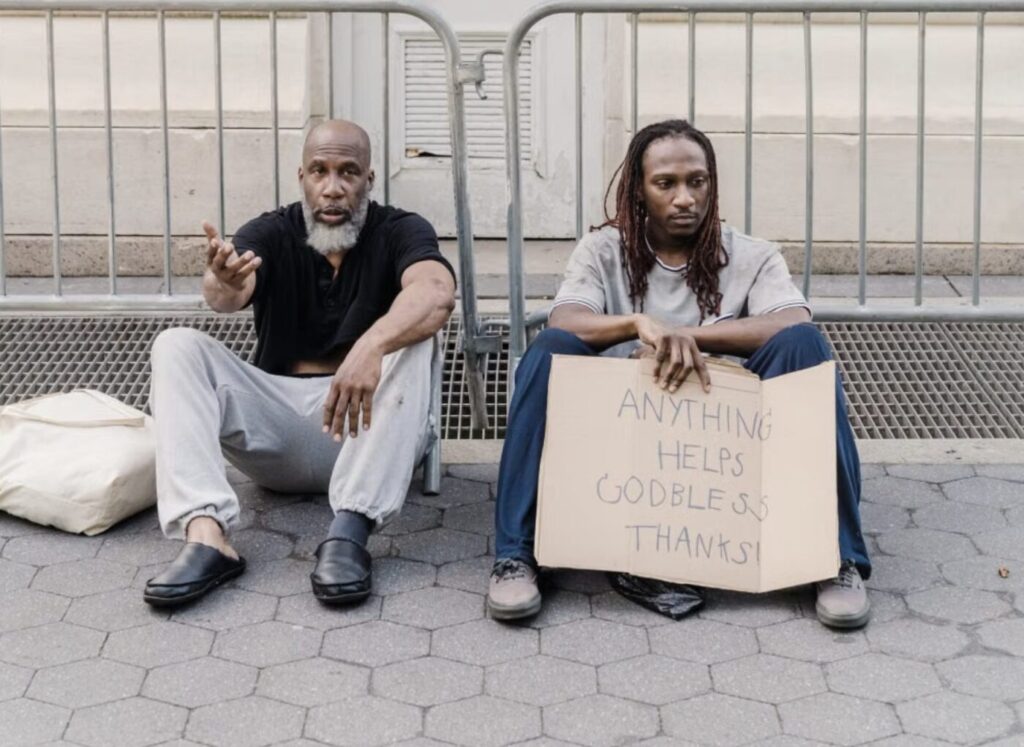
Fulton County’s 2026 homelessness count reveals a 34% increase outside Atlanta, with Roswell and Alpharetta accounting for more than a third of unsheltered residents. The rise follows a decline last year and underscores gaps in housing resources.
Major local stories and useful updates, once a week.
Fulton County’s latest count found 323 people experiencing homelessness outside Atlanta. More than one-third of those living without shelter were counted in Roswell and Alpharetta.
Homelessness rose sharply across Fulton County outside the city of Atlanta this year, with Roswell and Alpharetta accounting for a surprisingly large share of the county’s unsheltered population.
Fulton’s 2026 Point-in-Time Count identified 323 people experiencing homelessness, up from 241 in 2025. The 34% increase reversed much of the decline reported one year earlier and brought renewed attention to a problem that is often less visible in the northern suburbs.
Of the people counted, 146 were living without shelter. Another 177 were staying in emergency shelters or transitional housing.
Roswell accounted for 20.5% of the unsheltered count, while Alpharetta accounted for 15.1%. That translates to approximately 30 people in Roswell and 22 in Alpharetta on the night of the count.
Combined, the two North Fulton cities represented more than one-third of all people found living without shelter across the county outside Atlanta.
Suburban homelessness can remain largely out of sight
The numbers challenge the assumption that homelessness is primarily an urban problem concentrated around downtown Atlanta.
In North Fulton, people without stable housing may be living in vehicles, wooded areas, extended-stay properties or other locations that are less visible than a downtown encampment. Some continue working, attending school or caring for children while moving between temporary arrangements.
That can make the problem difficult to recognize in communities better known for expensive homes, corporate offices and high household incomes.
The count found the largest concentrations of unsheltered homelessness in East Point, Roswell and Alpharetta. Together, the three cities accounted for 57.5% of everyone found living without shelter.
Milton and Johns Creek were not identified among the leading locations in the county’s published summary. The county did not release a complete city-by-city breakdown with its announcement.
The count is a snapshot, not the full population
The survey was conducted in January as part of a federally required effort to measure homelessness on a single night.
Volunteers and service providers count people staying in emergency shelters and transitional housing, then search for people living outside or in places not intended for habitation. The information helps governments and nonprofit organizations identify gaps, plan programs and compete for federal funding.
But the count is not designed to capture everyone experiencing housing instability.
Someone who stays temporarily with a relative, moves between friends’ homes or pays for a motel room without assistance may not meet the survey’s definition of homelessness. People sleeping in vehicles or isolated locations can also be missed if volunteers do not find them during the count.
The total of 323 should therefore be understood as a minimum one-night estimate rather than a complete measure of every Fulton resident without a secure home.
Most of the households counted were adults without children
Adult-only households accounted for 85.9% of the households identified in Fulton’s 2026 count.
That does not mean families are unaffected. Families living with relatives, changing motels or facing eviction may be among the residents most likely to fall outside a one-night survey.
Still, the adult-only share suggests that much of the county’s visible homelessness involves individuals navigating the system alone. Their needs may include not only housing but also transportation, employment assistance, health care, mental-health treatment or help replacing identification and other documents.
The county’s report does not identify a single cause for the increase. It does, however, point to a reduction in the housing resources available to move people out of homelessness.
Housing capacity fell as the need increased
Fulton County reported an 8.7% decline in its housing inventory, driven largely by a loss of rapid-rehousing capacity.
Rapid rehousing generally provides short-term rental assistance and support intended to help someone move quickly from a shelter or the street into a permanent home. A reduction in that capacity can leave fewer immediate options for outreach workers even when they find someone ready to accept help.
That creates a difficult combination: more people counted as homeless and fewer available housing placements.
The county says the findings will guide decisions involving outreach, shelter capacity, supportive services and housing programs. The data also helps determine how federal homelessness funding is distributed.
The North Fulton numbers deserve closer attention
The report leaves several important local questions unanswered.
It does not explain why Roswell and Alpharetta account for such a large portion of the unsheltered count, how long the people identified had been homeless or how many were employed. It also does not show how many people first lost housing in North Fulton and how many arrived from elsewhere while seeking work, transportation or services.
A fuller local picture would also require information from schools, food pantries, churches, health providers and organizations assisting residents before they enter the formal homelessness system.
What the count establishes is that homelessness is not peripheral to North Fulton. On one January night, Roswell and Alpharetta together accounted for approximately 52 of the 146 people found living without shelter across Fulton County outside Atlanta.
And because the survey captures only one night—and not every form of unstable housing—the actual number of North Fulton residents struggling without a dependable place to live is almost certainly higher.
Fulton County plans its next North Fulton count for Jan. 26, 2027. The county says additional information about volunteer participation will be released later.
The complete county findings and future count information are available through Fulton County’s Point-in-Time Count page and its 2026 report announcement.
If this felt close to home, these stories may be worth your time too.
Community Voice
A snapshot of reader views, not a scientific survey.
Explore Community Voice →About the Author


In North Atlanta

Japanese Sushi and Steakhouse Planned for Former On The Border in Alpharetta

Synchrony Opens New Alpharetta Hub for More Than 650 Local Employees

New Dining, Live Music and Small Shops Planned for Downtown Alpharetta

Morgan Stanley Picks Dallas Over Alpharetta for Major Hub With 3,800 Jobs

ANDRITZ Is Hiring Engineers and Project Leaders in Alpharetta
Old Milton Parkway Widening Will Reshape Avalon Corridor Through 2029
IN NORTH ATLANTA