North Atlanta Talent: Revital Hasenfratz on Drawing, Designing for AI and What Comes Next
Revital Hasenfratz, a North Atlanta product designer, discusses working with AI in design and mentoring others while balancing creative life and career growth.
Major local stories and useful updates, once a week.
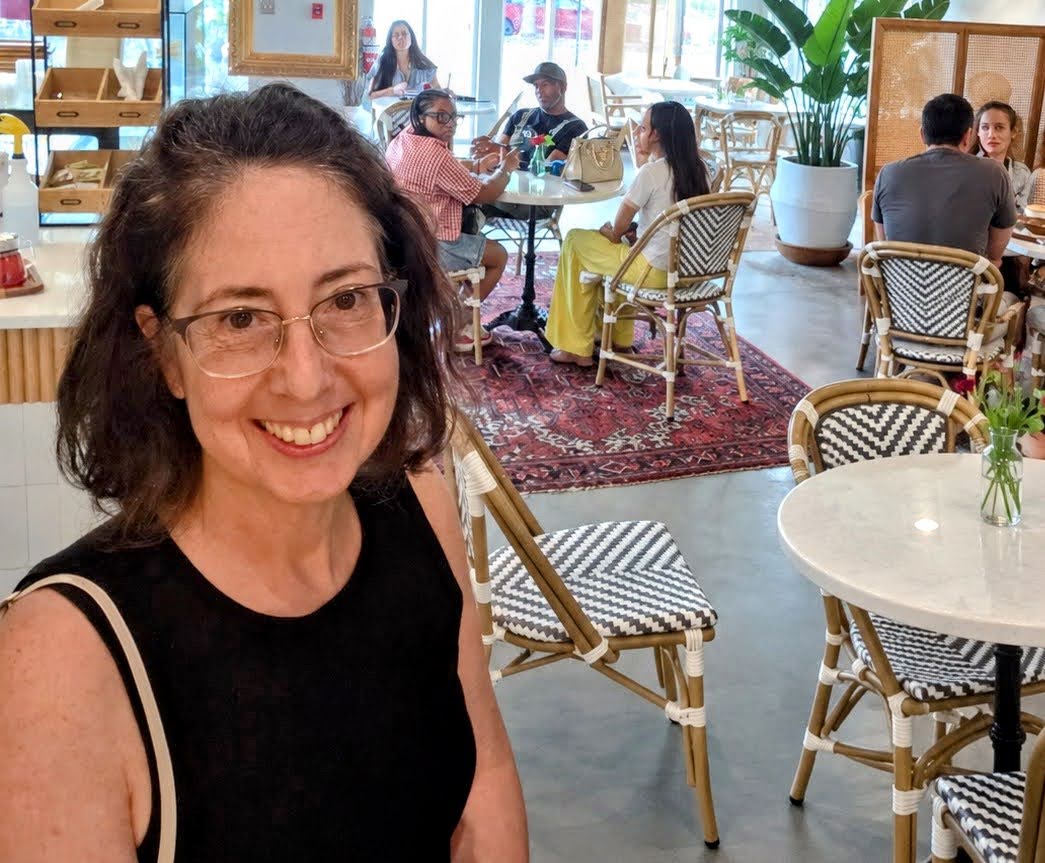
When her teenage son began drawing after watching the animated Spider-Verse films with friends, Revital Hasenfratz bought him acrylic paints. Here was an interest they could share, something beyond the basketball and video games that usually occupied his attention. For a mother whose professional life has taken her deep into artificial intelligence, sitting down to draw together offered a pleasure that needed very little explaining.
Hasenfratz, a Cumming resident, has spent more than two decades designing digital products. Her career has included mobile applications, online shopping experiences and software that helps businesses communicate with customers. At LivePerson, she progressed from product designer to principal UX designer. Her more recent work at ServiceNow has focused on how people use AI within complex business software, including tools that help employees write, summarize information and understand work performed by AI.
Now, as she considers her next professional opportunity, she is particularly interested in design strategy and mentoring, with room to remain involved in the practical work of making products. But a résumé tells only part of her story. There is also the child who always drew, the professional who learned to present her ideas with confidence, and the mother watching her son discover a creative field whose future she is helping shape.
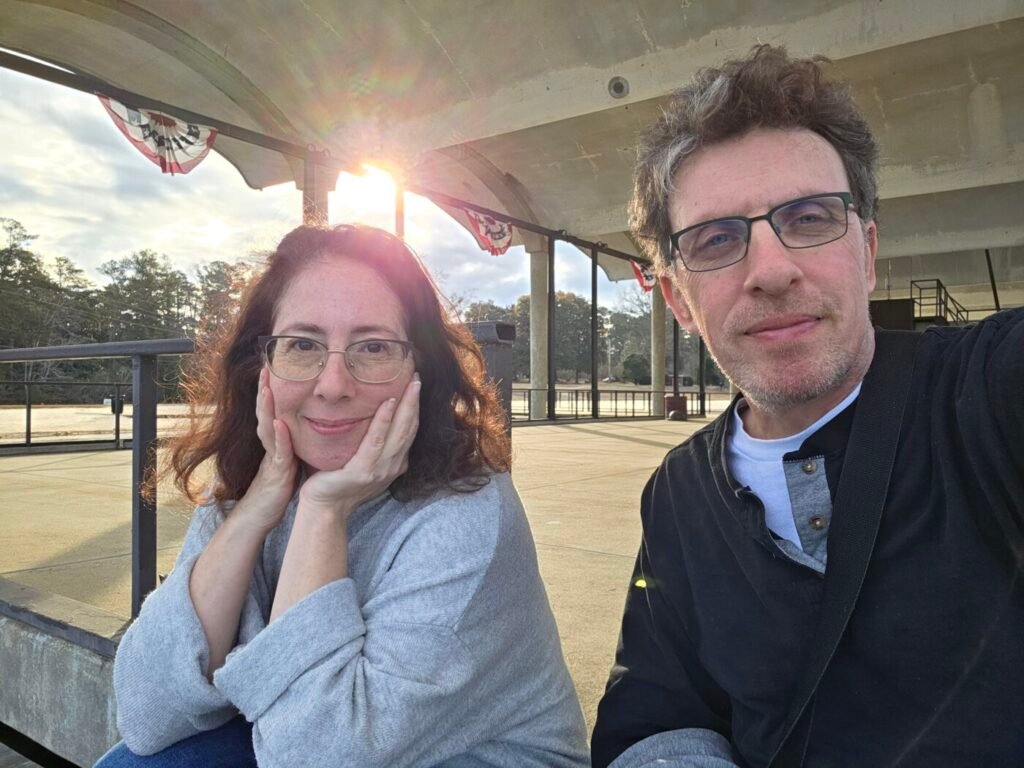
Disclosure: Revital Hasenfratz is married to North Atlanta Star editor and publisher Tsvi Jolles, who conducted this interview, and she also volunteers her experience to support the publication. North Atlanta Talent was her idea: a free editorial project to help local job seekers tell the fuller story behind a résumé. She agreed to be the first subject after discovering that marrying the editor comes with occasional pilot-program duties.
The interview was conducted in Hebrew and has been translated, condensed and edited for clarity.
Before software, before AI, when did drawing enter your life?
As far back as I can remember. My grandmother told me that when I was three, she was already embarrassed to draw for me, because I was drawing for her.
I didn’t immediately understand that it could become a profession. When I was choosing what to study in high school, there was a graphic-design track. I thought, this involves drawing, and drawing is what I love to do. It felt like the most natural choice. From there, it was almost as though the path had been written for me.
Or rather, drawn.
Exactly. I never stopped working in the field, and when it came time to continue my education, I knew I wanted to study design.
What would most surprise that younger version of you about the professional you became?
The confidence. Being able to stand in front of other people, present what I’m doing and put forward ideas. Being able to have those conversations with senior leaders.
When I started, I was much less confident. I was working more on the marketing side, doing a little bit of everything. UX wasn’t a term we were using in that work. So I think what would surprise me most is the willingness to speak up and present an idea, rather than a particular technology I’ve learned to use.
You moved to North Atlanta about a decade ago. What was the biggest professional adjustment?
The language was probably the main thing. Before, most of my conversations about design had been in Hebrew. Here, I had to make that switch.
I had already worked with colleagues in the United States and India, so working across cultures wasn’t entirely new. But you feel the differences much more when you are here every day and your manager is American, too.
One thing I learned was the “sandwich” approach to feedback: say something positive, give the criticism, then finish with something positive. I came from a much more direct working culture. I’ve tried to soften my own directness, but I also explain it to people so they know what to expect. In my experience, they appreciate not having to work out what I’m trying to say.
Then came another adjustment: working from home. How did that suit you?
At first, it was very difficult. I like working with people. I’m a team person, and I was used to getting up and going over to someone to discuss something.
Even before working from home, I had noticed how much quieter the offices here were than the ones I had worked in before. People would send a message rather than get up and come over. In a way, that was already a step toward working more independently.
On the other hand, I think my output actually increased when I worked remotely. In an office, you have the commute, the breaks, the coffee, the conversations. Those things have their advantages, too. It took time to get used to the change.
Your son has started asking you about drawing. You bought him acrylic paints. Do you want to teach him, or let him discover it for himself?
It’s fun because I can sit down and do it with him. It really is that simple.
As for teaching him, I think it’s a combination. He has to discover for himself what he likes and how he likes to do it. You don’t dictate those things. But you do want to give him the tools you’ve acquired and share what you’ve learned.
Would you like him to follow you into design?
I don’t know. All kinds of professions are changing now, not just this one. I know our field is going to change, but I think some things will remain important.
It may become less about being the person who can draw best or produce the best animation, and more about the thinking behind it: developing the ideas and providing direction, rather than doing all the execution.
But predicting it is difficult. Even when we’re designing for AI now, someone will ask what a feature will look like in six months, and we say, “God knows.” That’s how quickly it moves.
How has AI changed the way you do your own design work?
It gives you something like a constant brainstorming partner. You can work through ideas with it and create prototypes much faster than before.
But it depends on the task and on where you are in the process. There are still points when I feel it would be easier to go into Figma and do the work there rather than keep working with AI. It isn’t the same answer for every task.
Your work also involves designing AI into products for other people. What is most important there?
Responsible AI is one of the most important principles, perhaps the most important.
We know AI can take a task and start inventing information. So you need to remind users to check what they receive, but you also need to give them the tools to check it. It isn’t enough just to put AI into a product. You have to think about how people will use it and evaluate what it gives them.
You describe your approach as “designing to scale.” What does that mean without the industry language?
It means looking at the feature I’m working on and asking how the design could serve other needs, too. Could it develop further in the future without our having to rebuild the same component every time?
You design with that future in mind, then work backward and decide what belongs in the first version. You keep helping the engineers and product manager understand where it is supposed to go, so the decisions they make now can support that direction. There needs to be a shared understanding of the destination.
Can you give an example?
One example is the Now Assist Context Menu at ServiceNow. It began with a request for a fairly small feature: helping service agents write resolution notes after finishing work on a support ticket.
People often don’t write those notes, or they write something very brief, because documenting the work takes time. That makes the information harder to use later. The initial idea was to let the person press a button and have AI generate the notes, while leaving the decision about when to use it with the person.
When I looked at the problem, I saw other uses. Those same people also write emails, describe problems and prepare articles explaining how to resolve recurring issues. Many are working in a language that isn’t their first language. I could certainly identify with wanting help expressing something clearly.
So I proposed something that could do more than generate resolution notes. It could help create content, edit something already written, summarize information or change just a selected passage.
How did you make that useful across a much larger system?
It was a bigger undertaking than the original request. I looked into other needs and found three or four uses that could justify building something reusable rather than solving only the first problem.
Another consideration was how to introduce it without requiring everyone to redesign what they already had. These are complex systems. Different business units have their own applications, and customers may have customized them further.
I wanted the component to work more like a plug-in, appearing where it was needed without breaking the existing page layout. Eventually, more than 36 business units adopted it, and more than 400 customers were using it.
After all these years, what still makes you eager to take on a project?
I haven’t had my fill of AI yet. There is still a lot of work to do, including exploring how people interact with it beyond conversation.
But any complex problem can interest me. A new idea, or even a subject I haven’t worked on before, makes me want to get into it and understand how to solve it well. I like solving problems. I like complicated situations that you have to work your way through.
Does that explain your fondness for logic games?
Probably. They are puzzles where you have to find your way through and find the best solution. There is definitely a connection.
What are you hoping to find in your next role?
I really enjoy strategy, and I enjoy mentoring other designers—and not only designers—about user experience and how to think through these problems.
That is still enjoyable when we’re designing for AI. I like sharing what I know. So I’m hoping for a role with more emphasis on strategy and somewhat less on hands-on execution, although I have no problem getting involved in the hands-on work, too.
Would that be at a startup or a large company?
It depends. I can enjoy working at a startup, and I can enjoy working at a large enterprise. There isn’t one size of company that answers the question for me.
I like companies that challenge themselves.
Beyond the résumé
Away from work, Hasenfratz enjoys traveling and has visited many countries. Seeing more of the world remains an important part of her life, alongside the home she has made in North Atlanta over the past decade.
There is also the quieter pleasure of sharing something familiar with her son as he discovers it for himself. Maybe he follows her into design someday. Maybe he doesn’t. Hasenfratz seems comfortable with that uncertainty. It is, after all, the kind of problem she has spent a career learning not to solve too early.
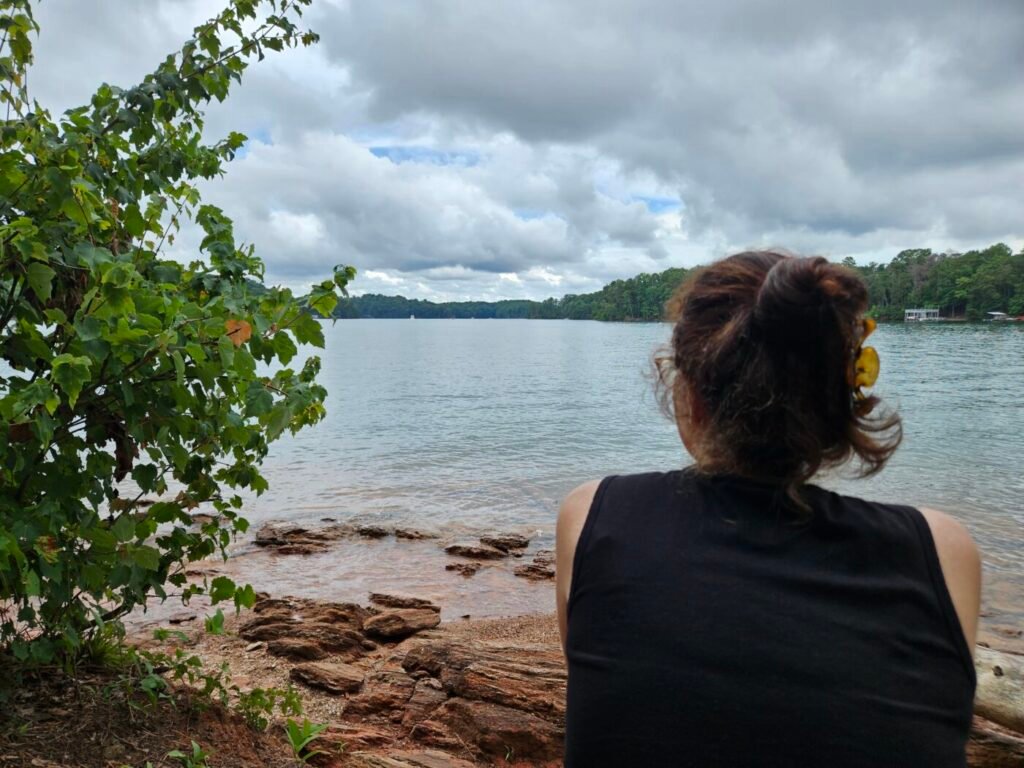
Employers interested in connecting with Hasenfratz can contact North Atlanta Star at editor@northatlantastar.com.
About the Author

In North Atlanta
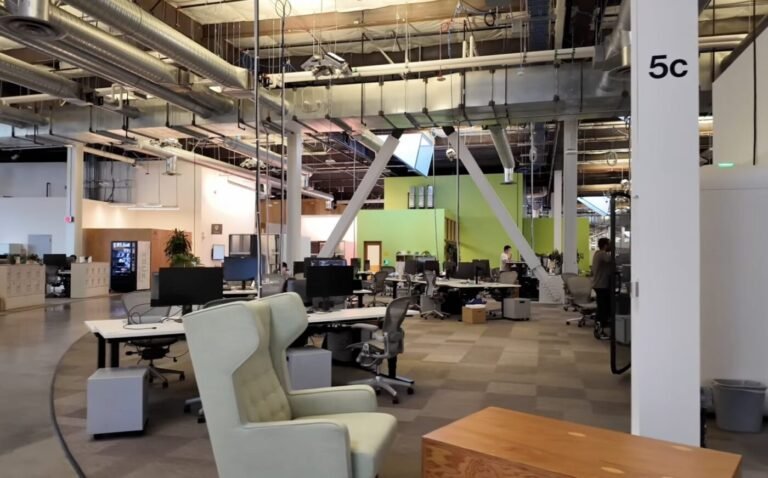
What Meta’s Latest Layoffs Could Mean—And Not Mean—for North Atlanta
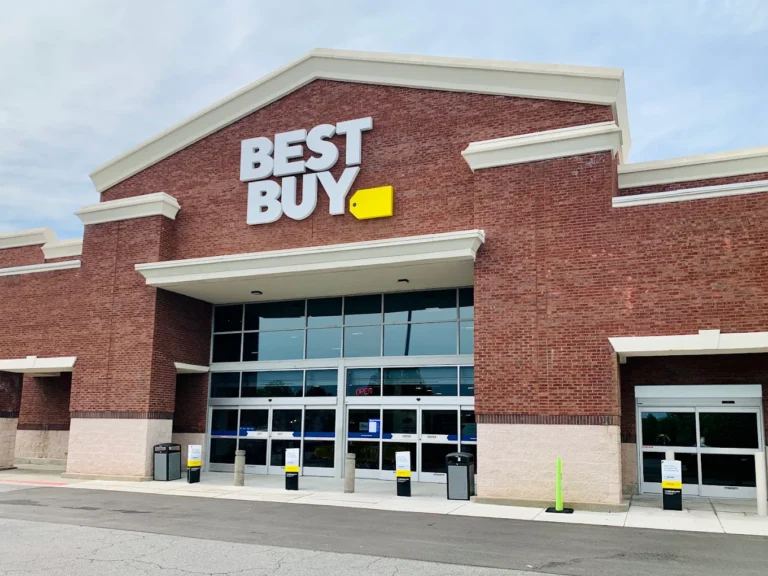
Best Buy Adds Seasonal Jobs Across Alpharetta, Buford and Cumming
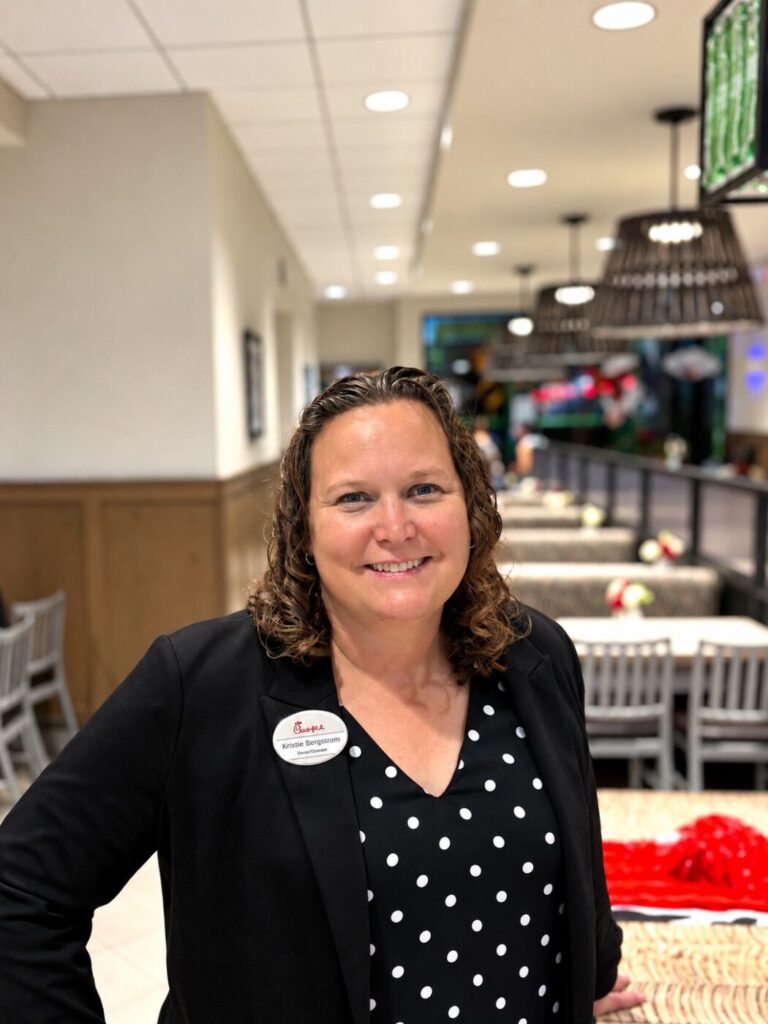
Eight Employees Moved to Georgia With Forsyth Chick-fil-A Operator
North Atlanta Car Shoppers May See Fewer Bargains Online

Are Prices Rising Again in North Atlanta? What Homeowners in Johns Creek, Alpharetta, and Cumming Are Seeing in 2026