Elon Musk Is Building Something Close to a Company Town on the Louisiana Coast
SpaceX will develop a $100 billion industrial campus on the Louisiana coast featuring launch pads, employee housing, and infrastructure. The massive project aims to create thousands of jobs while navigating important environmental concerns in coastal wetlands.
Get the week’s jobs, development, housing and growth stories from across the Sun Belt in one email.
 Exclusive sponsor
Elon Musk’s next great industrial campus will not simply launch rockets. It is being designed to generate its own power, produce its own fuel, receive enormous spacecraft by water and house employees and their families on a remote stretch of the Louisiana coast.
SpaceX has announced plans to invest $100 billion in “Starbase Louisiana,” a 125,000-acre complex near Pecan Island in Vermilion Parish. Construction is expected to begin in 2027, with the first Starship launch targeted for 2029.
If completed as envisioned, it would become SpaceX’s fourth and largest U.S. launch site—and one of the most unusual company-built communities in modern America.
The property is more than eight times the size of Manhattan. Plans call for five launch complexes with two pads each, along with methane and liquid-oxygen production, power generation, vehicle-processing facilities, deep-water shipping access and residential housing. SpaceX President Gwynne Shotwell has also raised the possibility of an airport.
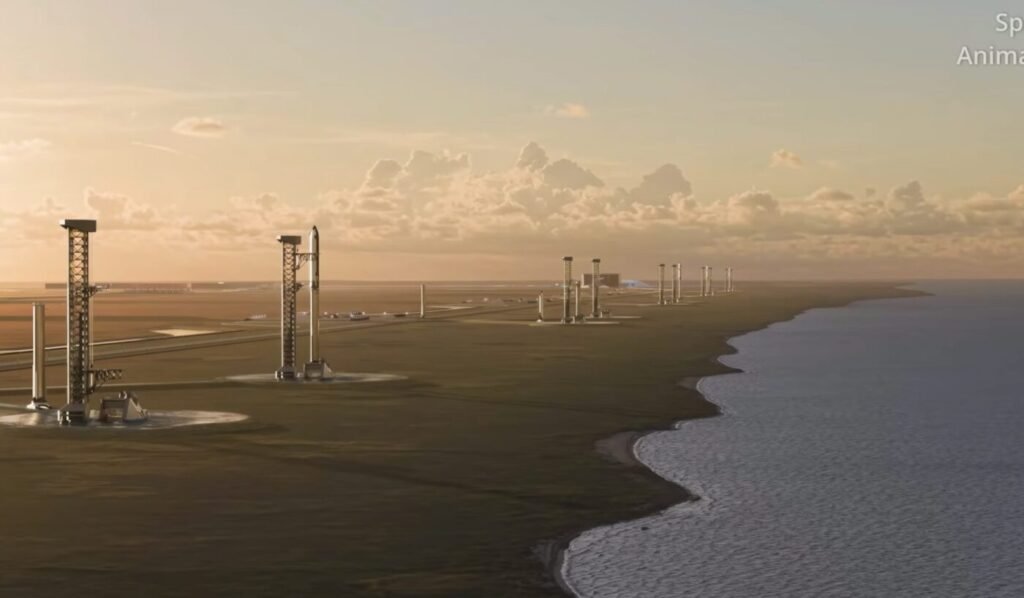
It will not initially be a town in the traditional legal sense. But when one company provides the jobs, homes, utilities and much of the infrastructure across a vast isolated property, the distinction begins to narrow.
A new industrial model for the Sun Belt
Company towns once grew around coal mines, steel mills and textile factories. Starbase Louisiana represents a newer version built around private spaceflight, artificial intelligence and infrastructure operating at a scale once associated primarily with governments.
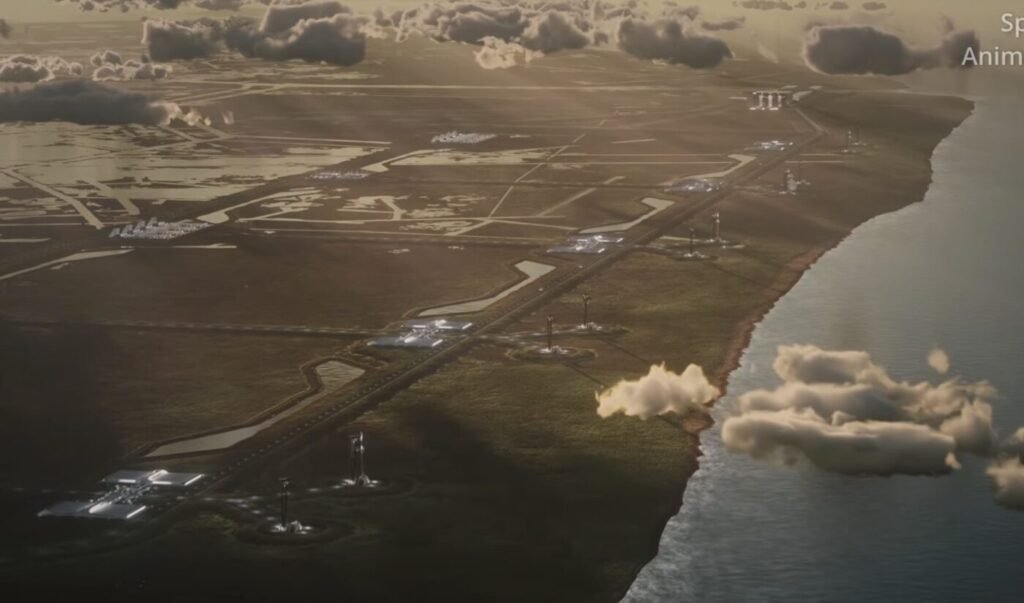
SpaceX describes the campus as essential to making Starship launches routine. The reusable rocket is intended to carry satellites into orbit, support NASA’s return to the moon and eventually transport people and equipment to Mars. Musk also envisions using it to deploy enormous numbers of satellites capable of processing artificial-intelligence workloads in orbit.
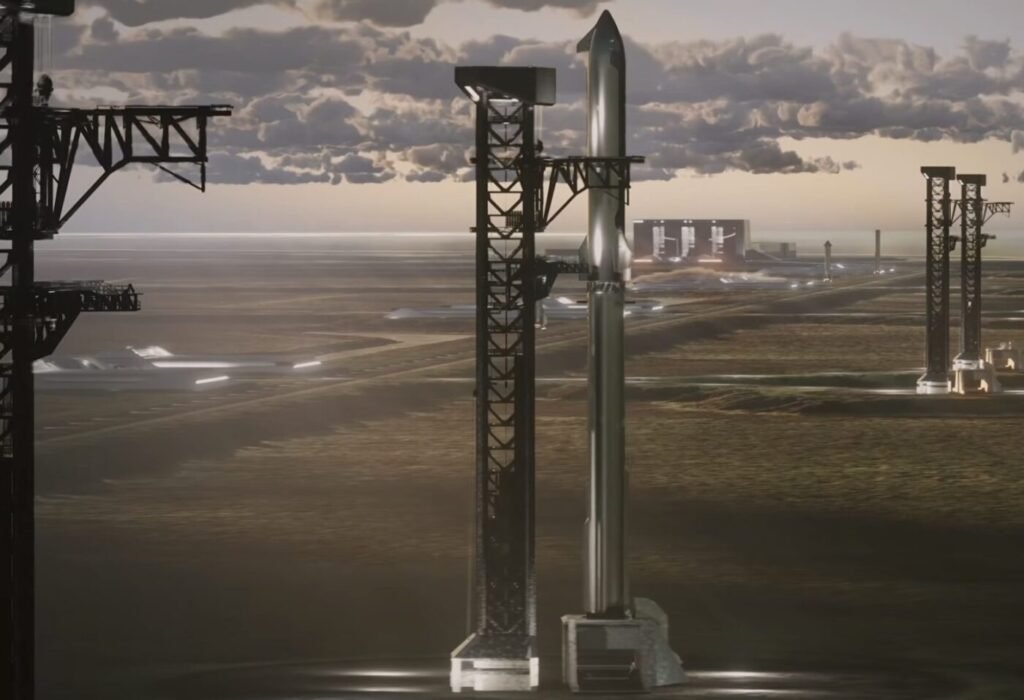
Louisiana offered several advantages: abundant natural gas, an extensive coastal property and access to Gulf launch paths. Starships built in Texas could arrive through deep-water shipping facilities rather than traveling over public roads.
The economic promise is substantial. SpaceX expects to create 3,000 direct jobs over 10 years with an average annual salary of $92,600, nearly three times Vermilion Parish’s average wage. Louisiana Economic Development projects another 8,100 indirect jobs across the Acadiana region.
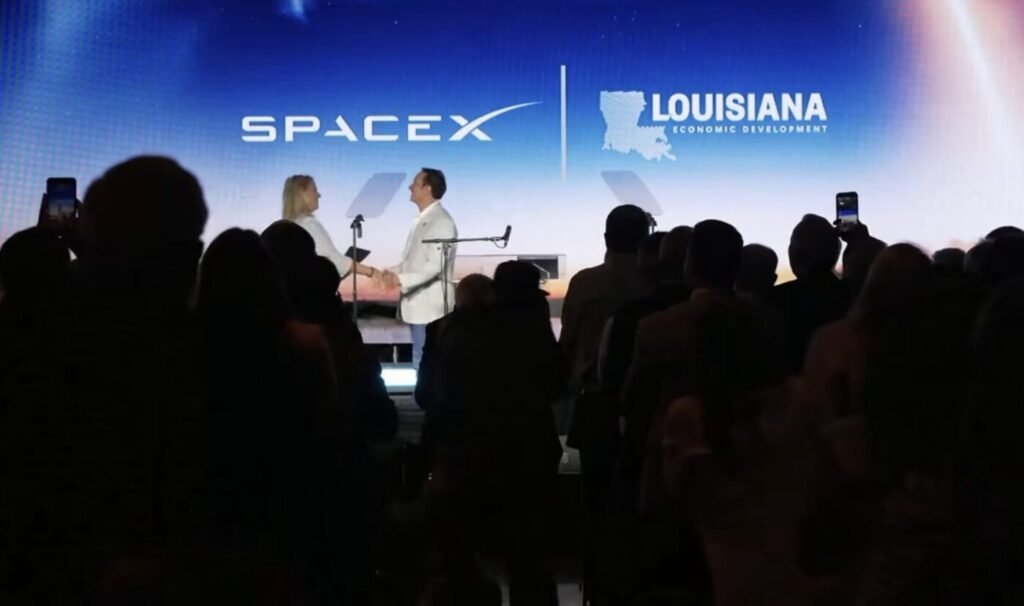
The company will make annual payments of $25 million to local taxing bodies for 25 years under a payment-in-lieu-of-taxes agreement, with the amount rising over time. An additional $20 million will be paid upfront, bringing expected local payments above $820 million.
Those figures help explain the appeal in a coastal region where traditional oil and gas employment has weakened. A project of this size could support contractors, restaurants, housing, schools and specialized training far beyond the launch property.
The $100 billion figure, however, remains a long-term company commitment rather than money already spent. The development schedule, launch frequency and eventual workforce all depend upon Starship overcoming substantial engineering and regulatory hurdles.
The wetlands are not empty land
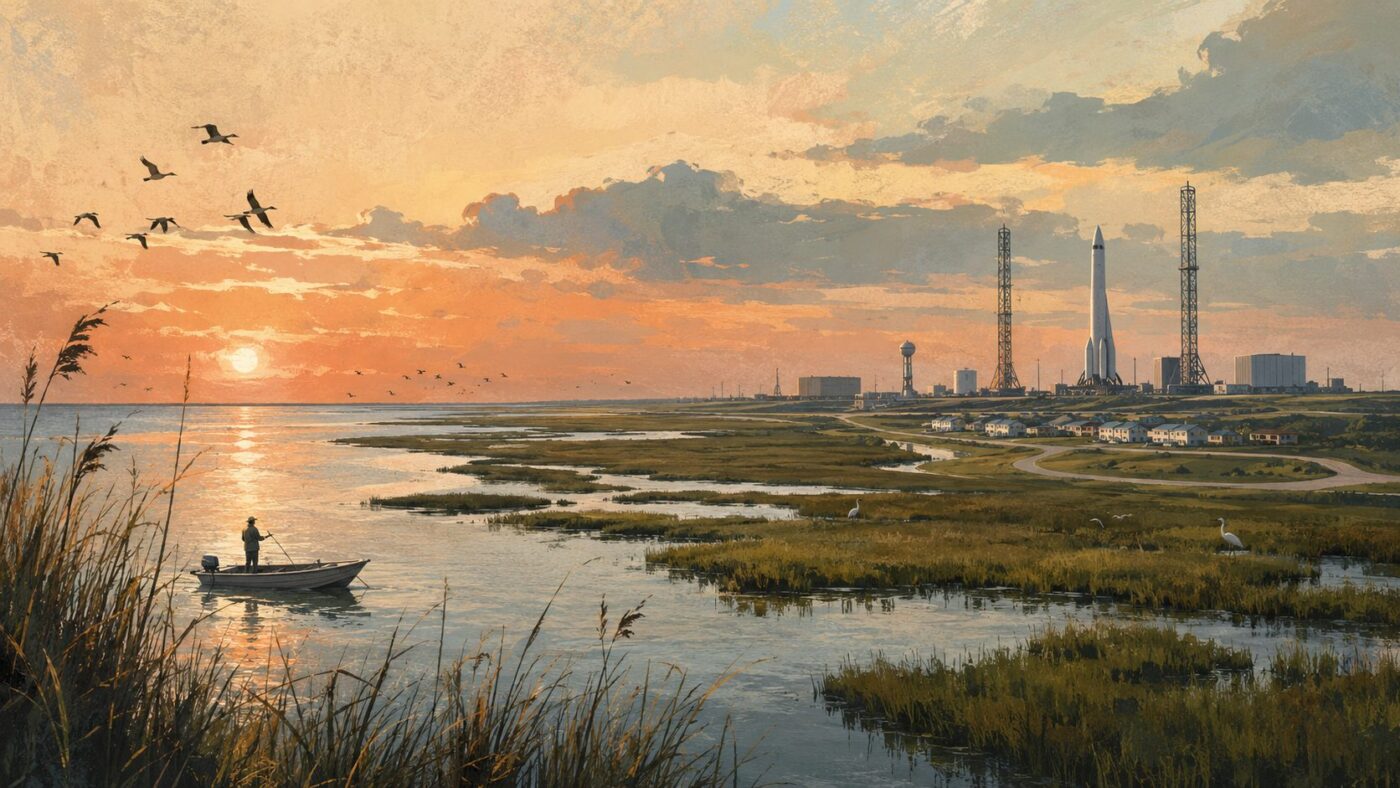
The site’s isolation makes it useful for launching rockets, but it does not make it unoccupied or ecologically insignificant.
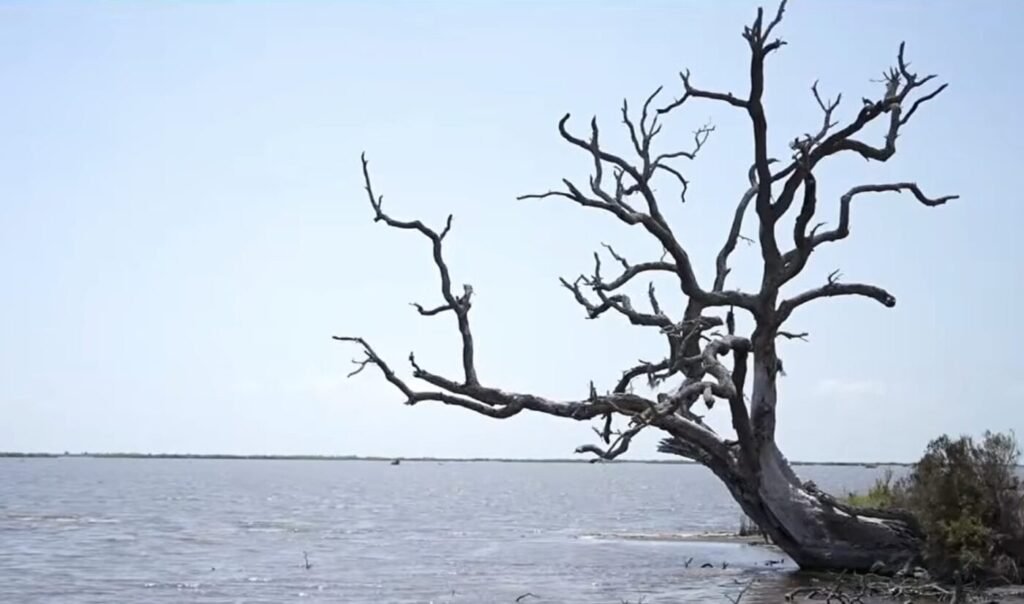
Pecan Island sits within coastal wetlands that provide habitat for migratory birds and help protect inland communities from storms and flooding. The area supports endangered whooping cranes as well as piping plovers and Kemp’s ridley sea turtles. It is also part of the Mississippi Flyway, one of North America’s most important bird-migration routes.
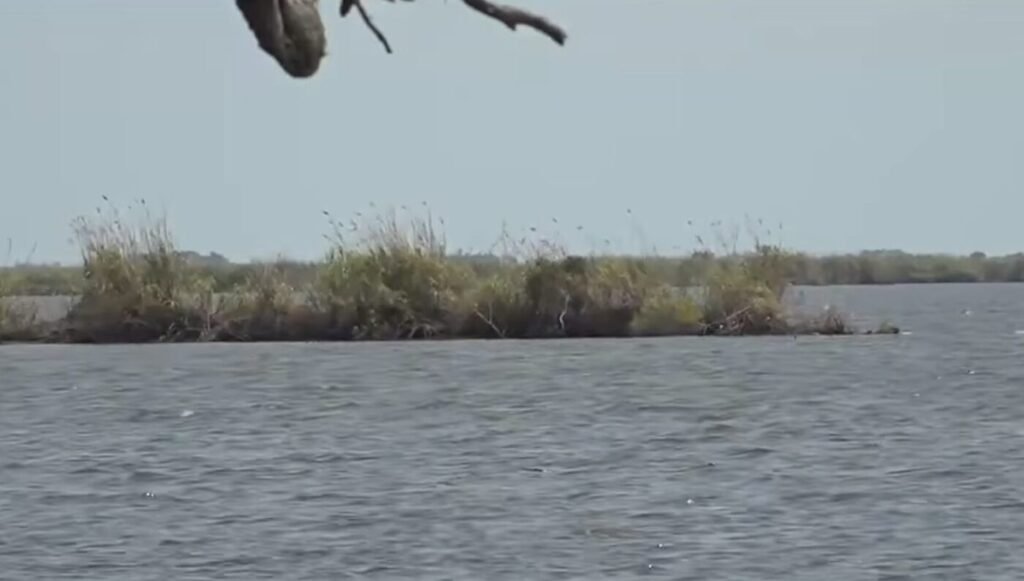
The former Exxon property was previously at the center of litigation alleging that drilling and canal construction contributed to Louisiana’s wetland loss. A settlement between the state and Exxon helped clear the way for the property’s sale and SpaceX’s development plans.
Wildlife organizations have warned that a spaceport of this scale could require marsh filling, dredging, roads and launchpads while introducing intense noise, light and industrial activity. Their concerns have grown as the Federal Aviation Administration considers changes intended to accelerate commercial-space licensing.
SpaceX says large portions of the property will remain undeveloped and has promised to work with state agencies and conservation groups to avoid or mitigate damage. The company also says it will contribute to coastal restoration and environmental stewardship.
That commitment will be tested against the extraordinary scale of the plan. SpaceX ultimately wants thousands of launches each year, an ambition far beyond the cadence of today’s American spaceports.
One company, an entire community
Starbase Louisiana expands a pattern already visible at SpaceX’s original Starbase in South Texas. There, the company transformed the small Boca Chica community into a rocket-production and launch center, and the surrounding settlement later became an incorporated city dominated by SpaceX employees.
Louisiana’s version would be larger and more self-contained from the beginning.
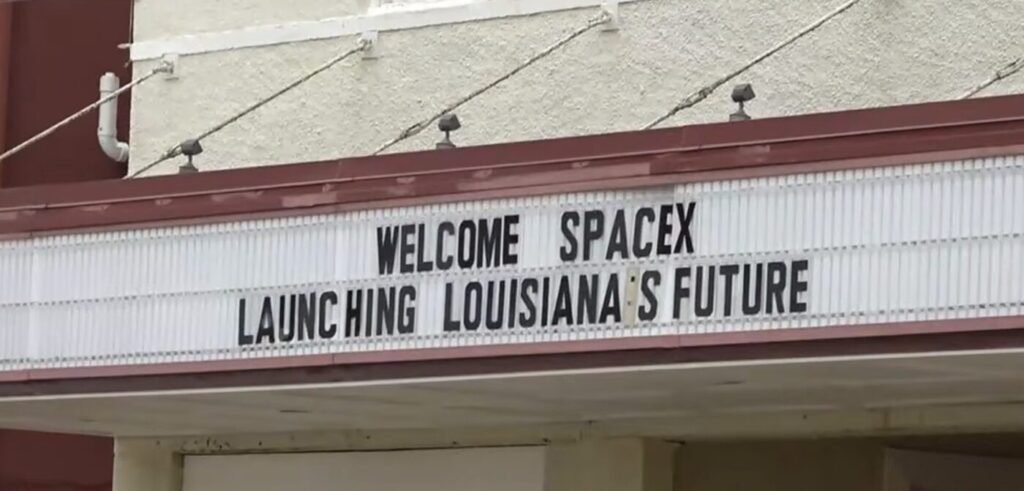
That could make it a model for the next generation of Sun Belt development: enormous private campuses built with their own energy, transportation, housing and public agreements, often in rural areas seeking new employment.
The central question is not simply whether Louisiana can attract $100 billion in investment. It is what happens when one corporation becomes the principal employer, infrastructure provider and physical planner for a place where thousands of people may eventually live.
Starbase Louisiana promises jobs, technology and a new economic identity for the coast. It may also become one of America’s largest experiments in how much of a community a private company should be allowed to build around itself.
If you’ve been following growth and change around here, these stories are worth a look too.
About the Desk

Across the Sun Belt
South Texas Businesses Struggle to Find Workers as Immigration Arrests Surge

Waymo’s Texas Robotaxi Fleet Grew 49% in Three Weeks
How 4.5 Million Border Migrants Reshaped the Sun Belt’s Population Map
The Sun Belt’s Battery Belt Is Losing Jobs as EV Factory Plans Shrink and Shift
Phoenix Can Survive the Colorado River Cuts. The Water Fix Won’t Be Cheap

Sprouts Is Following Sun Belt Growth Into the Next Ring of Suburbs
Community Voice
A snapshot of reader views, not a scientific survey.
Explore Community Voice →