North Atlanta’s Vanishing Farmland Has a New Line of Defense
North Atlanta’s farmland is shrinking as development spreads, but a new Georgia program offers farmers a way to conserve their land. The Farmland Conservation Fund buys development rights to keep farms productive and protected from growth pressures in counties like Forsyth and Gwinnett.
Major local stories and useful updates, once a week.
 Exclusive sponsor
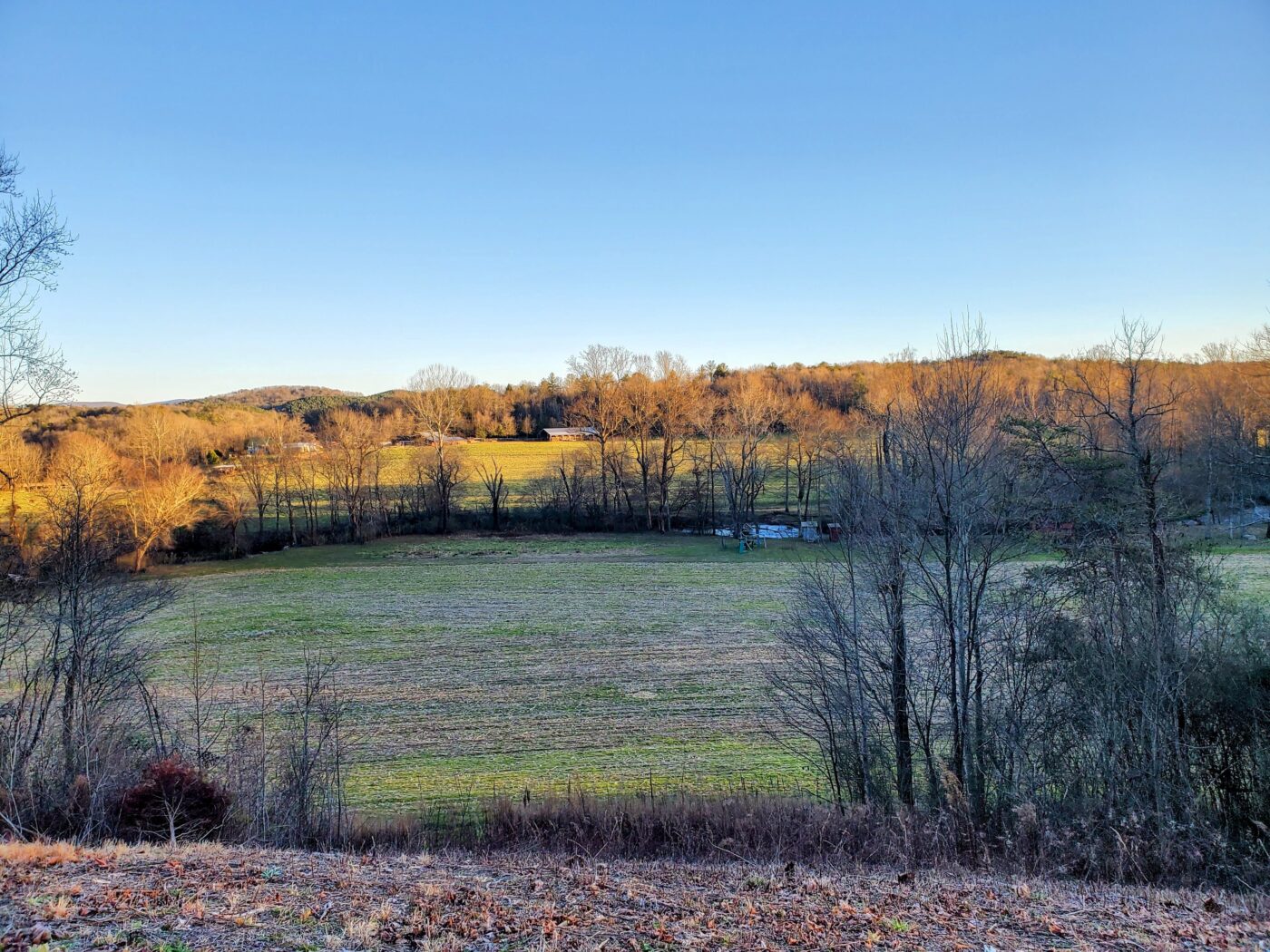
The open fields that once marked the edges of North Atlanta’s suburbs are becoming harder to find. As communities expand farther into former agricultural land, the region is losing farms that have supported local families for generations.
The change is already visible in federal agricultural records. The U.S. Department of Agriculture counted 15,700 acres of farmland in Forsyth County in 2022, a 13% decline from five years earlier. Gwinnett County’s remaining farmland fell by 49% during the same period, leaving 5,392 acres. Fulton County had 9,150 acres in farms, a countywide decline of 25%.
Georgia has now launched its first statewide program designed to give farmers an alternative to selling their property for development. The Georgia Farmland Conservation Fund will help purchase permanent development rights from participating landowners, allowing the property to remain in agricultural use even as surrounding land values rise.
The first application period closed May 20. Farmers and conservation organizations selected for the inaugural round are expected to be notified in August.
Agriculture Has Not Disappeared From the Suburbs
North Atlanta’s remaining farms are sometimes treated as picturesque remnants of an earlier era. The economic figures tell a different story.
Forsyth County had 262 farms in 2022, producing more than $40 million in agricultural sales. Poultry and eggs accounted for much of that business, but the county also supported cattle, nurseries, hay production, Christmas tree farms and small fruit and vegetable operations. The USDA classified 95% of Forsyth farms as family farms.
Gwinnett’s agricultural footprint is smaller, but its 117 farms generated nearly $10 million in sales. Nursery, greenhouse, floriculture and sod operations accounted for most of the county’s agricultural revenue, linking local farmland directly to the landscaping and construction industries that have grown alongside the suburbs.
The pressure on those properties is considerable. A farm near Cumming, Suwanee, Sugar Hill or North Fulton may be worth far more as future housing or commercial land than its agricultural income alone would justify. Even owners who want to continue farming may face property costs, unstable commodity prices, succession questions and increasingly attractive offers from developers.
State agriculture officials estimate Georgia could lose close to 800,000 additional acres of farmland by 2040. That would represent roughly one-tenth of the state’s current agricultural land.
How the Conservation Fund Works
The new fund does not require a farmer to surrender ownership of the property. Instead, the landowner agrees to place a permanent conservation easement on the land.
The easement removes most future development rights while allowing farming, livestock grazing, timber management and other approved agricultural activities to continue. The owner may pass the farm to children or sell it to another buyer, but the development restrictions remain attached to the property.
In return, the farmer receives payment for the development rights being surrendered. The value is generally determined through an appraisal comparing the property’s unrestricted market value with its value after the easement is established.
Under the program, the state can pay up to half the cost of a conservation easement, with the balance supplied by federal agencies, local governments, nonprofit land trusts or other partners.
Farmers do not apply by themselves. They must work with a qualified easement holder, such as a government agency, municipality or nonprofit land trust. That organization submits the application and assumes responsibility for holding and enforcing the easement.
There is no minimum acreage requirement, potentially opening the program to smaller farms and specialty operations as well as large agricultural tracts.
A Permanent Decision in a Fast-Moving Market
The Georgia General Assembly created the program in 2023, but lawmakers initially provided only $2 million for the first funding round. That is a relatively small amount in a state with nearly 10 million acres of farmland, particularly in metro Atlanta counties where development values can rise quickly.
The money can stretch further when paired with federal, local or private matching funds. Still, the first round will test whether Georgia can assemble easement agreements quickly enough to compete with the financial appeal of an outright land sale.
It will also test whether farmers in rapidly developing counties can benefit from the program. Agricultural land near metropolitan areas may be among the most threatened, but it can also be among the most expensive to protect.
Russ Moon, a fourth-generation farmer in Madison County outside Athens, has watched neighboring farms sell as development moves outward. Moon grows corn, soybeans and strawberries and raises cattle. Some of his family’s property has already been placed under a conservation easement.
“Once you develop a piece of property, it’s never gonna go back,” Moon told WABE and Grist.
That permanence is especially relevant in North Atlanta. New subdivisions can supply needed homes, while industrial and commercial projects create jobs and tax revenue. But every conversion also narrows the region’s choices. A developed tract is unlikely to return to pasture, orchards, nursery production or food crops.
Forsyth County’s development code recognizes agricultural land as a natural resource and calls for protecting viable farming areas from premature residential, commercial and industrial encroachment. The county also offers agricultural and conservation-use property tax programs. Those measures can reduce immediate financial pressure, but they do not permanently prevent development.
The new state fund goes further by purchasing that protection. For participating families, it can turn the desire to preserve a farm into a legally enforceable plan rather than a promise left to the next generation.
Whether $2 million is enough to make a visible difference remains uncertain. Georgia has at least created a mechanism that did not previously exist, arriving at a time when North Atlanta’s growth is making the decision between farming and development increasingly difficult to postpone.
Reporting credit: This story includes reporting by Emily Jones of WABE and Grist, including interviews with farmer Russ Moon and Georgia Conservancy President Katherine Moore.
If this felt close to home, these stories may be worth your time too.
About the Author

In North Atlanta

More North Atlanta Residents Are Working, Yet Unemployment Rose

Gwinnett’s New Blight Tax Could Make Neglected Properties Much More Expensive to Hold

What North Atlanta Should Know Today

Orchid Grove Receives Fresh Demolition Permits Near Duluth

How Forsyth County Spent Tax Dollars in 2025

14 job openings to explore across North Atlanta
Community Voice
A snapshot of reader views, not a scientific survey.
Explore Community Voice →IN NORTH ATLANTA
Most popular