Waymo’s Texas Robotaxi Fleet Grew 49% in Three Weeks
Waymo sharply increased its Texas robotaxi fleet to over 1,100 vehicles, expanding service in Austin, Dallas, Houston, and San Antonio. This growth highlights the company’s move toward broader autonomous ride-hailing operations in major Texas cities.
Get the week’s jobs, development, housing and growth stories from across the Sun Belt in one email.
Read this article in Spanish · Leer en español
Waymo is putting hundreds of new robotaxis onto Texas registration rolls in a matter of weeks, offering one of the clearest signs yet that fully autonomous ride-hailing is moving from a closely watched experiment toward a transportation business operating at serious scale.
The Alphabet-owned company had 1,102 autonomous vehicles registered in Texas as of Sept. 24, up 49% in just three weeks, based on state vehicle registrations analyzed by TechCrunch.
Waymo’s Texas fleet had remained relatively stable through much of the summer, rising from about 600 vehicles in June to more than 700 by the end of August. September brought the sudden jump.
The expansion is spreading across four of the state’s largest cities: Austin, Dallas, Houston and San Antonio.
Texas is becoming one of Waymo’s biggest markets
Texas now accounts for more than a quarter of Waymo’s roughly 4,000-vehicle national fleet. About 80% of those vehicles are concentrated in Texas and California, even as the company’s service map stretches much farther across the country.
Waymo currently lists service in 15 U.S. markets, including a growing collection of Sun Belt cities such as Phoenix, Atlanta, Miami, Nashville, Orlando and Tampa in addition to its Texas operations. Waymo’s current service map shows how quickly the company has expanded beyond its early California and Arizona markets.
Austin operates differently from the other Texas markets. Riders there request Waymo vehicles through Uber under a partnership between the two companies. Dallas and Houston riders can use the Waymo app directly, while San Antonio is still gradually opening service to additional riders.
That means 1,102 registered vehicles should not be read as 1,102 robotaxis carrying passengers at the same moment. Some can be undergoing preparation, maintenance or other fleet work. But the registration surge shows how much hardware Waymo is positioning in Texas.
A new kind of Waymo is arriving
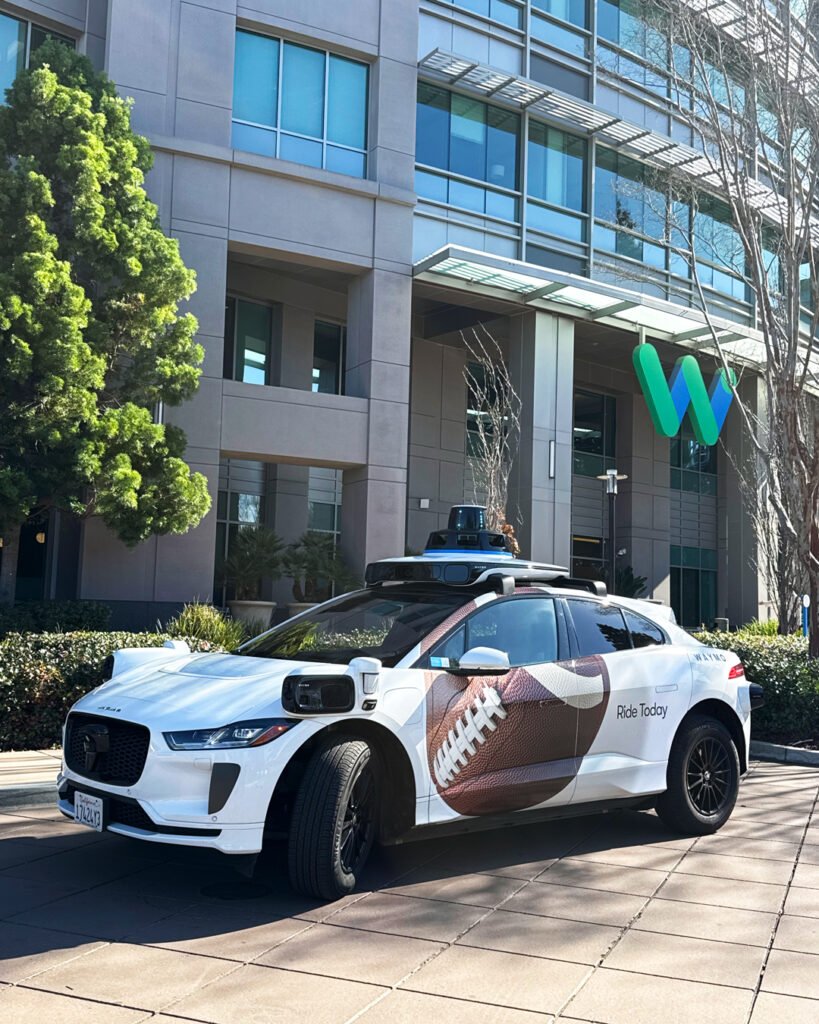
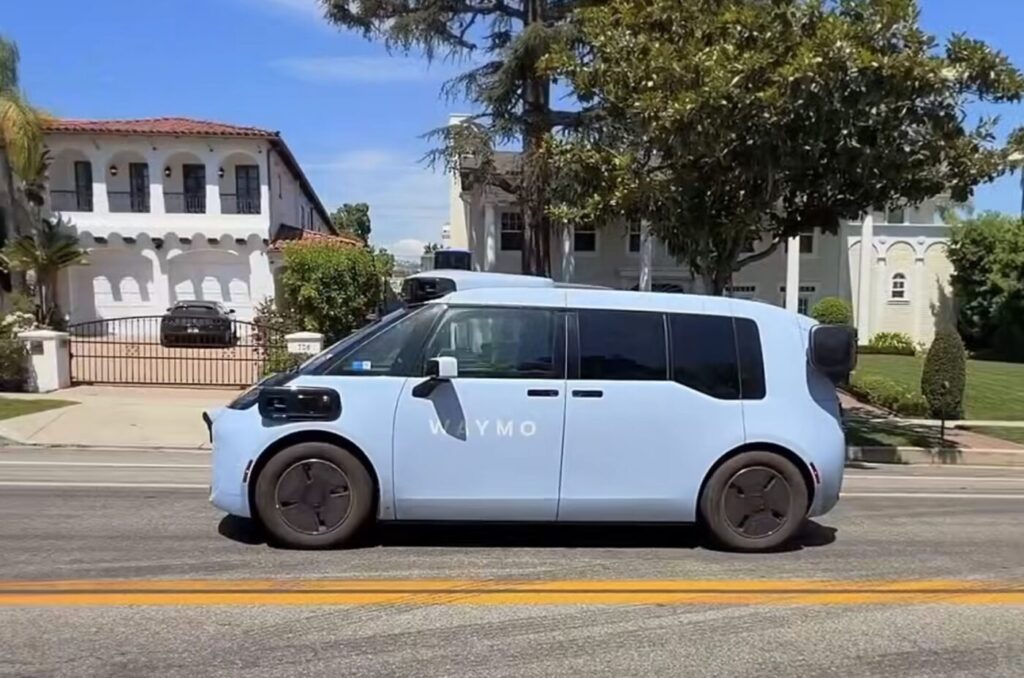
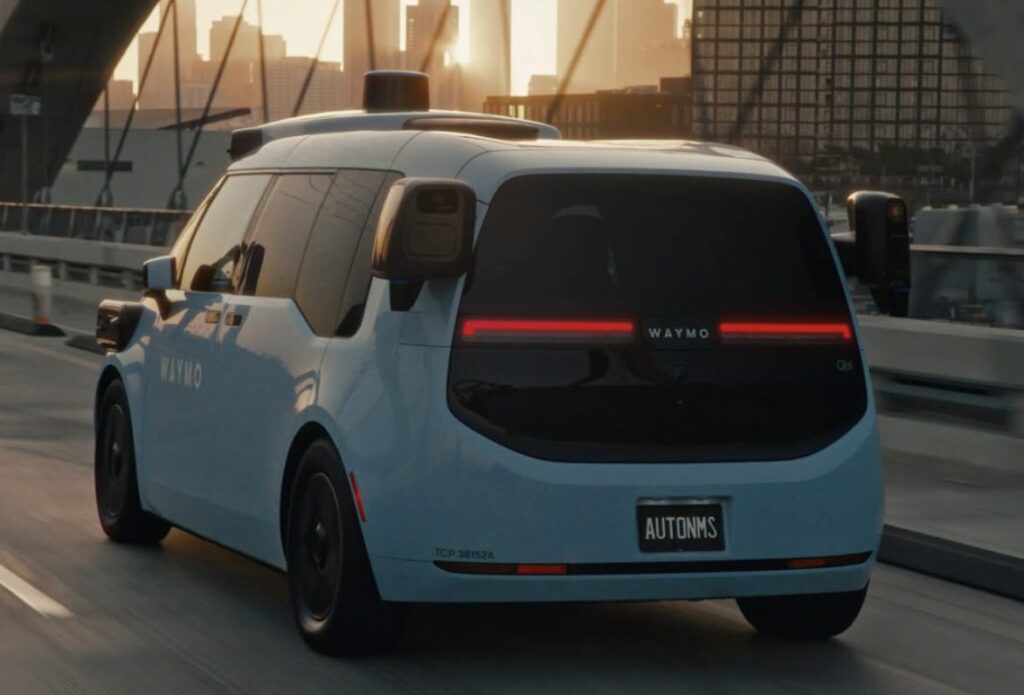
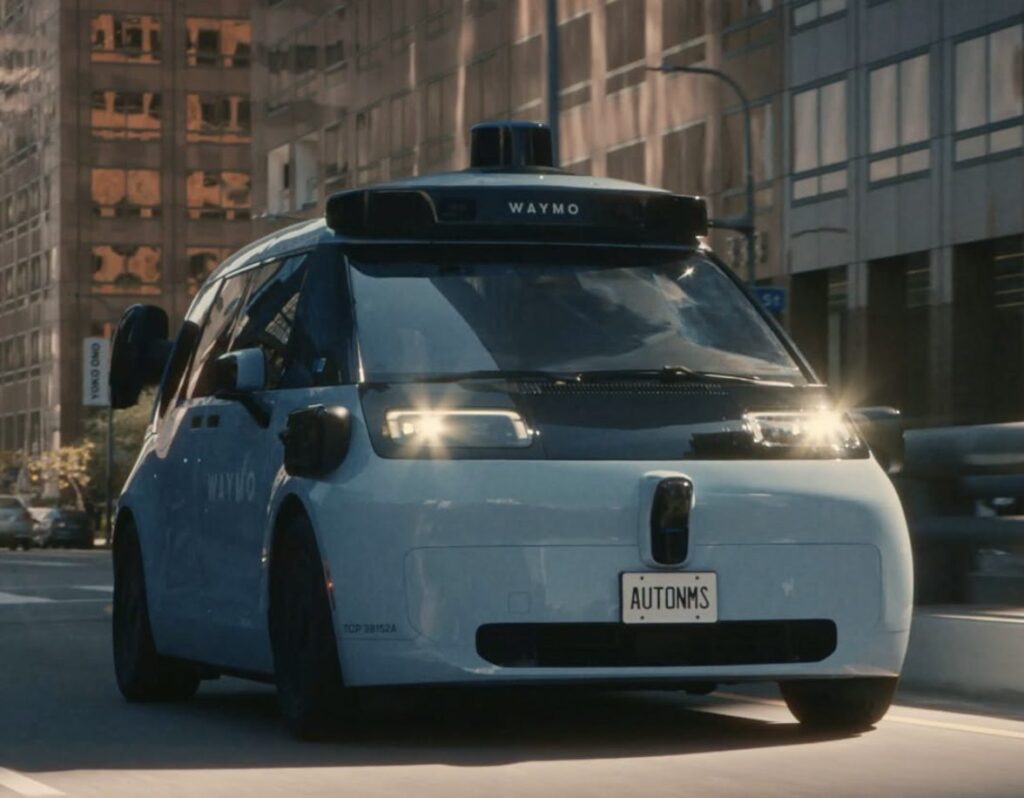
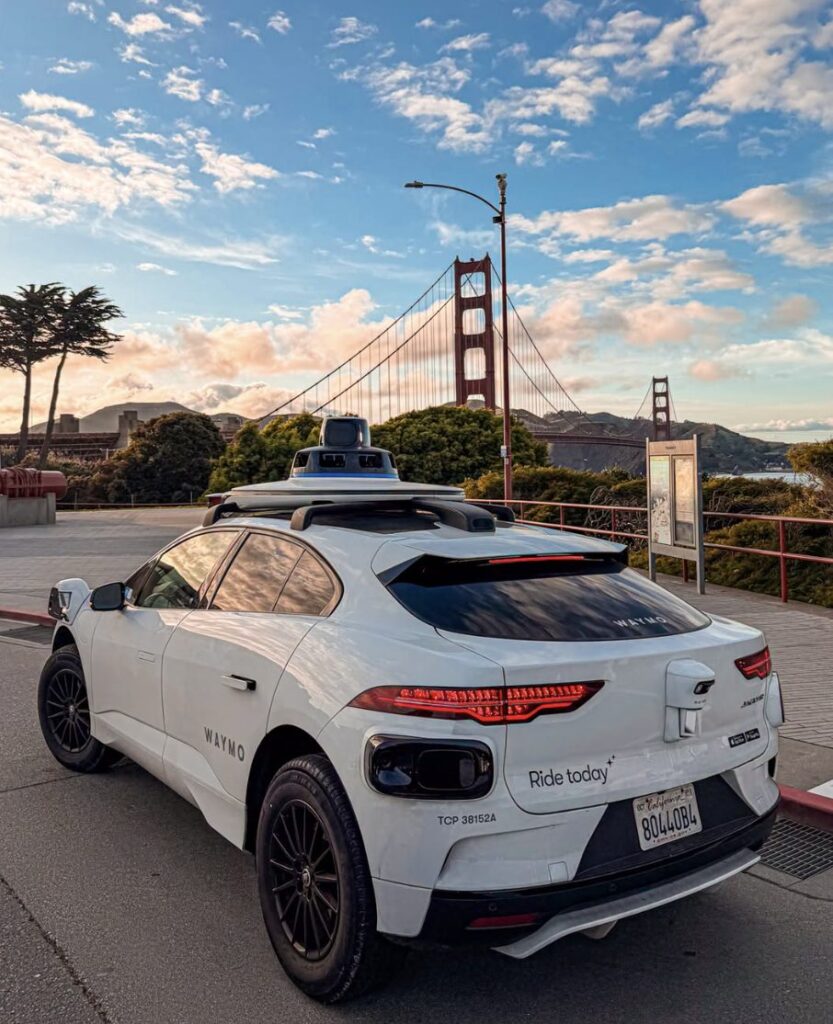
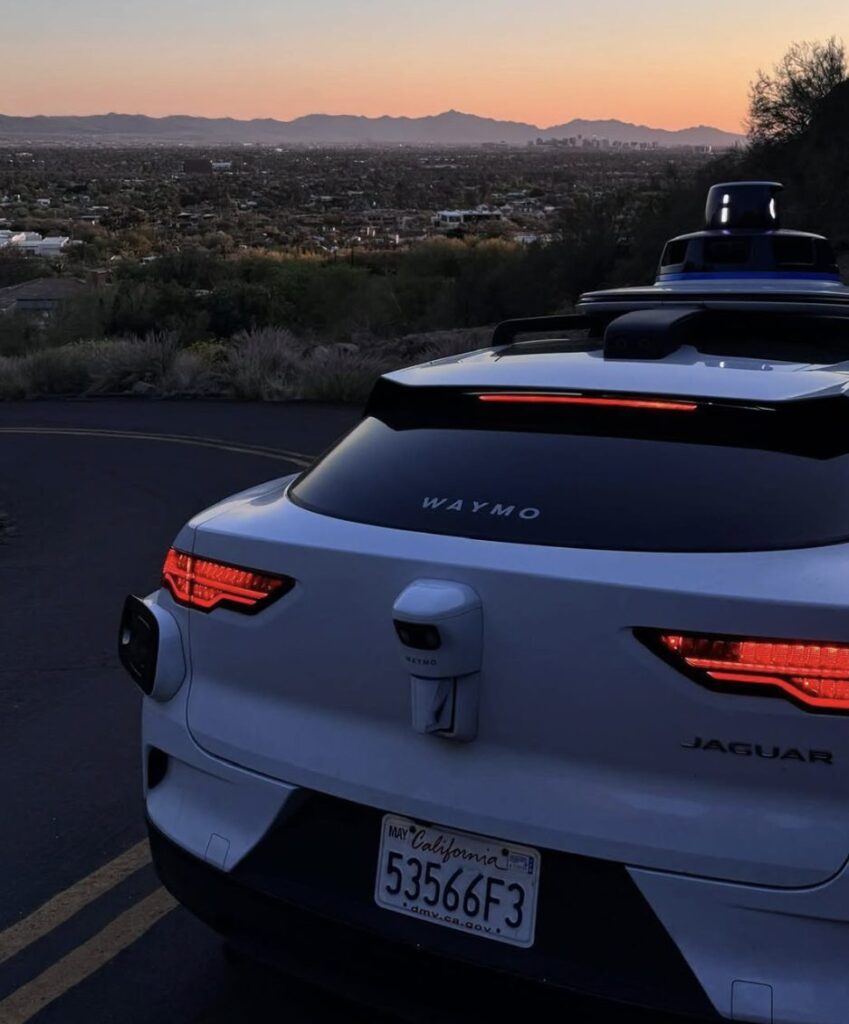
Much of the September growth comes from a vehicle that looks very different from the white Jaguar I-Pace SUVs that have become familiar in Waymo cities.
The company calls it Ojai.
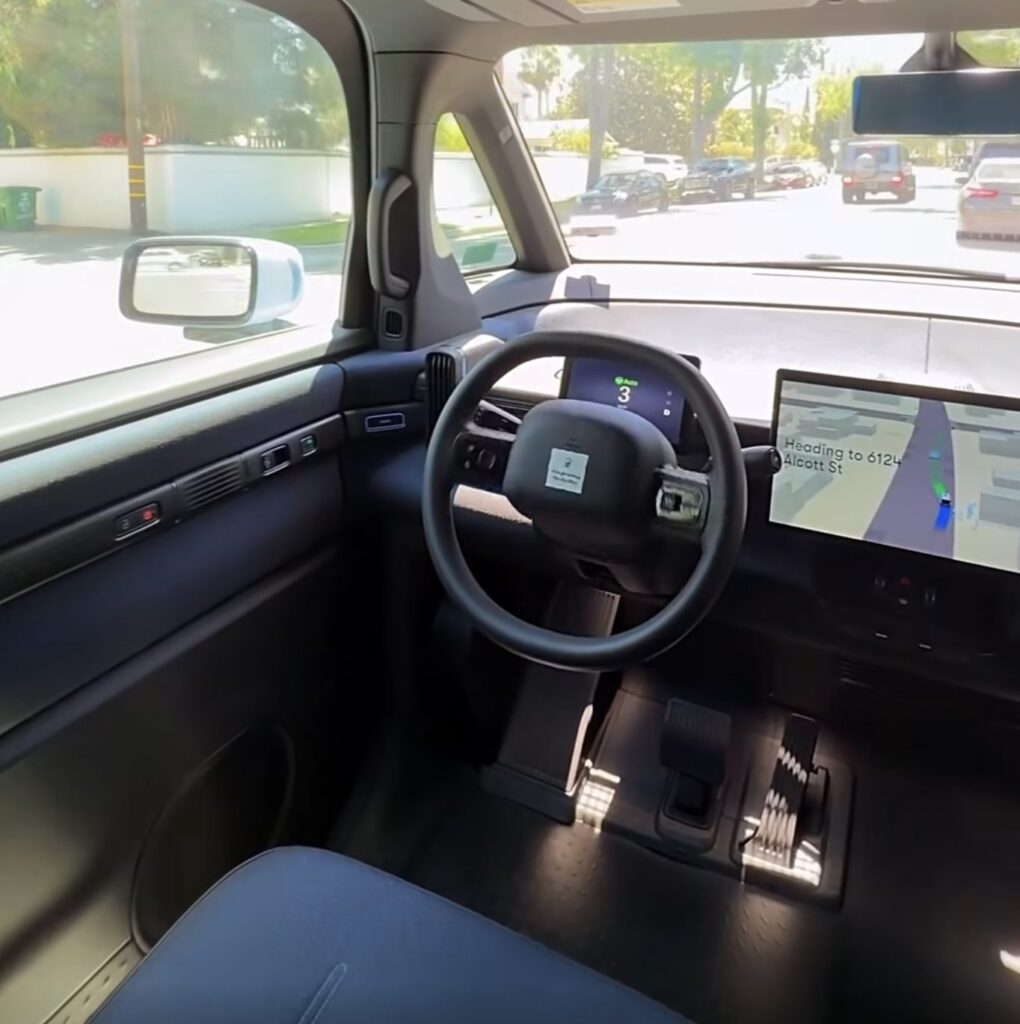
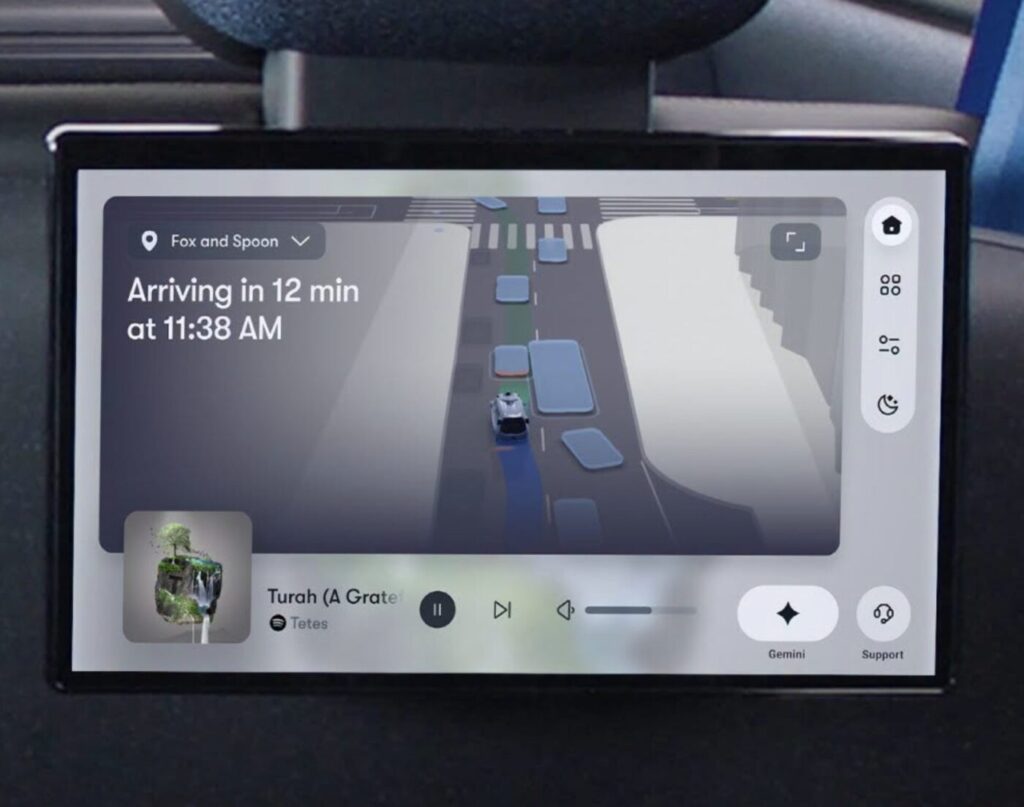
Built on the Zeekr RT minivan platform, Ojai was designed specifically for autonomous ride-hailing and carries Waymo’s sixth-generation self-driving system. The vehicle has sliding doors, a flat floor, large passenger screens and accessibility features including braille and screen-reader compatibility.
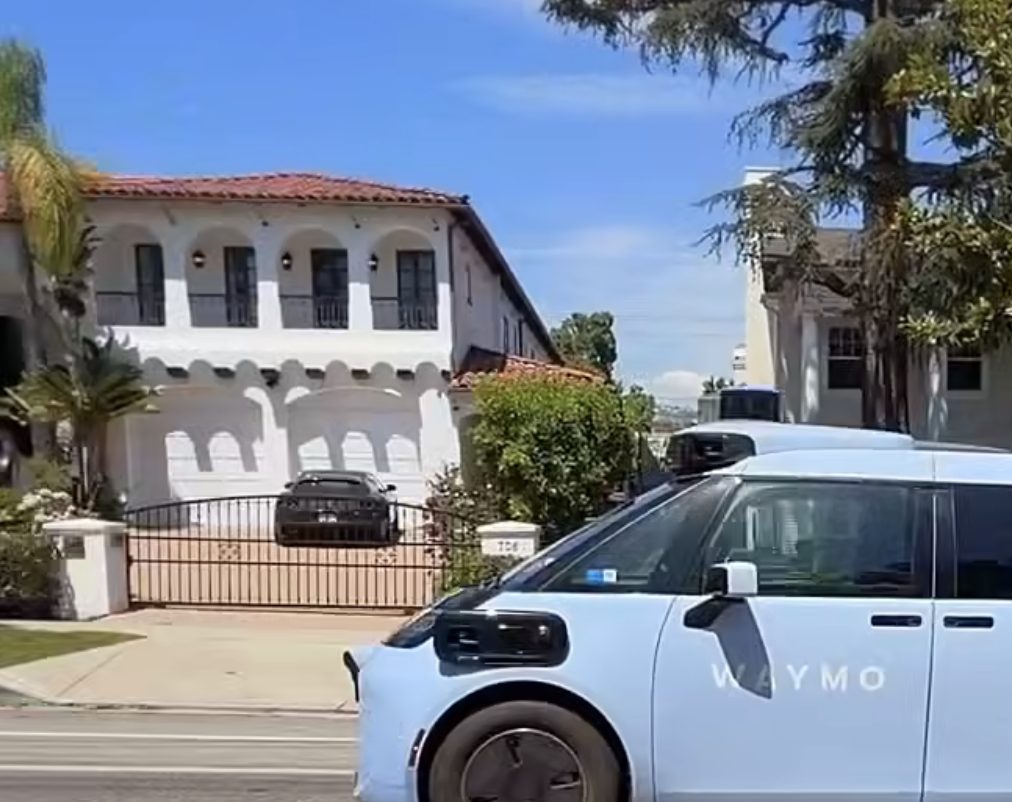
Waymo began introducing Ojai to public riders this year and says the new generation is designed to help it operate in a wider range of weather and road conditions. Waymo’s introduction of Ojai also describes a production system intended to support tens of thousands of vehicles annually at its facility in Mesa, Arizona.
Ojai vehicles already make up roughly one-third of Waymo’s Texas registrations.
That change matters because robotaxi companies ultimately need more than software that can drive safely. They need vehicles that can be produced, cleaned, charged, maintained and returned to service cheaply enough to support thousands of rides every day.
The robotaxi business is getting much larger
Waymo now provides more than 500,000 autonomous trips each week.
That is a sharp increase from the 50,000 weekly paid rides the company reported in May 2024. By early 2026, the figure had risen tenfold, while Waymo expanded into a growing list of cities outside its original Phoenix, San Francisco and Los Angeles markets.
Texas offers something especially valuable for the next phase: several enormous metropolitan areas in one state, each with sprawling road networks and heavy dependence on cars.
Dallas-Fort Worth and Houston are among the country’s largest metropolitan areas. Austin has become a major technology center, while San Antonio gives Waymo another large market less than two hours from Austin.
Operating across all four gives the company a chance to test whether autonomous ride-hailing can work across very different urban environments without crossing state regulatory systems each time it expands.
The bigger test is what happens when robotaxis stop being unusual
A fleet of more than 1,100 registered vehicles is still tiny compared with the millions of privately owned vehicles on Texas roads.
But robotaxis do not have to replace private cars to change transportation.
They compete more directly with Uber and Lyft drivers, taxis, rental cars and some transit trips. At sufficient scale, they could also change how households think about owning a second vehicle, how airports manage pickup traffic and how cities design curb space.
Waymo has been trying to position autonomous rides as complementary to public transportation rather than a replacement for it. The company recently began offering transit-related incentives in the San Francisco Bay Area, while its own rider research has found that some customers use Waymo to connect with rail and bus systems.
Whether that pattern holds in car-dependent Texas cities remains an open question.
Safety will remain part of the argument
Rapid fleet growth also means more scrutiny.
Waymo says its latest safety analysis covers more than 220 million fully autonomous miles through March 2026. Compared with human drivers traveling comparable roads, the company reported 94% fewer crashes causing serious or fatal injuries and 82% fewer crashes involving any reported injury. Those figures come from Waymo’s own safety analysis and depend on its methodology and comparison benchmarks.
Scaling from hundreds of vehicles to thousands will provide a much larger real-world test.
The challenge is no longer simply proving that a driverless vehicle can navigate a city. It is proving that large fleets can operate reliably amid construction, emergency vehicles, severe weather, unusual road behavior and the countless unpredictable situations that occur when thousands of trips are made every day.
Texas is becoming the test
The striking part of Waymo’s latest expansion is not another city appearing on a map.
It is the speed at which the fleet behind those city launches is growing.
Texas went from roughly 600 registered Waymo vehicles in June to 1,102 by Sept. 24, with much of that increase arriving within a few September weeks.
If that pace continues, Texans may soon encounter driverless vehicles not as an occasional curiosity but as an ordinary part of traffic in several major cities.
That is when the larger experiment begins: not whether a robotaxi can drive through Texas, but what happens when there are thousands of them.
About the Author

 Test Preparation Built Around the Student
Explore personalized SAT, ACT and PSAT tutoring based on each student’s goals, schedule and areas for improvement.
Explore Private Tutoring
Test Preparation Built Around the Student
Explore personalized SAT, ACT and PSAT tutoring based on each student’s goals, schedule and areas for improvement.
Explore Private Tutoring
Across the Sun Belt
The Sun Belt’s Battery Belt Is Losing Jobs as EV Factory Plans Shrink and Shift
How 4.5 Million Border Migrants Reshaped the Sun Belt’s Population Map

Phoenix Can Survive the Colorado River Cuts. The Water Fix Won’t Be Cheap

Sprouts Is Following Sun Belt Growth Into the Next Ring of Suburbs

The Next Sun Belt Highway May Carry Power, Water and Data Alongside Cars