 Exclusive sponsor
Sun Belt States Are Adding Jobs, but Finding One Is Getting Harder
Several Sun Belt states have added jobs over the past year, yet hiring rates have declined. Employers keep current workers but hire less often, making job searches tougher and reducing career mobility for many.

Get the week’s jobs, development, housing and growth stories from across the Sun Belt in one email.
Texas added 159,400 jobs over the past year. North Carolina gained 65,600. South Carolina, Louisiana and New Mexico were among the nation’s fastest-growing states for employment.
Yet for people looking for work, the job market across much of the Sun Belt has become more difficult.
Employers are keeping workers but hiring fewer new ones, creating an unusual divide between those who already have jobs and those trying to find them.
In Georgia, the average monthly hiring rate fell from 5.5% in 2022 to 3.2% in 2025. Texas dropped from 4.6% to 3.3%, while North Carolina declined from 4.9% to 3.4%.
Florida and Arizona experienced similar slowdowns, based on state hiring figures from the Bureau of Labor Statistics.
The figures measure workers entering jobs, including replacements for departing employees, rather than newly created positions alone.
More Jobs, Fewer Chances to Get Hired
The slowdown comes despite continued employment growth.
Texas had approximately 14.47 million payroll jobs in August 2026, up 159,400 from a year earlier. North Carolina added 65,600 jobs, while South Carolina gained 38,600.
Louisiana, South Carolina and New Mexico each recorded annual employment growth of 1.6%, among the highest rates nationally.
But those gains do not necessarily translate into faster hiring.
Nationally, employers added just 29,000 jobs in September, while nearly 1.9 million Americans had been unemployed for at least 27 weeks.
At the same time, layoffs remained unusually low. Initial unemployment claims fell to 197,000 during the week ending Oct. 3, staying below 200,000 for a fourth consecutive week.
The combination suggests that many businesses are reluctant to dismiss employees but equally cautious about bringing in new workers.
What It Means for Sun Belt Workers
For someone already employed, the slower pace of hiring may provide a degree of stability.
For recent graduates, unemployed workers or people seeking better-paying jobs, fewer hiring decisions can mean longer searches and greater competition.
The slowdown also affects career mobility. Workers who might once have changed employers for higher wages or more flexibility may now be less willing to take that risk.
Health care, construction and manufacturing continue to create opportunities, but job growth varies by occupation and location.
The Sun Belt remains one of the country’s important centers of employment growth. Its newest labor figures, however, point to a changing reality: a state can keep adding jobs without making it easier for individual workers to find one.
Community Voice
A snapshot of reader views, not a scientific survey.
Explore Community Voice →About the Author

Across the Sun Belt

Rebuild Manufacturing Plans 150 New Jobs in Rock Hill, With Factory Opening Expected in November
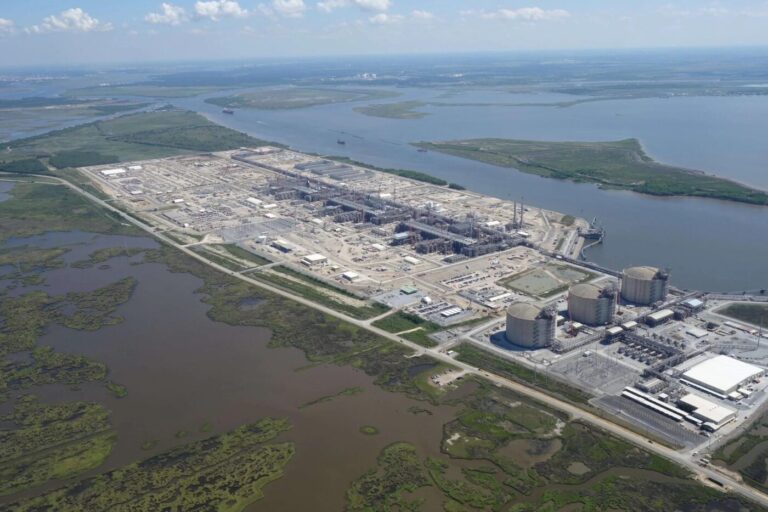
Louisiana’s $1.6 Billion Energy Hub Will Create 23 Direct Jobs. What Does the State Get in Return?

A $5.8 Billion Steel Mill Is Coming to Louisiana. The Average Job Is Expected to Pay $95,000
Food Lion Sets Fall Opening Dates Across the Carolinas and Georgia, Signals More Growth in 2027

Tesla’s $10.1 Billion Solar Factory Plan Could Bring Nearly 10,000 Jobs to Texas